Which Fruits Are High in Probiotics? Top 15 Probiotic Fruits Listed


Good gut health starts with what you eat. And while most people think of yogurt or fermented foods when they hear “probiotics,” nature has packed plenty of gut-loving goodness into everyday fruits too!
Whether you’re looking to ease bloating, support digestion, or simply build a healthier daily routine, knowing which fruits are high in probiotics (and their gut-friendly cousins, prebiotics) is a great place to start. Let’s dig in!
What Are Probiotics, and Why Do They Matter?
Probiotics are live microorganisms, often called “good bacteria,” that help maintain the balance of your gut microbiome. Think of your gut as a thriving little ecosystem. Probiotics are the helpful residents keeping everything running smoothly.
A healthy gut microbiome supports:
- Better digestion: breaking down food efficiently and reducing bloating or gas
- Stronger immunity: since a large portion of your immune system lives in the gut
- Improved nutrient absorption: helping your body get the most out of every meal
- Mental well-being: thanks to the gut-brain axis, a balanced gut can positively influence mood
When good bacteria are depleted (due to stress, poor diet, or antibiotics), digestive discomfort, weakened immunity, and fatigue can follow. That’s why nourishing your gut every day matters, and fruits make it deliciously easy!
Fun fact: Lactobacillus is one of the most common probiotic strains and is found naturally in fermented foods. Many fruits, on the other hand, work by feeding these good bacteria through prebiotic fibre, making them a powerful, plant-based gut ally.
Do Fruits Contain Probiotics? Here’s What to Know
Here’s a question we get a lot: do fruits actually have probiotics?
The honest answer: most fresh fruits don’t contain live probiotic cultures the way fermented foods do. However, many fruits are rich in prebiotic fibre, the food that probiotics need to survive and thrive in your gut. So while a banana won’t give you the same concentrated bacterial count as kefir, it absolutely supports your existing probiotic colonies and keeps your gut microbiome in balance.
A few fruits (like those used in fermented preparations) can directly contribute live cultures too. Bottom line: fruit plays a meaningful, science-backed role in your gut health journey!
Top 15 Fruits High in Probiotics (and Prebiotic Support)
Ready to go fruit-first for gut health? Here are the best ones to load up on:
1. Bananas
Bananas, especially slightly green ones, are among the best fruits for gut health. They’re rich in resistant starch, a type of prebiotic fibre that feeds beneficial bacteria in your colon and helps them flourish.
About 100 grams of banana contains approximately 2.6 grams of prebiotic fibre. Plus, bananas help reduce bloating and enhance the growth of good bacteria like Bifidobacterium. A great on-the-go snack that’s as good for your gut as it is convenient!
Best way to enjoy: As a smoothie base, sliced over oats, or as a pre-workout snack.
2. Apples
“An apple a day keeps the doctor away” has never felt more true. Apples are loaded with pectin, a soluble fibre that acts as a powerful prebiotic, feeding the beneficial bacteria in your gut and helping them grow.
For maximum benefit, eat apples with their skin on. The skin is packed with polyphenols and fibre, both of which support a diverse gut microbiome.
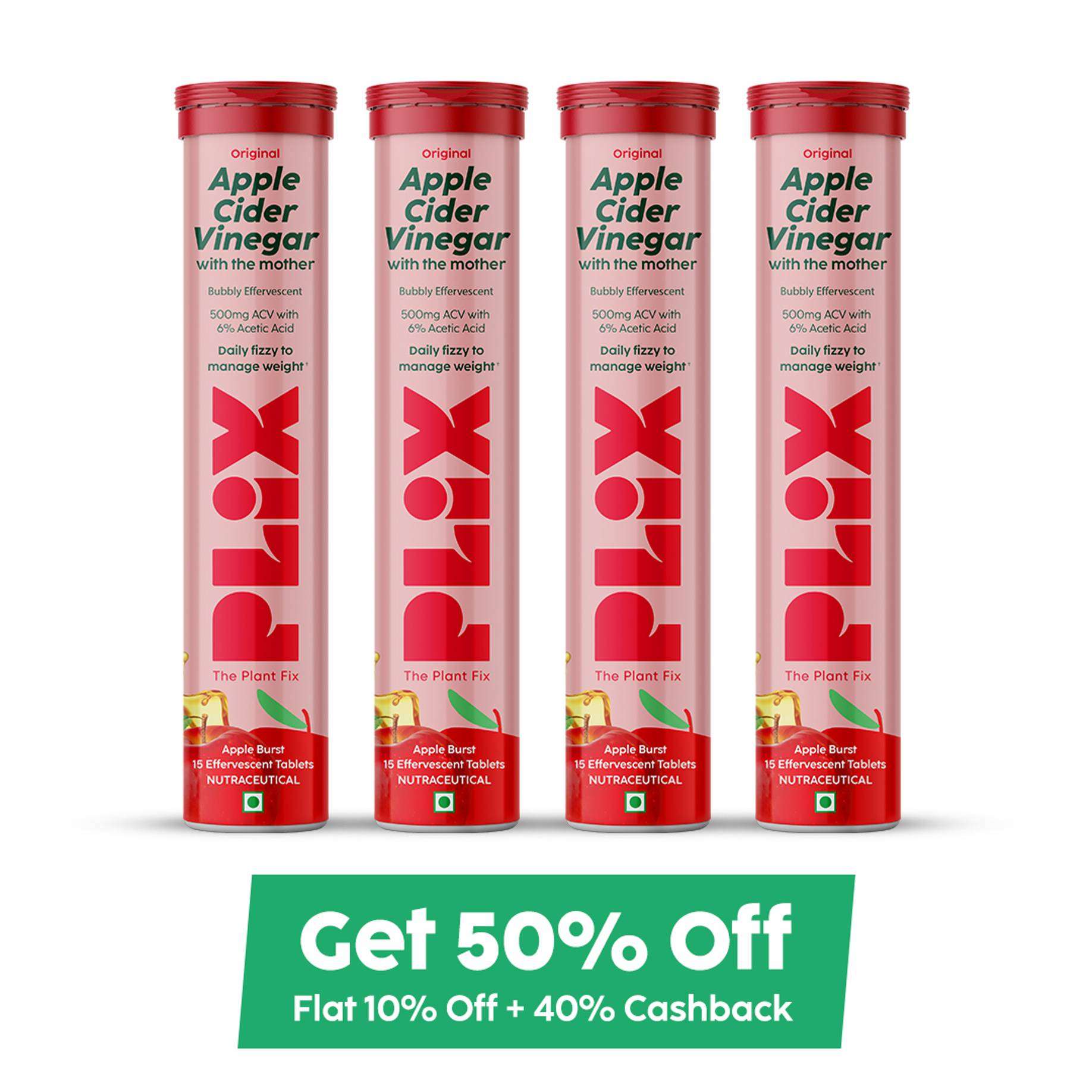
Pro tip: Try our Apple Cider Vinegar Effervescent for a concentrated dose of Himalayan apple goodness, with the mother intact for probiotic support!
3. Watermelon
Sweet, hydrating, and surprisingly gut-friendly, watermelon contains soluble fibre that acts as a prebiotic, nourishing the good bacteria in your stomach. Its high water content also keeps your digestive system well-hydrated and moving smoothly.
Great during summers when you want something refreshing that still supports your wellness goals.
4. Custard Apple (Sitaphal)
This creamy, naturally sweet fruit is a wonderful source of dietary fibre, which brings impressive prebiotic properties. Custard apple helps maintain the balance of beneficial bacteria while supporting heart and brain health. It’s also known to contribute to healthy cholesterol levels.
5. Grapefruit
A breakfast hero! Grapefruit is high in vitamins A and C and contains excellent amounts of prebiotic fibre. It supports immune health while helping beneficial bacteria thrive in the gut. The natural compounds in grapefruit also aid in digestion and may help support healthy weight management.
6. Berries (Blueberries, Strawberries, Raspberries)
Berries are tiny powerhouses of prebiotic fibre and polyphenols, or plant compounds that act as food for good gut bacteria. Blueberries, strawberries, and raspberries also carry impressive anti-inflammatory properties that help protect the gut lining.
Add them to yogurt, oatmeal, or blend them into a morning smoothie for a delicious gut boost.
7. Kiwi
Kiwi is a standout gut-friendly fruit, containing a unique enzyme called actinidin that enhances digestion and improves the breakdown of proteins. Its high fibre content also functions as a prebiotic, nourishing beneficial bacteria in your digestive system.
Kiwi may help ease constipation and support gut transit time, making it a great addition to your daily fruit routine!
8. Papaya
Papaya contains papain, a natural digestive enzyme that helps your body break down proteins more efficiently. Along with its natural fibre, papaya creates a gut environment where probiotics can thrive, making it excellent for easing bloating and supporting smooth digestion.
Best way to enjoy: As a morning fruit bowl, or blended into a tropical smoothie.
9. Pomegranate
Pomegranate seeds (arils) are packed with polyphenols, or plant compounds that serve as nourishment for beneficial gut bacteria. These compounds have both anti-inflammatory and antioxidant properties, making pomegranate one of the best fruits for supporting overall gut and skin health simultaneously.
Sprinkle the seeds over salads, blend them into juices, or enjoy them as a snack.
10. Mango
India’s favourite fruit is also a quiet gut champion! Mangoes contain pectin and dietary fibre that feed friendly gut bacteria. They’re also rich in vitamins A and C, supporting both immunity and skin health alongside gut wellness.
11. Guava
Guava is extraordinarily high in dietary fibre, even more than many other tropical fruits, making it an excellent prebiotic food. It supports gut motility, promotes the growth of beneficial bacteria, and helps maintain healthy blood sugar levels.
Did you know? We love guava so much, we’ve powered up our Skin Care with it too! Try the Plix Guava Glow Dewy 10% Vitamin C Serum for visibly radiant, youthful skin.
12. Citrus Fruits (Oranges, Lemons, Limes)
Citrus fruits are well-known for their vitamin C content, which boosts immunity, and they’re also a solid source of prebiotic fibre. The natural acidity of citrus fruits aids digestion and helps probiotics flourish in the gut.
Squeeze a fresh lemon into warm water each morning for a simple, effective gut-health ritual!
13. Pineapple
Pineapple contains bromelain, a powerful digestive enzyme that breaks down proteins and supports gut health. Its natural fibre content acts as a prebiotic, fuelling the growth of beneficial bacteria. Pineapple also has anti-inflammatory properties that promote a healthy gut lining.
14. Avocado
Avocados are rich in pectin and soluble fibre, both of which are excellent sources of prebiotic support for gut bacteria. Research suggests that between 60–80% of the beneficial carbohydrates in avocados contribute to feeding a healthy microbiome. Their healthy fats also support the absorption of fat-soluble vitamins.
15. Almonds
While technically a nut, almonds deserve a special mention! They’re an excellent source of prebiotic fibre and have been shown to increase the diversity of beneficial gut bacteria. For those following a vegan lifestyle, almonds are also a valuable source of calcium and healthy fats. Add a small handful to your daily snack routine.
How to Get Enough Probiotics Naturally
Getting probiotics through food is easier than you think! Here’s how to weave gut-friendly habits into your day:
Eat probiotic-rich fermented foods alongside fruits: kefir, homemade curd (dahi), kimchi, sauerkraut, miso, and tempeh all contain live cultures.
Pair them with prebiotic fruits: The combination of probiotics (live bacteria) and prebiotics (fruit fibre that feeds them) is called a synbiotic effect, and it’s one of the most powerful things you can do for gut health.
Consider a convenient supplement: When your diet alone isn’t enough, or when you want a reliable daily dose, a high-quality probiotic supplement can make a real difference.
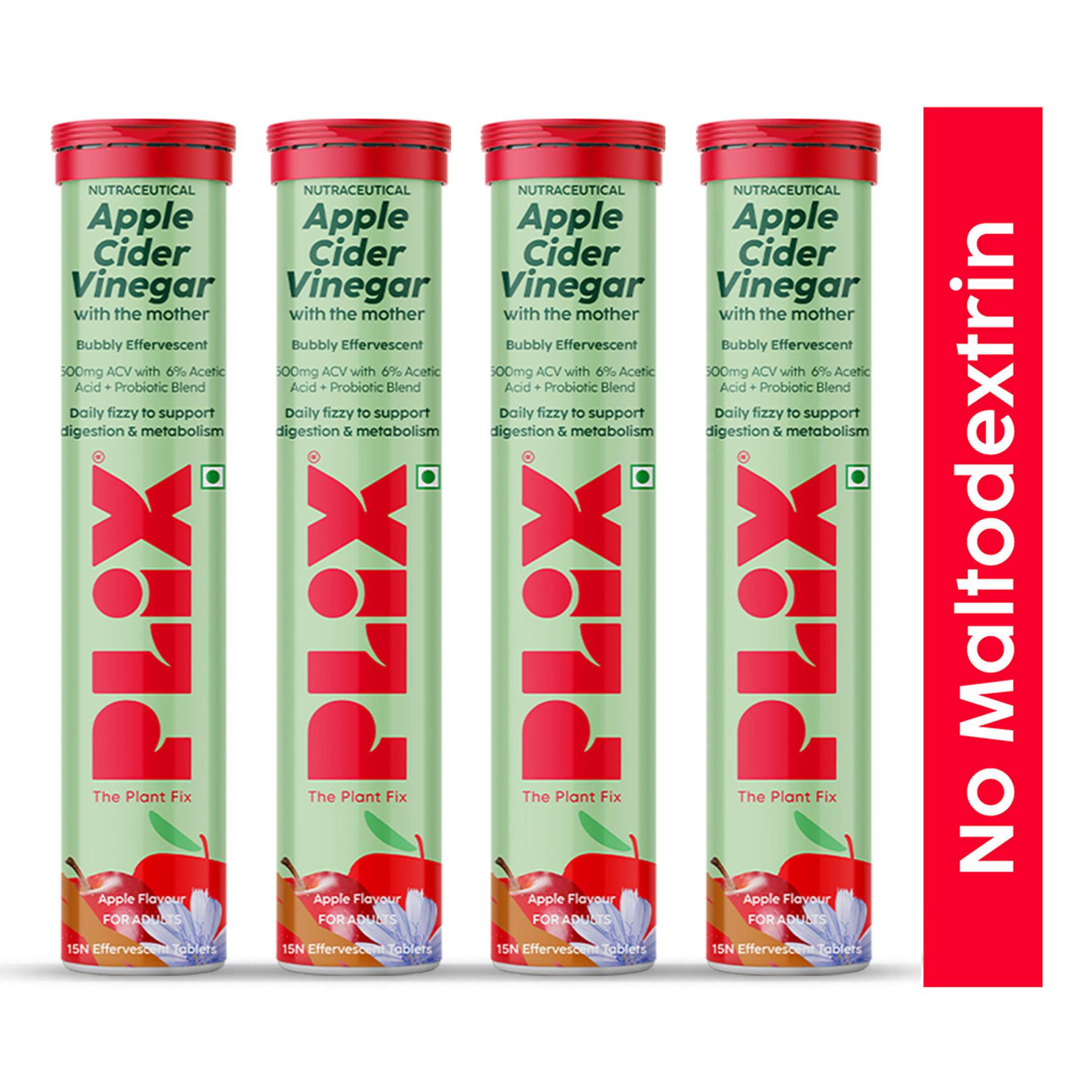
That’s where Plix Probiotic Apple Cider Vinegar Effervescent comes in!
Why Choose Plix Probiotic ACV Effervescent?
Homemade curd is great, but it’s not always vegan-friendly, and the probiotic count can vary. Plix’s Probiotic ACV Effervescent gives you the best of both worlds: the gut-supportive power of apple cider vinegar with the mother, plus a reliable daily dose of probiotics, all in a fizzy, delicious tablet.
Drop one tablet into a glass of water, watch it fizz, and drink up! Here’s what it helps support:
- Digestive health: promotes smoother digestion and reduces bloating
- Weight management: helps curb cravings and supports a feeling of fullness
- Metabolic wellness: supports healthy triglyceride levels and energy
- Body’s natural cleansing processes: supports the body’s natural ability to flush impurities
100% vegan, non-GMO, toxin-free, and Clean Label Project Certified. Just like everything we make at Plix!
👉 Shop Plix Probiotic ACV Effervescent
Probiotic Fruits vs. Fermented Foods: What’s the Difference?
| Probiotic Fruits | Fermented Foods | |
| Examples | Bananas, apples, berries, kiwi, pomegranate | Yogurt, kimchi, kefir, kombucha |
| Direct Probiotics | Limited (mainly prebiotic support) | High |
| Prebiotic Fibre | High | Moderate |
| Ease of Use | Convenient, portable, raw | May require refrigeration or prep |
| Nutritional Value | Rich in vitamins, minerals, antioxidants | Rich in probiotics and enzymes |
| Best For | Daily gut nourishment and variety | Direct probiotic replenishment |
The ideal approach? Enjoy both! Use probiotic fruits to consistently feed your gut bacteria, and pair them with fermented foods or a supplement like Plix ACV for a complete gut health routine.
What Are Homemade Probiotics?
Homemade probiotics are fermented foods you can make at home, most commonly dahi (curd) made by fermenting milk overnight. Curd is rich in Lactobacillus bacteria and is easy to incorporate into daily meals. However, it’s not vegan-friendly, and homemade quantities of probiotics can vary significantly.
Other homemade probiotic options include fermented vegetables like pickled carrots or pickled apples, great ways to get a direct dose of live cultures from plant-based sources!
The Plix Bottom Line
Your gut health journey doesn’t have to be complicated or tasteless. Nature has given us an incredible range of delicious fruits: bananas, kiwi, pomegranate, berries, apples, and more, that support and nourish your gut microbiome every single day.
Pair them with a reliable daily probiotic like Plix Probiotic Apple Cider Vinegar Effervescent, and you’ve got a simple, enjoyable, and science-backed gut routine going. No restrictive diets. No boring supplements.
Just clean, plant-based wellness that actually tastes good.
Take care, have fun! The Plix Team
Related Reads You’ll Love
- 8 Super Healthy Foods That Contain Prebiotics and Probiotics
- What are Probiotics? Pre and Probiotic capsules dosage, their uses, benefits
- Does ACV Help Constipation and Bloating? What You Should Know
- Apple Cider Vinegar (ACV): Benefits, Uses, Side Effects and How to Use It Safely
- Which type of drink is best for weight loss?
Frequently Asked Questions
Which fruit is high in probiotics?
Bananas, apples, kiwi, papaya, pomegranate, berries, watermelon, and guava are the top fruits for gut health. Most work by providing prebiotic fibre that feeds and sustains beneficial gut bacteria, rather than containing live cultures directly.
What food is highest in probiotics?
Kefir is widely considered the food highest in probiotics, containing over 50 strains of beneficial bacteria and yeast. Other high-probiotic foods include homemade curd (dahi), kimchi, sauerkraut, miso, tempeh, and kombucha. For a vegan option, Plix Probiotic ACV Effervescent delivers probiotics from apple cider vinegar with the mother.
What are the top 10 probiotic foods?
The top 10 probiotic-rich foods are: kefir, homemade curd (dahi), kimchi, sauerkraut, kombucha, miso, tempeh, natto, apple cider vinegar with the mother, and aged cheese. Each supports gut health by delivering live bacterial cultures that balance the microbiome.
What are the top 3 probiotics?
The top 3 natural probiotic sources are kefir (richest in bacterial strains), homemade curd or dahi (most accessible daily source), and kimchi (highest in Lactobacillus). For a plant-based daily alternative, apple cider vinegar with the mother supports gut balance alongside digestion and weight management.
Which drink is rich in probiotics?
Kefir is the richest probiotic drink, with over 50 bacterial strains. Kombucha and buttermilk are also strong options. For a vegan-friendly daily drink, Plix Probiotic ACV Effervescent dissolved in water provides probiotics, digestive support, and the gut-cleansing benefits of apple cider vinegar, all in one fizzy tablet.
Which Indian food is probiotic?
The most common Indian probiotic foods are dahi (homemade curd), lassi, idli, dosa, kanji (fermented carrot drink), and pickles made through natural fermentation. Dahi made fresh at home contains the highest concentration of Lactobacillus cultures and is one of the most effective daily probiotic foods in the Indian diet.
What vegetables are probiotics?
Vegetables don’t contain probiotics naturally, but fermented vegetables do. Kimchi, sauerkraut, pickled carrots, and fermented beets are the best vegetable-based probiotic sources. Raw onions, garlic, and spring onions are rich in prebiotic fibre, which feeds and supports existing good bacteria in your gut.
What are the 7 signs of an unhealthy gut?
The 7 most common signs of an unhealthy gut are: frequent bloating or gas, constipation or irregular bowel movements, food intolerances, fatigue and low energy, poor skin health, mood changes or brain fog, and frequent colds or infections. These signal an imbalanced gut microbiome that may benefit from daily probiotic-rich foods or a consistent supplement routine.
How to make homemade probiotics?
The simplest homemade probiotic is dahi (curd). Warm full-fat milk until slightly hot to the touch, stir in a spoonful of existing curd as a starter, cover, and leave in a warm place for 6 to 8 hours. The result is fresh, Lactobacillus-rich curd. For a vegan alternative, ferment sliced vegetables like carrots or beetroot in salted water for 2 to 3 days at room temperature.
Do fruits have probiotics?
Most fresh fruits don’t contain live probiotic cultures, but they are rich in prebiotic fibre, the compound that feeds and sustains beneficial gut bacteria. Bananas, apples, kiwi, and pomegranate are particularly high in these compounds. Fermented fruits like pickled apples or fermented berries can directly contain live cultures.
What happens if you don’t get enough probiotics?
An imbalanced gut microbiome can lead to bloating, constipation, weakened immunity, low energy, and mood fluctuations. Including probiotic-supportive foods in your daily routine is one of the most impactful things you can do for your overall wellbeing.
How quickly do probiotics start working?
Most people notice improvements in digestion, such as reduced bloating and more regular movements, within two to four weeks of consistently including probiotic foods or supplements. Nutrition and wellness is a journey, and we’re with you every step of the way!