Does Biotin Cause Weight Gain?

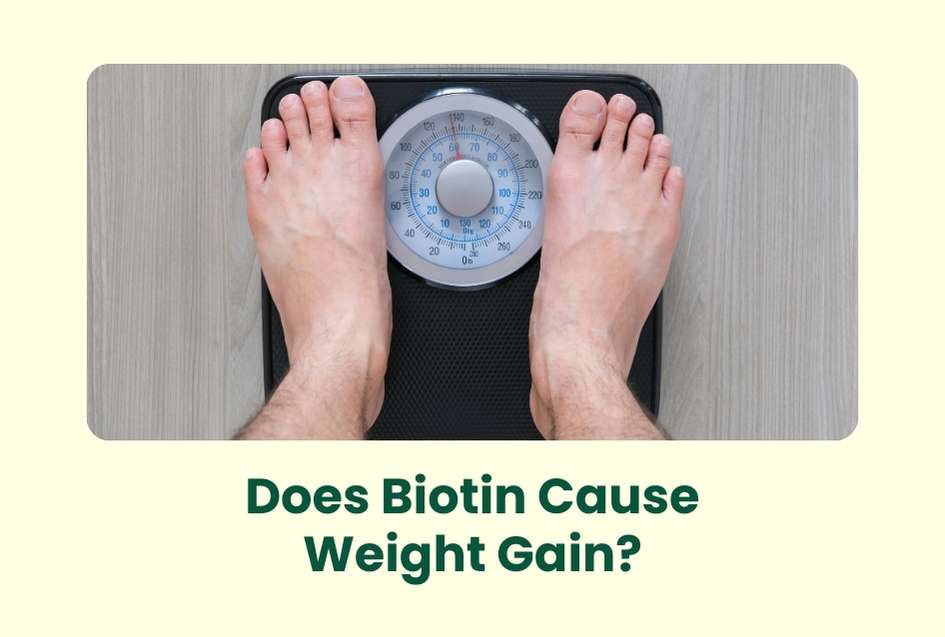
Biotin has become one of the most popular supplements for hair, skin, and nail health. But if you’ve started taking it, you might have wondered whether those capsules could be affecting the number on your scale. The question “Does biotin cause weight gain?” pops up frequently, and the concern is understandable.
Here’s the straightforward answer: No, biotin does not cause weight gain. No scientific evidence supports this claim. Let’s look at why this myth exists and what biotin actually does in your body.
Why Biotin Doesn’t Lead to Weight Gain
Biotin, also known as Vitamin B7, is a water-soluble vitamin. Your body doesn’t store it, and any excess gets flushed out through urine. Since biotin contains zero calories, taking it simply cannot contribute to fat storage. Your body uses what it needs and eliminates the rest.
A 2022 study published in the journal Gut actually found the opposite of what people fear. Researchers discovered that biotin supplementation combined with prebiotics helped limit weight gain and improve metabolic health in individuals with obesity. The mice in the study showed reduced fat mass accumulation and better insulin sensitivity. The researchers concluded that biotin supports gut bacteria diversity, which plays a role in how your body processes food and manages weight.
So where did this myth come from? Some people speculate that biotin might increase appetite since it helps convert food into energy. However, no research backs this up. Others notice temporary bloating when starting supplements, which is water retention and not actual fat gain. Your body typically adjusts within 2-3 weeks as it gets used to the new supplement.
What Biotin Actually Does for Your Body
Understanding what the benefits of biotin are helps clear up confusion about this vitamin.
- Supports energy metabolism: Biotin acts as a coenzyme, helping your body break down carbohydrates, fats, and proteins into usable energy. Without adequate biotin, this process slows down, which can leave you feeling tired and sluggish.
- Promotes hair health: A 2017 review in Skin Appendage Disorders examined 18 cases where biotin supplementation improved hair and nail conditions. All patients had an underlying deficiency, and all showed clinical improvement after taking biotin. The review noted that while biotin is widely marketed for hair growth, the real benefits appear when addressing an actual deficiency rather than supplementing on top of already-adequate levels.
- Strengthens nails: Research shows that consistent biotin intake over several months can improve brittle nails. One older study found that 91% of participants experienced firmer nails after taking biotin daily for five months. Nail improvements tend to appear faster than hair changes since nails have a shorter growth cycle.
- Aids blood sugar regulation: Some studies suggest biotin may help maintain healthy blood sugar levels, though more research is needed in this area.
Foods High in Biotin
You don’t necessarily need supplements to get enough biotin. Plenty of everyday foods contain this vitamin naturally. Here’s what foods that are high in biotin that you can add to your meals:
- Animal sources: Eggs are one of the richest sources, with one cooked egg providing about 10 mcg (33% of daily needs). Beef liver offers even more, with around 30 mcg per serving. Salmon and other fatty fish also contribute good amounts.
- Plant-based options: Sunflower seeds, almonds, and sweet potatoes all contain biotin. Spinach, broccoli, and avocados round out the list of excellent choices. Whole grains and legumes like lentils also provide smaller amounts that add up throughout the day.
- Pro tip: Cooking can reduce biotin content in some foods. Raw or lightly cooked vegetables tend to retain more nutrients.
Most people eating a varied diet get enough biotin naturally. The recommended daily intake is about 30 micrograms for adults, and a balanced diet typically provides 35-70 mcg.
When Supplements Make Sense
While food sources work for most people, certain situations call for extra support:
- Pregnancy and breastfeeding increase biotin needs
- Certain medications can interfere with biotin absorption
- Digestive conditions may affect how well you absorb nutrients
- Noticeable hair thinning or brittle nails might indicate a deficiency
If you’re considering a biotin supplement for hair health, look for formulas that combine biotin with other supportive ingredients. Plix Flaunt Your Hair contains natural biotin from Sesbania extract along with bamboo shoot and amino acids for comprehensive hair support. The plant-based formula provides scalp nourishment while supporting stronger hair follicles.
One important note: high-dose biotin supplements can interfere with certain lab tests, including thyroid panels and cardiac markers. Always tell your healthcare provider about any supplements you’re taking before blood work.
The Bottom Line
Does biotin cause weight gain? No. Biotin is calorie-free, water-soluble, and research actually suggests it may support healthy metabolism rather than hinder it.
What are the benefits of biotin? Energy production, hair and nail support, and metabolic function. Benefits are most noticeable for those with actual deficiencies.
What foods are high in biotin? Eggs, liver, salmon, sunflower seeds, almonds, sweet potatoes, spinach, and avocados.
Focus on getting biotin through a balanced diet first. Supplements can help fill gaps when needed, especially during times of increased demand like pregnancy or if you’re experiencing hair concerns.
Looking for plant-based hair support? Check out Plix nutrition solutions formulated with natural ingredients.
FAQs
Does taking biotin supplements lead to weight gain?
No, biotin does not cause weight gain. Since biotin contains no calories and your body eliminates excess through urine, supplementing with it cannot contribute to fat storage.
Can biotin help with weight loss?
Biotin supports how your body converts food into energy, but taking it won’t directly cause weight loss. Maintaining adequate biotin levels simply helps your metabolism function normally.
How much biotin should I take daily?
Most adults need about 30 micrograms daily. A balanced diet typically provides this amount. Higher doses in supplements are generally safe since excess biotin leaves the body through urine.
What are the signs of biotin deficiency?
Thinning hair, brittle nails, dry or scaly skin, fatigue, and mood changes can indicate low biotin levels. True deficiency is rare in people eating varied diets.
Are there any side effects of taking biotin?
Biotin is generally well-tolerated. Some people experience mild digestive discomfort or temporary bloating when starting supplements. High doses can interfere with certain lab tests, so inform your doctor before blood work.