Does ACV Help Constipation and Bloating? What You Should Know

Constipation and bloating are two of the most common digestive complaints that affect everyday comfort and energy. A 2021 systematic review published in The Lancet Gastroenterology & Hepatology found that functional constipation affects approximately 1 in 6 to 1 in 10 adults globally. Many people dealing with irregular bowel movements and post-meal heaviness turn to apple cider vinegar (ACV) as a natural option. But does ACV actually help constipation and bloating? Here is a clear, science-informed breakdown.
What Is Apple Cider Vinegar?
Apple cider vinegar is a fermented liquid made from crushed apples. Yeast converts the natural sugars into alcohol, and bacteria then ferment the alcohol into acetic acid, the primary active compound responsible for most of ACV’s health-supporting properties.
Raw, unfiltered ACV contains a cloudy substance called “the mother,” a colony of beneficial bacteria, enzymes, and proteins formed during fermentation. For digestive support, raw, unfiltered ACV with the mother is considered the more nutritious option compared to filtered varieties.
How Does ACV Help Constipation?
ACV may help constipation through several indirect mechanisms, though direct clinical evidence remains limited. No large-scale human study has confirmed that ACV relieves constipation on its own.
Acetic Acid and Digestive Enzymes
Acetic acid in ACV can help stimulate the production of digestive enzymes and stomach acid. When food breaks down more efficiently, nutrients are absorbed better, and waste moves through the intestines at a healthier pace. Low stomach acid is a surprisingly common issue, especially with age.
Prebiotic Support for Gut Bacteria
Raw, unfiltered ACV contains prebiotic compounds and probiotic bacteria from the mother. A balanced gut microbiome supports smooth digestion, regular bowel movements, and stronger immunity. Pairing ACV with a dedicated prebiotic and probiotic supplement can further strengthen digestive health.
Can ACV Reduce Bloating?
Bloating happens when gas builds up in the stomach or intestines, often after meals. Low stomach acid, slow digestion, and an imbalanced gut microbiome are common causes. ACV may help reduce bloating in specific situations.
When stomach acid levels drop, food sits in the stomach longer than usual and begins to ferment, producing excess gas. ACV provides a mild acidic boost that supports the stomach’s natural digestive process. Here are the key ways ACV may help:
- Stimulating digestive enzyme production to break down food faster
- Supporting stomach acid levels for more efficient food processing
- Promoting the growth of beneficial gut bacteria that reduce gas buildup
- Acting as a prebiotic that feeds healthy intestinal flora
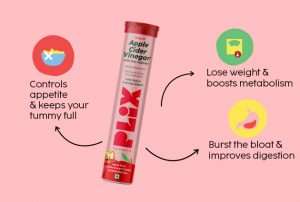
An apple cider vinegar effervescent tablet before meals is one convenient way to get these benefits without the harsh taste of liquid vinegar.
When ACV May Not Help Bloating
People with gastroparesis, chronic acid reflux, or a sensitive stomach should avoid ACV or consult a doctor before use. ACV is acidic and can worsen symptoms in these conditions.
How to Use Apple Cider Vinegar for Digestive Health
Consistency and proper dosage matter when using ACV for constipation and bloating.
Recommended Dosage and Timing
- Start with 1 teaspoon of ACV diluted in a large glass of water (at least 200 ml)
- Gradually increase to 1 to 2 tablespoons per day as your body adjusts
- Drink 15 to 20 minutes before a meal for the best digestive support
- Consume ACV up to twice daily, before lunch and dinner
ACV Effervescent Tablets vs Liquid ACV
Liquid ACV has a strong, sour taste and can irritate the throat and damage tooth enamel. Effervescent tablets offer the same benefits in a more enjoyable, precise format. Drop one weight management effervescent in a glass of cold water, let it fizz, and drink.
| Feature | Liquid ACV | ACV Effervescent Tablets |
| Taste | Strong, sour | Pleasant, fizzy |
| Dosing accuracy | Varies each time | Precise per tablet |
| Tooth enamel safety | Can erode enamel | Gentler on teeth |
| Convenience | Needs measuring | Drop, fizz, and sip |
| Includes “the mother.” | If raw, unfiltered | Yes, in quality formulations |
Other Natural Ways to Relieve Constipation and Bloating
ACV works best as part of a broader wellness routine.
Diet and Lifestyle Tips
- Eat a diet rich in fruits, vegetables, and whole grains for adequate fibre
- Drink plenty of water to keep your digestive system moving
- Exercise regularly, as physical activity stimulates bowel movements
- Manage stress through yoga, meditation, or time outdoors
- Eat slowly and chew food thoroughly to reduce swallowed air
Probiotics and Complementary Supplements
A gut health supplement with prebiotics and probiotics complements your ACV routine well. Probiotics add beneficial microorganisms to your gut, while prebiotics feed the good bacteria already present. For individuals focused on weight management alongside digestive wellness, an L-Carnitine apple cider vinegar effervescent pairs fat metabolism support with the digestive benefits of ACV.
Your Gut Deserves a Little Extra Care
Managing constipation and bloating does not have to be complicated. A simple, consistent routine that includes apple cider vinegar, a balanced diet, regular movement, and the right plant-based supplements can make a real difference. Start small, stay consistent, and let your gut do the rest.
Take care, have fun!
FAQs
Does apple cider vinegar help with constipation?
ACV may support constipation relief indirectly by stimulating digestive enzymes, supporting stomach acid levels, and promoting a healthier gut microbiome. No large-scale clinical study has confirmed ACV as a direct constipation remedy. Combining ACV with adequate fibre, hydration, and exercise provides better results.
How much apple cider vinegar should I take for bloating?
Start with 1 teaspoon of ACV diluted in a glass of water and gradually increase to 1 to 2 tablespoons per day. Drinking diluted ACV 15 to 20 minutes before meals can help reduce post-meal bloating.
Can I take ACV every day for digestive health?
Yes. Consuming 1 to 2 tablespoons of diluted ACV daily is generally safe for most adults. Always dilute ACV in water to protect your teeth and throat. Effervescent ACV tablets offer a more convenient daily option with precise dosing.
Are ACV effervescent tablets as effective as liquid apple cider vinegar?
Quality effervescent tablets that contain raw, unfiltered ACV with “the mother” deliver the same core benefits as liquid ACV. Tablets provide precise dosing, are gentler on tooth enamel, and taste significantly better.
Who should avoid using apple cider vinegar for bloating?
People with gastroparesis, chronic acid reflux, stomach ulcers, or a sensitive stomach should consult a doctor before use. Anyone taking medications for blood sugar or blood pressure should also seek medical advice first.
Can probiotics and ACV be taken together for better digestion?
Yes. ACV supports stomach acid levels and enzyme production, while probiotics add beneficial bacteria to the gut. A prebiotic and probiotic effervescent paired with a daily ACV supplement provides comprehensive digestive support.