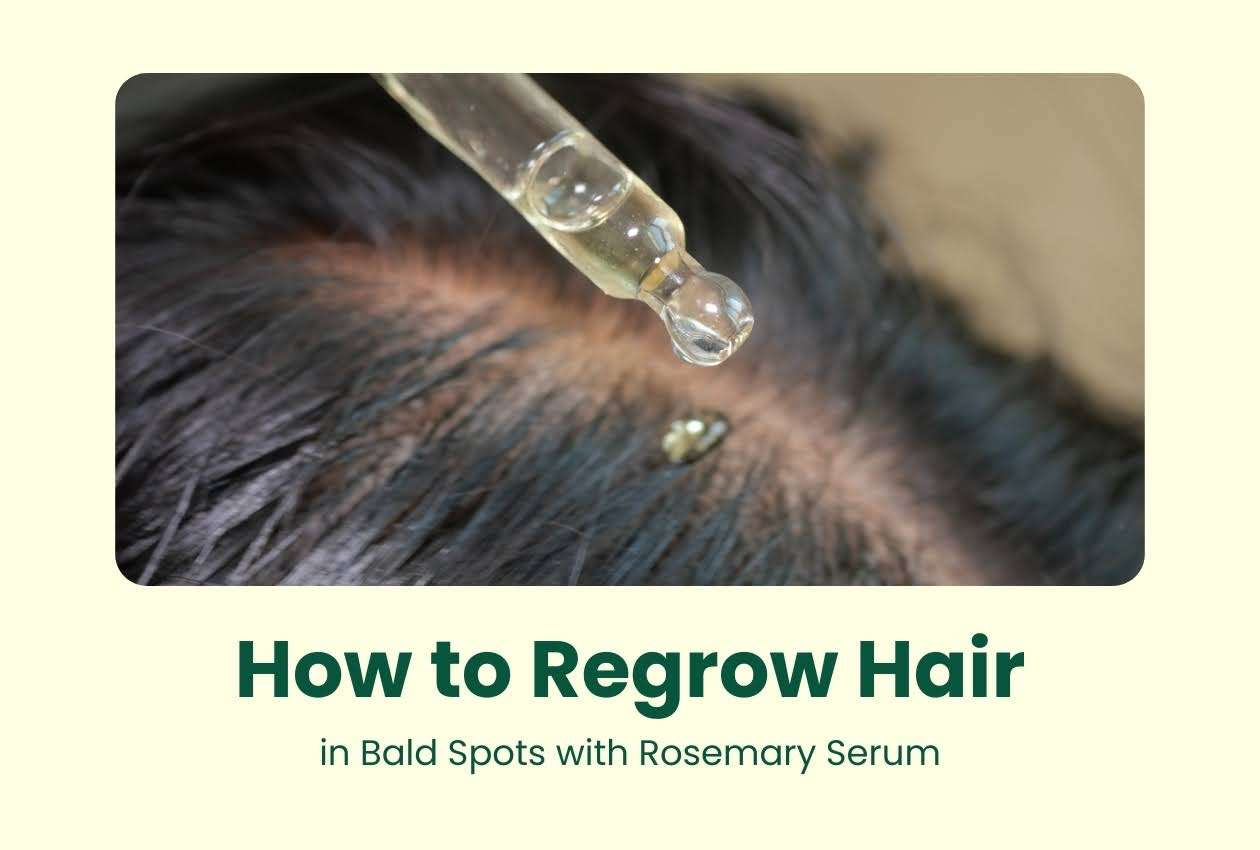
Speed Up Hair Growth Naturally: The Role of Rosemary Oil


Hair fall and thinning are among the most common Hair Care concerns today. Stress, poor nutrition, pollution, and product buildup can weaken hair follicles, leading to slower growth and increased shedding.
Rosemary oil for hair growth has gained serious attention as a natural, plant-based approach to stronger, fuller hair. More people are turning to rosemary oil for its antioxidant, anti-inflammatory, and circulation-boosting properties.
What Is Rosemary Oil and Why Does It Support Hair Growth?
Rosemary oil is an essential oil extracted from the rosemary plant (Rosmarinus officinalis), a Mediterranean herb valued for centuries in traditional wellness for its scalp health and hair strength benefits.
How Rosemary Oil Works on the Scalp
Rosemary oil supports hair growth through three primary actions:
- Improves blood circulation to the scalp, delivering more oxygen and nutrients to hair follicles
- Contains antioxidant compounds like carnosic acid that can help protect scalp tissue
- Offers anti-inflammatory and antimicrobial properties that promote a healthier scalp
When blood flow to the scalp increases, hair follicles receive the nourishment they need to stay active and produce stronger strands.
Can Rosemary Oil Reduce Hair Fall?
Yes, rosemary oil can help reduce hair fall when used consistently. A 2015 randomized clinical trial published in the journal Skinmed compared rosemary oil with minoxidil 2% in 100 participants with androgenetic alopecia. After six months, both groups showed a significant increase in hair count, with no significant difference found between the two groups (Panahi et al., 2015).
Hair growth is a slow process, and rosemary oil does not work overnight. Most people notice reduced shedding within the first few weeks. Visible improvements in hair thickness typically take three to six months of consistent use.
How Does Rosemary Oil Improve Scalp Health?
A healthy scalp is the starting point for healthy hair growth. When the scalp is irritated, dry, or clogged, hair follicles cannot function at their full potential.
Rosemary oil helps maintain a balanced scalp environment. Regular users often notice less itching, flaking, and irritation. A calmer scalp means less inflammation around the hair follicles, which supports stronger root health. Rosemary oil also helps keep follicles clear of sweat, excess oil, and product residue, allowing healthier hair growth.
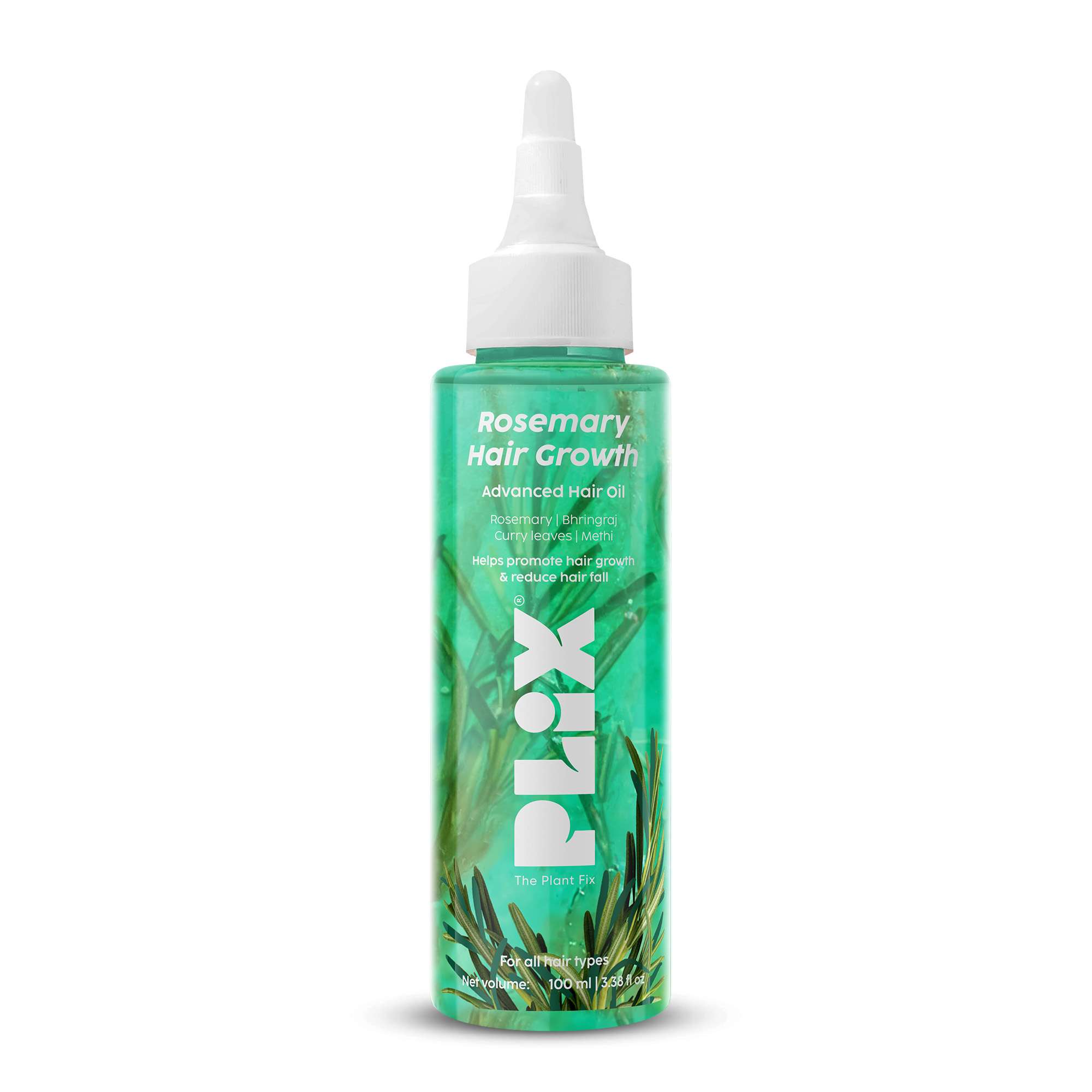
If you are looking for a plant-based way to keep your scalp nourished while reducing hair fall, a rosemary-infused hair growth oil can be a great addition to your routine.
How to Use Rosemary Oil for Hair Growth
Using rosemary oil correctly is important for both safety and effectiveness. Essential oils are highly concentrated and should never be applied directly to the scalp without dilution.
Step-by-Step Application
- Mix a few drops of rosemary oil with a carrier oil such as coconut oil or jojoba oil
- Massage the blend gently into your scalp using your fingertips, focusing on areas where hair fall is noticeable
- Leave the oil on for at least 30 minutes before washing. For deeper conditioning, leave it on overnight
- Wash with a gentle, sulfate-free anti-hairfall shampoo to remove oil without stripping natural moisture
For best results, use rosemary oil two to three times per week. Consistent application over several months gives your scalp and hair follicles the ongoing support they need.
Rosemary Oil vs Minoxidil for Hair Growth
Many people wonder how rosemary oil compares with conventional treatments like minoxidil. Here is a quick comparison.
| Factor | Rosemary Oil | Minoxidil 2% |
| Source | Plant-based essential oil | Synthetic medication |
| Application | Mixed with carrier oil or hair products | Applied directly as a liquid or a foam |
| Side Effects | Mild scalp irritation if undiluted | Scalp itching is more frequently reported |
| Timeline for Results | 3 to 6 months | 3 to 6 months |
Both options require months of consistent use. Rosemary oil appeals to those who prefer a natural, plant-based approach with fewer reported side effects. For a targeted option combining rosemary with advanced actives, a hair growth serum with Redensyl and rosemary can complement your routine effectively.
Are There Side Effects of Rosemary Oil for Hair?
Rosemary oil is generally safe when diluted. Possible side effects include scalp irritation if undiluted, burning from overuse, and allergic reactions. Always do a patch test before full scalp application. Pregnant individuals should consult a healthcare professional before use.
If you prefer a pre-formulated, dermatologically tested option, a complete rosemary anti-hairfall kit with oil, shampoo, conditioner, and serum takes the guesswork out of dilution and application.
What Rosemary Oil Cannot Do
Rosemary oil supports scalp health and hair strength, but it is not a solution for all types of hair loss. Hair loss from hormonal imbalances, vitamin deficiencies, or medical conditions may need additional treatment. Sudden or patchy hair loss should be evaluated by a dermatologist.
Rosemary oil works best for gradual thinning, stress-related shedding, and breakage-prone hair. Pairing it with gentle hair fall control products and a balanced diet gives you the best results.
Your Hair Deserves a Little Extra Care
Healthy hair starts with a healthy scalp, and rosemary oil is one of the most effective natural ways to support both. Whether you are dealing with early thinning or stress-related shedding, adding rosemary oil to your Hair Care routine can make a real difference.
Plix offers a complete range of plant-based, rosemary-powered advanced hair growth solutions that are vegan, sulfate-free, and formulated for all hair types. Take care, have fun!
FAQs
Does rosemary oil help with hair growth?
Yes. A 2015 clinical trial found rosemary oil comparable to minoxidil 2% in increasing hair count after six months. Consistent application two to three times per week is recommended.
How long does rosemary oil take to show results for hair?
Most people notice reduced shedding within the first few weeks. Visible improvements in thickness typically take three to six months of consistent use.
Can I apply rosemary oil directly to my scalp?
No, always dilute rosemary oil with a carrier oil like coconut or jojoba oil. Undiluted essential oil can cause irritation and burning. Pre-formulated rosemary hair products are a safer alternative.
How often should I use rosemary oil for hair fall?
Apply rosemary oil two to three times per week. Leave it on for at least 30 minutes before washing for best results.
Is rosemary oil safe for all hair types?
Rosemary oil is generally suitable for all hair types when properly diluted. People with sensitive skin should do a patch test first. Pregnant individuals should consult a doctor before use.
Can rosemary oil replace my regular hair growth treatment?
Rosemary oil can be a strong addition to your routine, but may not fully replace medical treatments for androgenetic alopecia. For gradual thinning and stress-related hair fall, a complete rosemary-based hair care regimen can deliver noticeable improvements.