How Fermented Yeast Protein is Made: From Lab to Your Shake

You have probably seen “fermented yeast protein” on a label and wondered what that actually means. How do you get protein from yeast? Is it natural? Is it safe? The process is simpler than you might think, and understanding h
ow your protein powder is made can help you feel more confident about what you are putting into your body. Here is the journey from start to scoop.
Selecting the Right Yeast Strain
Everything starts with the yeast itself. Not just any yeast will do.
Saccharomyces Cerevisiae is the Star
The yeast strain used for fermented protein is Saccharomyces cerevisiae. You might recognize it as baker’s yeast or brewer’s yeast. Humans have used this organism safely in food production for thousands of years. The FDA approved baker’s yeast protein for use in food as a nutritional supplement back in 1977, so it has a long safety track record.
Why Strain Selection Matters
Different strains produce different levels of protein, amino acids, and nutrients. Manufacturers select specific non-GMO strains that are optimized for high protein content and a strong essential amino acid profile.
Growing the Yeast Through Fermentation
Once the strain is selected, the actual fermentation begins. Think of it as farming, but at a microscopic scale.
How Fermentation Works
Yeast cells are placed into large bioreactors (essentially big, sterile tanks) with a plant-based growth medium that provides sugars and nutrients. Under controlled conditions of temperature, pH, and oxygen, the yeast cells multiply rapidly. The entire growth cycle is short, typically a matter of days, not months like crop farming.
What Makes This Process Sustainable
Fermentation happens indoors in controlled environments. There is no dependence on weather, seasons, or farmland. The process uses significantly less water and land than both animal and plant protein production. Some manufacturers even use byproducts like molasses as the growth medium, creating a circular economy approach.
Harvesting and Extracting the Protein
After the yeast has grown to peak density, the protein needs to be separated from the rest of the cell.
Breaking Down the Cell Wall
Yeast cells have a tough outer wall. To access the protein inside, manufacturers use physical or enzymatic methods to break open the cells. No harsh chemical solvents are needed. The goal is to release the protein while preserving its amino acid structure.
Concentrating the Protein
Once the cells are broken open, the protein is separated from fats, fibers, and other components. The result is a protein concentrate that typically contains 80% or more protein by weight. Additional filtration and drying steps turn the concentrate into a fine, easy-to-mix protein powder.
Quality Testing and Formulation
Raw protein powder is just the beginning. Before it reaches your shaker, it goes through extensive testing.
PDCAAS and Amino Acid Testing
Each batch is tested for its amino acid profile and digestibility. A PDCAAS score of 1 confirms that the protein meets the highest quality standard for human nutrition. Manufacturers also test for contaminants, heavy metals, and microbial safety.
Adding Supporting Ingredients
Some brands go a step further by adding digestive enzymes, probiotics, and prebiotic fibers to improve gut comfort. For example, a gut-friendly protein powder might include papain, bromelain, Bifidobacterium bifidum, and inulin fiber alongside the fermented yeast protein base.
Flavoring, Packaging, and Reaching You
The final steps turn raw protein into something you actually want to drink.
Natural Flavoring and Sweetening
Quality brands avoid artificial sweeteners, artificial colors, and preservatives. Natural flavoring agents like cocoa or vanilla are used to create a smooth, enjoyable taste.
What the Final Product Looks Like
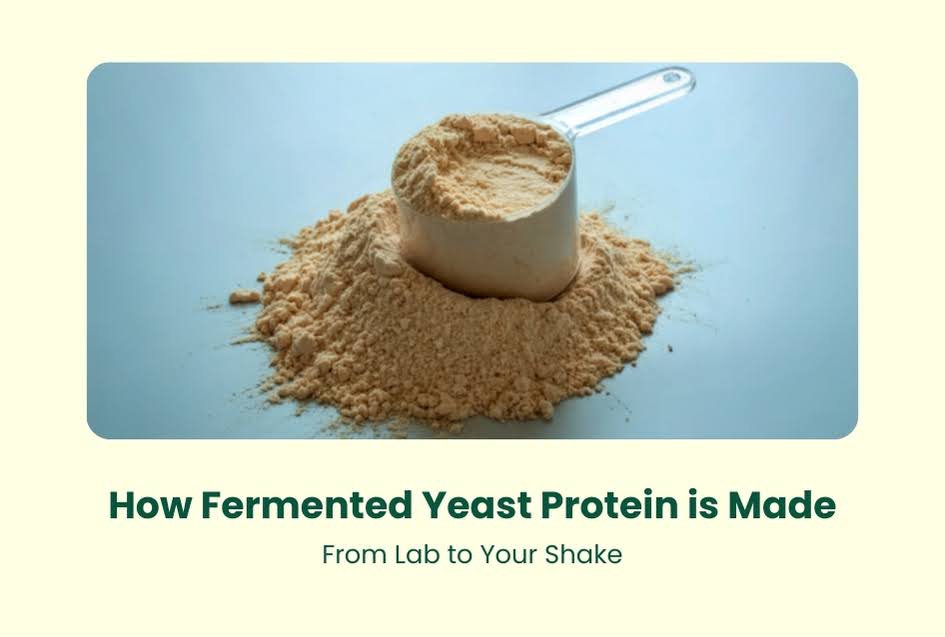
The finished product is a fine, clump-free powder that mixes easily with water or your favorite milk alternative. One scoop goes into 300 ml of cold water, a quick shake, and your high-quality protein shake is ready.
How Plix Brings Clean Fermented Protein to You
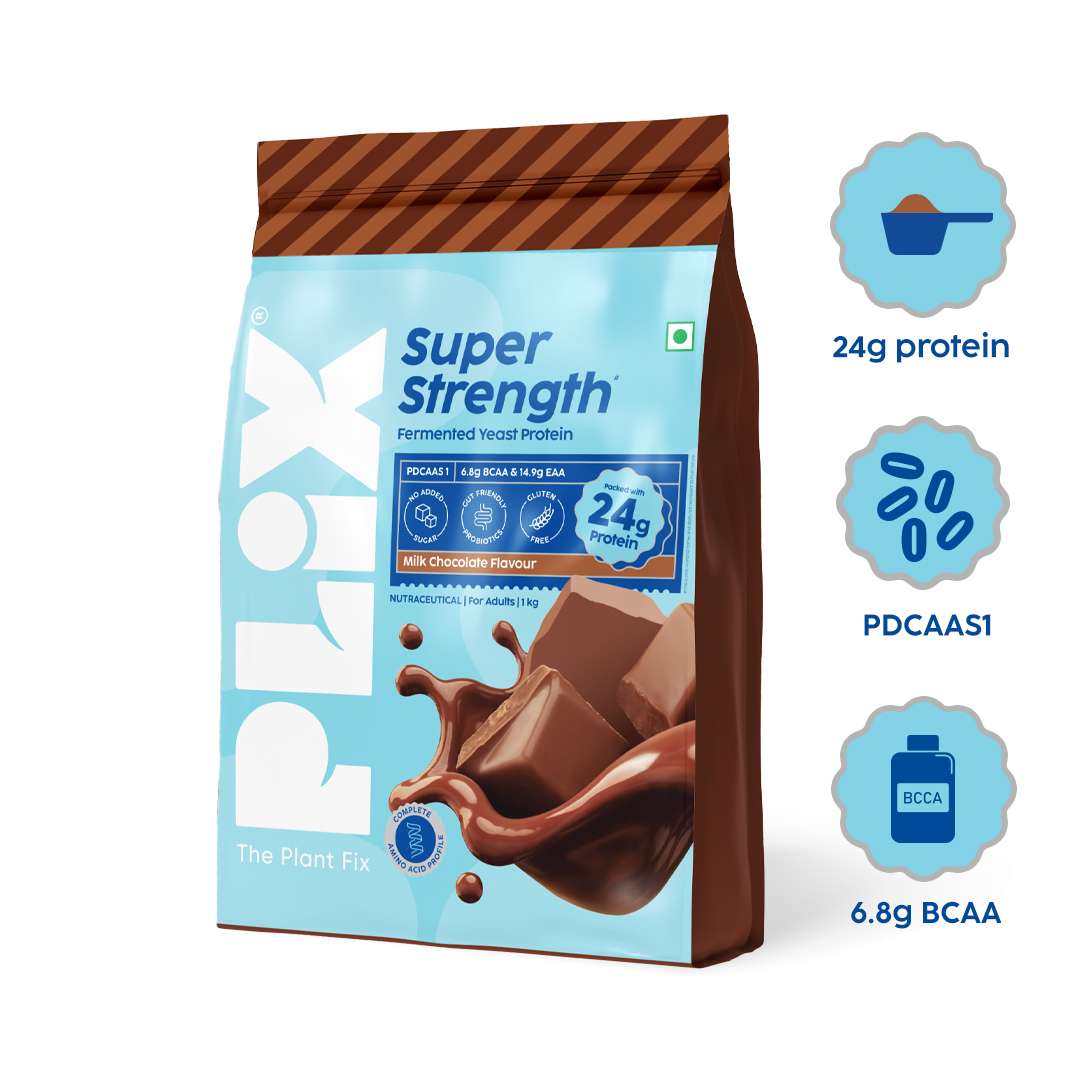
Plix Super Strength Fermented Yeast Protein uses Saccharomyces cerevisiae fermented into a 24g-per-serving protein with a PDCAAS of 1. Every scoop includes digestive enzymes, probiotics, and inulin fiber. No maltodextrin, no artificial sweeteners, no anticaking agents. Just clean, transparent protein you can trust.
Take care, have fun!
Frequently Asked Questions
Is fermented yeast protein natural?
Yes. Saccharomyces cerevisiae is a naturally occurring organism that has been used in food production for thousands of years.
Does fermented yeast protein contain GMOs?
Most quality fermented yeast proteins use non-GMO strains. Always check the product label for non-GMO certification.
Are chemicals used in the extraction process?
Reputable manufacturers use physical or enzymatic methods, not harsh chemical solvents, to extract the protein from yeast cells.
How long does the fermentation process take?
Yeast fermentation cycles are typically completed in days, making it one of the fastest protein production methods available.
Is fermented yeast protein the same as nutritional yeast?
No. Nutritional yeast is a whole-cell product with moderate protein. Fermented yeast protein is a concentrated extract with 80% or more protein content.
Is the protein powder safe for daily consumption?
Fermented yeast protein has a long safety record. As with any supplement, follow the recommended serving size and consult a healthcare provider if you have specific concerns.