Does Glutathione Cause Weight Gain? Myth vs Science


Glutathione is one of the most talked-about antioxidant supplements for skin health, yet a common concern keeps surfacing: Does glutathione cause weight gain? The short answer is no. No credible scientific evidence links glutathione supplementation to increased body fat or body weight. Weight changes depend on calorie intake, physical activity, hormonal balance, and metabolism, not on antioxidant supplements.
Below, we break down the science, address the myths, and explain how glutathione interacts with your metabolism.
What Is Glutathione and How Does It Work in the Body
Glutathione is a tripeptide made from three amino acids: cysteine, glutamine, and glycine. Your liver produces glutathione naturally, and every cell in your body contains it. As the body’s most abundant endogenous antioxidant, glutathione protects cells from oxidative damage, supports the immune system, and aids in the removal of harmful substances.
A randomized, double-blind, placebo-controlled trial published in the European Journal of Nutrition found that daily oral glutathione supplementation at 1,000 mg for six months increased glutathione levels by 30 to 35% in erythrocytes, plasma, and lymphocytes among 54 healthy adults. Natural killer cell activity also increased twofold in the high-dose group.
Key Functions of Glutathione
- Neutralizes free radicals that cause oxidative stress and cellular damage
- Supports liver function and the body’s natural detoxification processes
- Promotes immune cell activity and helps fight infections
- Assists in cellular repair and tissue maintenance
- Plays a role in regulating metabolic processes, including fat and carbohydrate metabolism
Does Glutathione Cause Weight Gain
Glutathione does not cause weight gain. No published clinical trial has shown a connection between glutathione supplementation and increased body weight or fat accumulation. Glutathione is a naturally occurring molecule in every cell, and supplementing with it simply helps restore or maintain optimal levels.
What the Research Says
Glutathione functions primarily as an antioxidant and a detoxification agent. Glutathione does not contain significant calories, does not alter appetite hormones, and does not promote fat storage. Studies on oral glutathione supplementation have measured blood antioxidant levels, immune markers, and skin melanin indices, and none have reported weight gain as a side effect.
Low glutathione levels have been associated with insulin resistance, a condition linked to increased fat storage. Adequate glutathione may support healthy insulin function, helping the body process sugars and fats more efficiently.
Why the Myth Exists
The glutathione weight gain myth likely stems from a few sources. Some people confuse mild bloating or water retention (a temporary digestive response to any new supplement) with actual weight gain. Others may associate glutathione with injectable treatments that sometimes involve steroids or other compounds, which can independently affect body weight. The supplement itself, whether taken orally or as an antioxidant effervescent for skin, does not carry this risk.
How Glutathione Affects Metabolism and Fat Storage
Glutathione plays a supportive role in metabolic health rather than directly causing weight gain or loss. Understanding this distinction helps separate fact from fiction.
Glutathione and Insulin Sensitivity
Insulin resistance occurs when cells stop responding effectively to insulin, leading to higher blood sugar and increased fat storage. Research has linked lower glutathione levels with higher rates of insulin resistance. When the body maintains adequate glutathione, insulin sensitivity may improve, making it easier for cells to absorb glucose and reducing the likelihood of excess fat storage.
For those already managing their weight with tools like a plant-based weight management supplement, glutathione can complement these efforts by supporting underlying metabolic processes.
Oxidative Stress and Body Weight
Chronic oxidative stress has been linked to obesity and metabolic disorders. When free radicals overwhelm the body’s antioxidant defenses, inflammation rises, and metabolic function declines. Glutathione reduces oxidative stress, which may help create a healthier internal environment for weight management. A well-functioning liver, supported by adequate glutathione, processes fats more efficiently.
Glutathione Tablets vs Glutathione Injections: Weight Gain Comparison
Many people wonder whether the form of glutathione affects weight. Oral glutathione tablets show no evidence of weight gain. As for injections, no direct link exists – though accompanying compounds used at some clinics may independently affect weight. If you are weighing up both options, our in-depth guide on glutathione tablets vs glutathione injections covers the full safety comparison. Here is a comparison of the two most common forms.
| Factor | Glutathione Tablets (Oral) | Glutathione Injections (IV) |
| Link to weight gain | No evidence of weight gain | No direct link, but accompanying compounds in some clinics may affect weight |
| How it works | Absorbed through the digestive system, supports gradual antioxidant replenishment | Delivered directly into the bloodstream for immediate availability |
| Common side effects | Mild bloating or stomach discomfort in some users (temporary) | Pain at the injection site, potential allergic reactions |
| Convenience | Easy to consume daily at home | Requires clinical visits |
| Safety profile | Generally well-tolerated with consistent oral use | Requires medical supervision |
| Cost | More affordable for long-term use | Higher cost per session |
Oral glutathione supplements are the preferred choice for most people looking to support skin health and antioxidant levels safely and conveniently.
Benefits of Glutathione Beyond Weight
Glutathione offers a wide range of health benefits that have nothing to do with body weight. Knowing what glutathione actually does can help clear up misunderstandings.
Skin Brightening and Pigmentation
Glutathione helps regulate melanin production by inhibiting the enzyme tyrosinase. Over consistent use, oral glutathione can support a brighter, more even skin tone. Pairing a glutathione supplement with a skin brightening serum containing Vitamin C can amplify results, since Vitamin C helps recycle oxidized glutathione back into its active form.
Immune Support and Cellular Repair
Glutathione promotes the activity of lymphocytes and natural killer cells, which are essential for fighting infections. Adequate levels also support cellular repair and healthy aging. Combining antioxidant support with stress relief supplements that regulate cortisol can create a well-rounded wellness routine.
How to Take Glutathione Without Worrying About Weight Gain
Safe supplementation starts with choosing the right product and following sensible habits.
Natural Ways to Boost Glutathione Levels
- Eat sulfur-rich foods like garlic, onions, cruciferous vegetables, eggs, and legumes
- Include Vitamin C-rich fruits like oranges, amla, and guava to help regenerate glutathione
- Exercise regularly to enhance the body’s antioxidant defenses
- Reduce exposure to environmental pollutants and processed foods
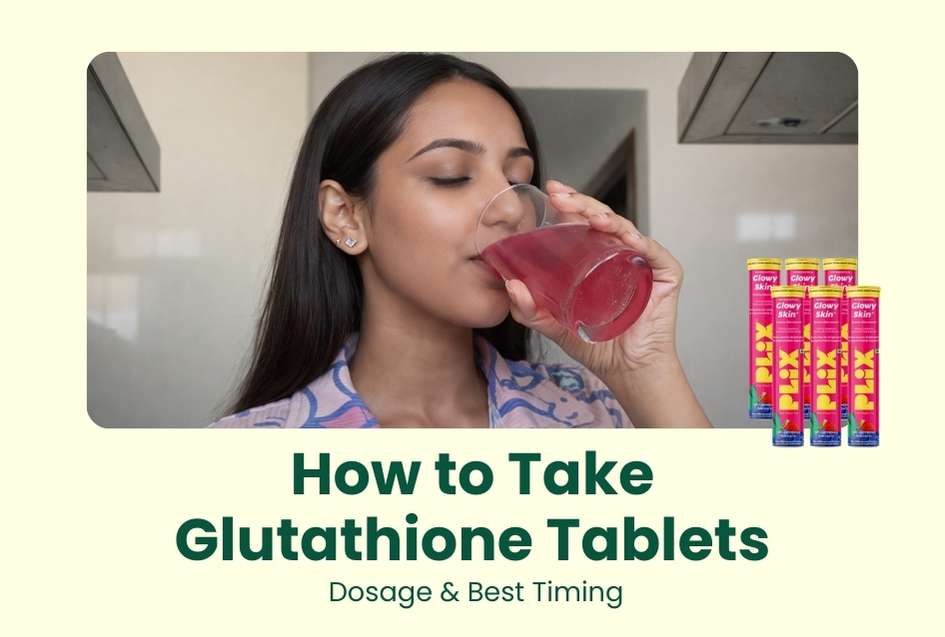
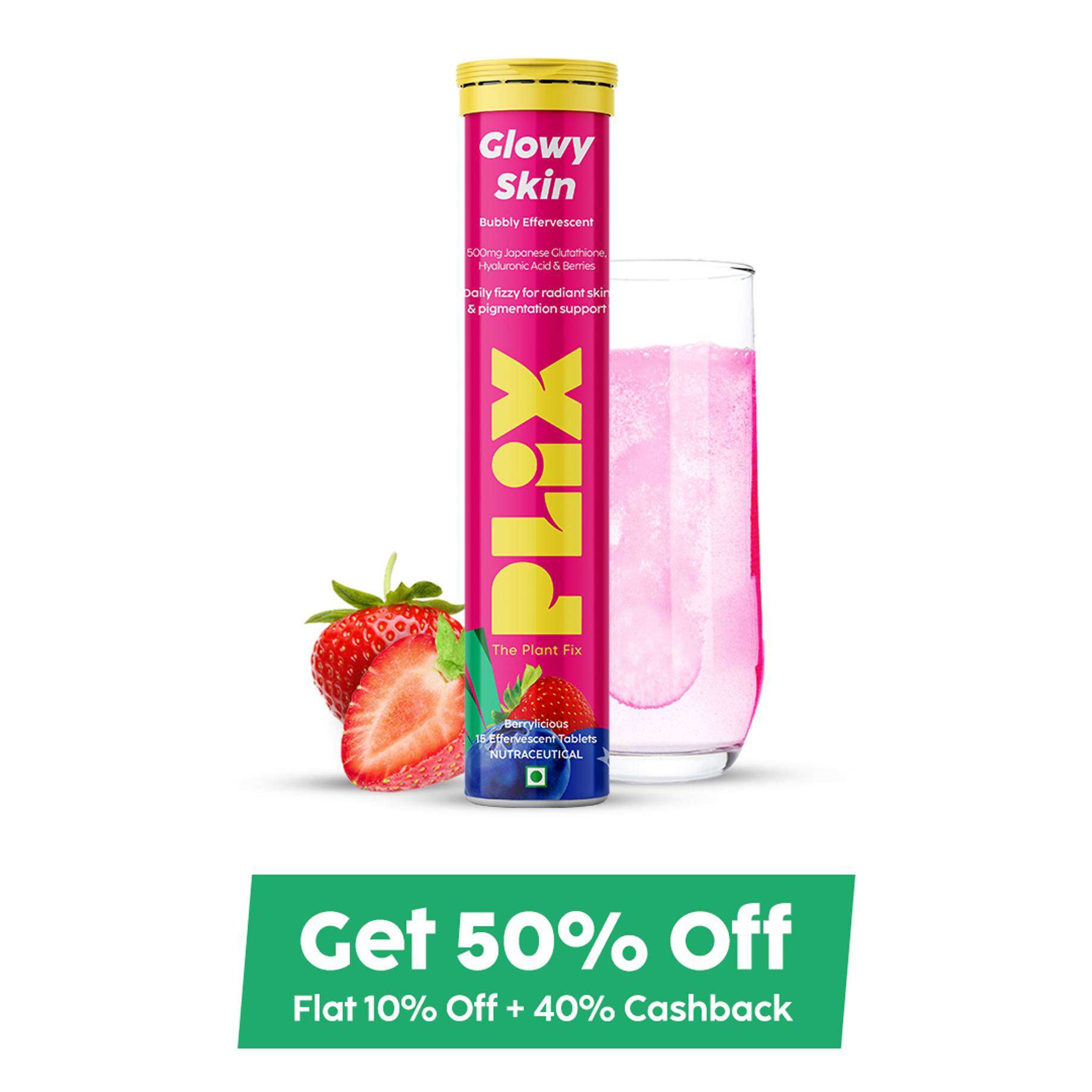
- Consider a clinically studied effervescent tablet for glowing skin that delivers 500 mg of L-glutathione per serving
Standard dosing ranges from 250 mg to 1,000 mg daily. For a complete guide on getting dosage and timing right, read our post on how to take glutathione tablets for best results. Starting at a lower dose and increasing gradually helps assess tolerance and minimize any initial digestive discomfort.
Glow Confidently, Without the Weight Worry
Glutathione supports your skin, immunity, and overall wellness without affecting your body weight. Choosing a clean, plant-based antioxidant supplement lets you focus on looking and feeling your best.
Check out the full range of skin glow and wellness supplements from Plix, formulated with clinically studied, vegan-friendly ingredients and backed by the Clean Label Project certification.
Take care, have fun!
Frequently Asked Questions
Here are answers to the most commonly asked questions about glutathione and weight gain.
Does glutathione cause weight gain or weight loss?
Glutathione does not cause weight gain or weight loss directly. Glutathione is an antioxidant that supports cellular health, detoxification, and immune function. Weight changes are determined by diet, exercise, metabolism, and hormonal balance, not by glutathione supplementation.
Is it safe to take glutathione tablets every day?
Yes, daily glutathione supplementation is generally considered safe for most adults when taken at recommended doses (250 mg to 1,000 mg per day). Some people may experience mild bloating initially, which is temporary. Consult a healthcare professional if you are pregnant, nursing, or taking medications.
Can glutathione help with weight management?
Glutathione may support weight management indirectly by improving insulin sensitivity and reducing oxidative stress, both of which are factors in healthy metabolism. However, glutathione alone is not a weight loss supplement and should be combined with a balanced diet and regular physical activity.
Does glutathione cause bloating?
Some people experience mild bloating or stomach discomfort when first starting glutathione supplements. Temporary bloating is not the same as weight gain. Bloating usually resolves within a few days as the body adjusts. Taking glutathione with a light meal can reduce digestive discomfort.
How long does it take for glutathione to show results on skin?
Most people begin noticing subtle skin changes around 3 to 4 weeks of consistent use. Visible brightening and improvements in skin tone typically appear between 8 to 12 weeks. Results depend on dosage, consistency, skin type, and overall lifestyle factors.
Can I take glutathione with Vitamin C for better results?
Yes, Vitamin C and glutathione work well together. Vitamin C helps recycle oxidized glutathione back into its active, reduced form, which maximizes its antioxidant and skin brightening effects. Taking both together is a widely recommended approach for enhanced skin health and overall wellness.