Ashwagandha: Uses, Benefits, and Side Effects


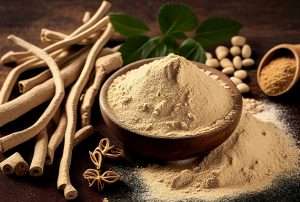
Ashwagandha (Withania somnifera) is an evergreen shrub native to India, the Middle East, and parts of Africa. Known as “Indian ginseng,” this adaptogenic herb has been used in Ayurvedic medicine for over 3,000 years.
The name comes from Sanskrit, with “ashva” meaning horse and “gandha” meaning smell, referring to both its distinct aroma and the belief that consuming it provides strength and vitality. Active compounds called withanolides give ashwagandha its therapeutic properties. Withanolides may help calm the brain, reduce inflammation, and support the body’s ability to handle stress.
Ashwagandha Uses and Benefits
Research has explored several potential ashwagandha benefits for both mental and physical health.
Stress and Anxiety Relief
Ashwagandha for stress relief is best known for its calming properties. A 2022 systematic review and meta-analysis examining 12 clinical trials with over 1,000 participants found that ashwagandha supplementation significantly reduced both anxiety and stress levels compared to placebo groups.
The herb appears to work by moderating cortisol, your body’s primary stress hormone. A 2012 double-blind, placebo-controlled study involving 64 adults with chronic stress found that those taking 300mg of ashwagandha root extract twice daily experienced substantially reduced cortisol levels and improved scores on stress-assessment questionnaires after 60 days.
Sleep Quality Improvement
Struggling with restless nights? Ashwagandha for better sleep may offer natural support. A 2021 meta-analysis published in PLOS One reviewed five randomized controlled trials and found that ashwagandha extract showed a small but significant improvement in overall sleep quality.
Benefits were more noticeable in adults with diagnosed insomnia, at doses of 600mg or more daily, and with treatment lasting eight weeks or longer. The herb’s sleep-promoting effects appear connected to its GABA-mimetic properties, which help calm brain activity and promote relaxation.
Energy and Athletic Performance
Despite its calming effects, ashwagandha supplements may also support physical performance. Research suggests the herb can improve cardiorespiratory endurance and support muscle strength when combined with regular exercise.
Cognitive Function Support
Some studies indicate ashwagandha may support memory, focus, and mental clarity. The herb’s antioxidant properties help protect brain cells from oxidative stress.
Also Read: Ashwagandha tablets benefits: Sleep, Anxiety And Stress Relief
Side Effects of Ashwagandha
While ashwagandha is generally well-tolerated, understanding the potential side effects helps ensure safe use.
Common mild effects may include:
- Stomach upset or digestive discomfort
- Diarrhea
- Nausea or vomiting
- Drowsiness
Rare but serious concerns include:
- Liver problems have been reported in isolated cases, though uncommon
- May affect thyroid hormone levels
- Could lower blood sugar or blood pressure
Most side effects occur with large doses or extended use beyond recommended periods. Research suggests ashwagandha is possibly safe when used for up to three months. Long-term safety beyond this period hasn’t been extensively studied.
Who Should Avoid Ashwagandha?
Certain groups should exercise caution or avoid ashwagandha entirely.
- Pregnant women: Ashwagandha may cause complications during pregnancy.
- Breastfeeding mothers: Insufficient research exists on the safety during breastfeeding.
- People with autoimmune conditions: Since ashwagandha may stimulate immune activity, those with lupus, rheumatoid arthritis, or similar conditions should consult their doctor.
- Those with thyroid disorders: Ashwagandha can increase thyroid hormone levels, potentially interfering with medication or worsening hyperthyroidism.
- People scheduled for surgery: Stop taking ashwagandha at least two weeks before any surgical procedure, as it may interact with anesthesia.
- Those on certain medications: Ashwagandha may interact with sedatives, blood pressure medications, diabetes drugs, and thyroid medications.
Recommended Dosage
Clinical studies have used varying doses, but most research shows benefits with 250mg to 600mg daily.
For best results, look for products standardized for withanolide content, typically around 2.5% to 5%. KSM-66 is a well-researched standardized extract commonly used in quality supplements.
A Convenient Way to Add Ashwagandha
Taking ashwagandha traditionally meant dealing with its bitter taste and earthy smell. Plix Life offers a more pleasant alternative.
Each ashwagandha effervescent tablet contains KSM-66 Ashwagandha, considered the gold standard for ashwagandha extracts, along with Brahmi, Bhringraj, and Vitamin D3 for comprehensive stress and sleep support. Simply drop a tablet in water, let it fizz, and enjoy twice daily.
The formula supports cortisol regulation, promotes restful sleep, and helps maintain mental clarity without the strong herbal taste of traditional preparations.

The Bottom Line
Ashwagandha benefits range from stress reduction and better sleep to potential cognitive and physical performance support. Research continues to validate many traditional uses of this adaptogenic herb.
However, side effects of ashwagandha exist, particularly with higher doses or prolonged use, and certain individuals should avoid it entirely. As with any supplement, consulting a healthcare provider before starting ashwagandha ensures it’s appropriate for your specific health situation.
When used correctly, ashwagandha can be a valuable addition to your wellness routine. Ready to experience the calming benefits? KSM-66 Ashwagandha Effervescent Tablets for mental relaxation offer a convenient, effective way to incorporate this ancient herb into modern life.
Frequently Asked Questions
What is ashwagandha used for?
Ashwagandha is primarily used to help manage stress and anxiety, improve sleep quality, and support overall wellness. Traditional Ayurvedic medicine has used it for centuries to boost energy, enhance cognitive function, and promote general vitality.
Can ashwagandha reduce anxiety?
Research suggests ashwagandha may help reduce anxiety symptoms. Multiple clinical trials have shown significant improvements in anxiety scores when participants took ashwagandha extract compared to a placebo. Ashwagandha appears to work by helping regulate cortisol and supporting healthy stress responses.
Can I take ashwagandha every day?
Most studies support daily use for periods up to 8-12 weeks. Taking ashwagandha consistently tends to produce better results than occasional use. However, consulting a healthcare provider for long-term use is recommended since extended safety data beyond three months is limited.
Does ashwagandha reduce migraines?
While ashwagandha isn’t specifically studied for migraines, its stress-reducing properties may indirectly help since stress is a common migraine trigger. Anyone experiencing frequent migraines should work with a healthcare provider for proper diagnosis and treatment.
Can ashwagandha heal the brain?
Ashwagandha contains antioxidant compounds that may help protect brain cells from oxidative damage. Some research suggests potential benefits for memory and cognitive function. The herb may support brain health as part of an overall wellness approach.
Is ashwagandha kidney safe?
Current research hasn’t shown significant kidney concerns with normal ashwagandha use in healthy individuals. However, those with existing kidney conditions should consult their healthcare provider before starting any new supplement, including ashwagandha.
What is the best time of day to take ashwagandha?
Timing depends on your goals. For sleep support, taking ashwagandha in the evening or before bed works well. For daytime stress management and energy, morning or midday consumption may be preferable. Some people split their dose between morning and evening for balanced effects throughout the day.
Can ashwagandha reduce weight?
Ashwagandha isn’t a direct weight loss supplement, but it may support weight management indirectly. Reducing cortisol levels and stress-related eating can contribute to healthier eating patterns. Some research suggests ashwagandha may help reduce stress-induced weight gain.