Glutathione Tablets vs Glutathione Injections: Which Is Safer?


Glutathione is the body’s most important antioxidant, and choosing between glutathione tablets and glutathione injections can feel overwhelming. Both forms promise brighter skin and better cellular health, but safety and long-term effects differ significantly. Here is what you need to know.
What Is Glutathione and Why Does Your Body Need It?
Glutathione is a tripeptide made from three amino acids: cysteine, glycine, and glutamic acid. Every cell in your body contains glutathione, and your liver produces it naturally. The key point is that glutathione plays a central role in neutralising free radicals, supporting immune function, and maintaining healthy skin tone.
As you age, glutathione levels decline. Stress, pollution, poor diet, and lack of sleep accelerate that decline. Supplementation helps bridge the gap, but the method of supplementation matters.
How Glutathione Supports Skin Health
Glutathione regulates melanocyte activity and inhibits tyrosinase, the enzyme responsible for melanin production. A clinical trial found that participants taking 500 mg of oral glutathione daily showed decreased melanin indices at all six measured body sites after just 4 weeks. Consistent supplementation can lead to a more even skin tone and a natural, healthy glow.
How Glutathione Supports Overall Wellness
Beyond skin health, glutathione helps recycle other antioxidants like vitamin C and vitamin E. Your immune cells rely on adequate glutathione to regulate inflammation and mount precise responses. Glutathione also helps your liver process and eliminate metabolic waste efficiently.
How Do Glutathione Tablets Work?
Oral glutathione tablets deliver the antioxidant through your digestive system. Modern formulations have improved significantly, with advances like reduced and bioavailable forms that supply glutathione in its active state. Synergistic nutrients like vitamin C, selenium, and NAC further support glutathione synthesis and recycling inside the body.
Why Tablets Are a Practical Daily Choice
Glutathione tablets do not require clinic visits or medical supervision. A standard oral glutathione dosage ranges from 250 to 500 mg per day, and consistency matters more than a single high dose. For a complete breakdown of ideal dosage, timing, and what to pair it with, read our guide on how to take glutathione tablets. Most people notice improvements in skin clarity and energy within 4 to 8 weeks of consistent use.
How Do Glutathione Injections Work?
Glutathione injections introduce pre-formed glutathione directly into the bloodstream, bypassing the digestive system. The result is an immediate spike in blood glutathione levels, typically used in aesthetic settings.
However, effects do not last without repeated sessions, and injections do not stimulate the body’s own glutathione production.
Glutathione Tablets vs Glutathione Injections: Safety Comparison
The core difference between glutathione tablets and glutathione injections lies in how your body responds over time.
| Factor | Glutathione Tablets | Glutathione Injections |
| Speed of Results | Gradual (4 to 8 weeks) | Immediate |
| Duration of Effects | Long-term with consistent use | Short-term, requires repeat sessions |
| Safety Profile | High, no medical supervision needed | Requires medical oversight, carries risks |
| Supports Natural Production | Yes | No |
| Suitable for Daily Use | Yes | No |
| Cost Over Time | Economical | Expensive |
| Risk of Adverse Effects | Minimal (mild bloating in rare cases) | Anaphylaxis, vein irritation, infection |
In summary, tablets strengthen the body’s antioxidant foundation from within, while injections create a short-lived surge that fades once sessions stop.
What Is the Right Glutathione Dosage?
Dosage plays a significant role in effectiveness, regardless of the method you choose. For oral supplementation, 250 to 500 mg per day is the commonly studied range. Pairing glutathione with vitamin C amplifies its effectiveness, as vitamin C helps recycle glutathione back into its active form.
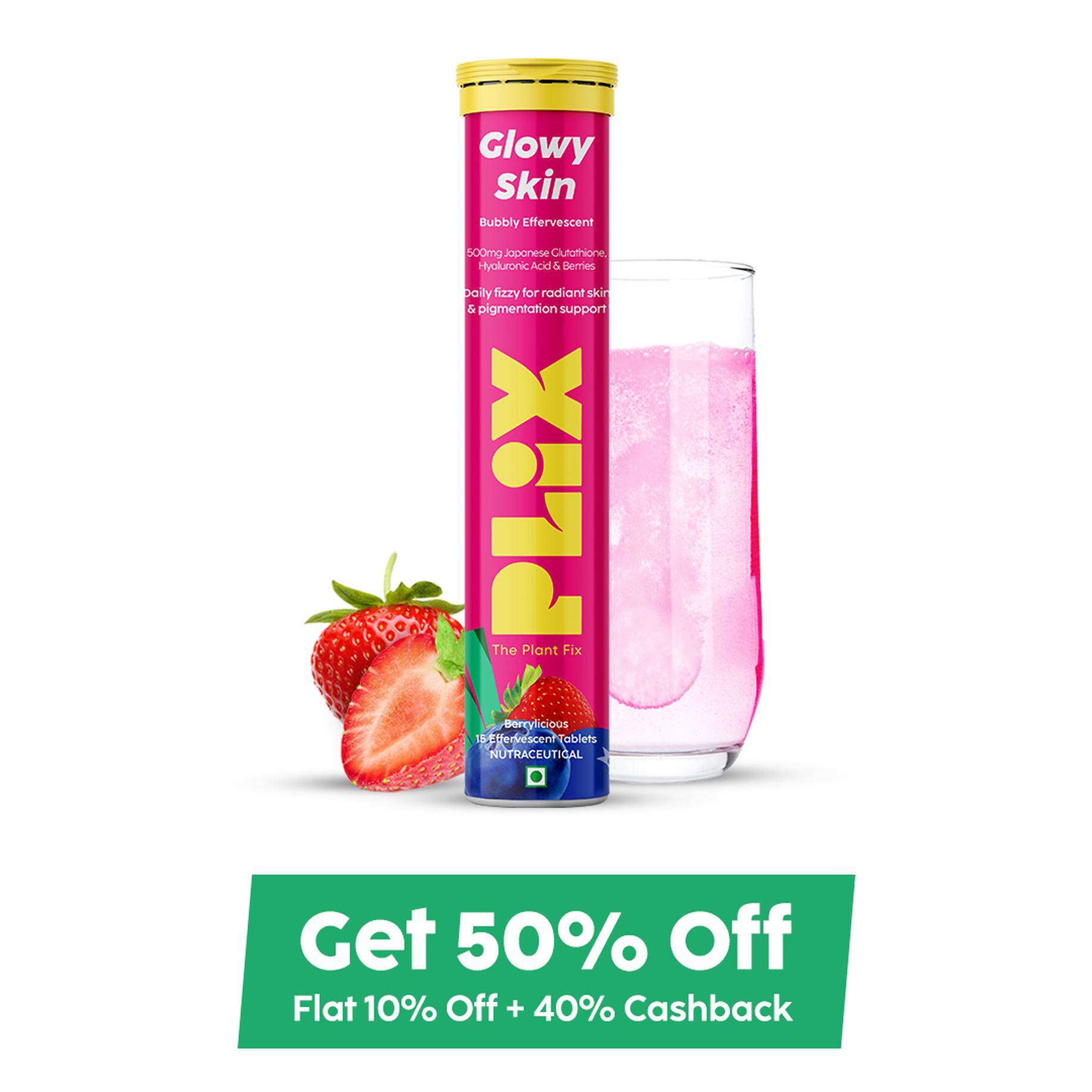
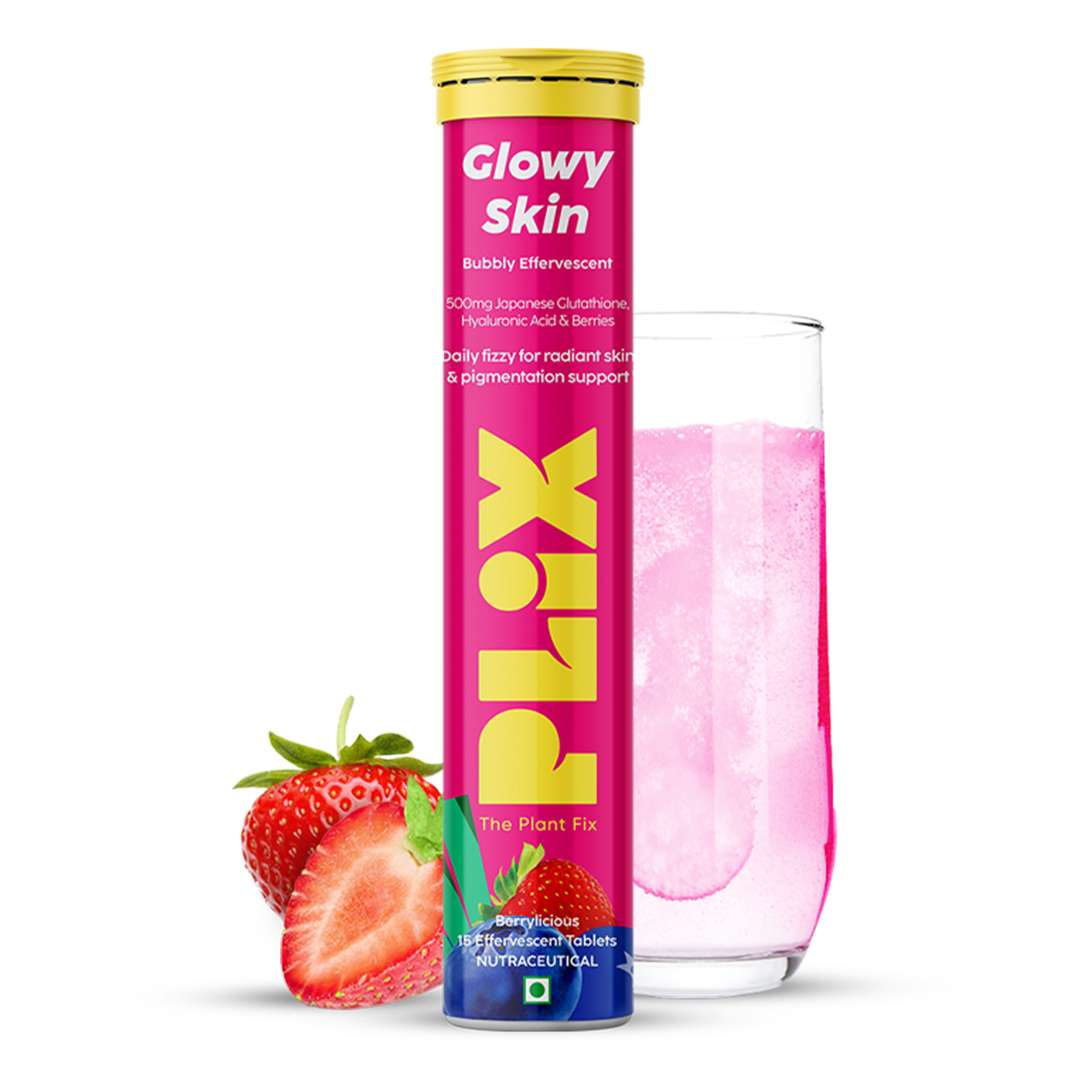
A plant-based effervescent tablet with 500 mg L-Glutathione provides the clinically studied dose in a convenient format. Consistency over weeks delivers better outcomes than sporadic high doses.
How to Support Your Glutathione Levels Naturally
Supplementation works best when combined with smart lifestyle habits:
- Eat sulphur-rich foods like broccoli, spinach, garlic, and avocado to support natural glutathione production
- Pair your glutathione supplement with a vitamin C serum or vitamin C supplement for enhanced antioxidant recycling
- Manage stress through regular exercise and adequate sleep
- Avoid smoking and limit alcohol intake, both of which deplete glutathione. There is a longer list of foods, habits, and medications worth being aware of. Read our complete guide on what to avoid when taking glutathione tablets to make sure your routine is working for you, not against you.
- Apply sunscreen daily to protect skin from UV-induced oxidative stress
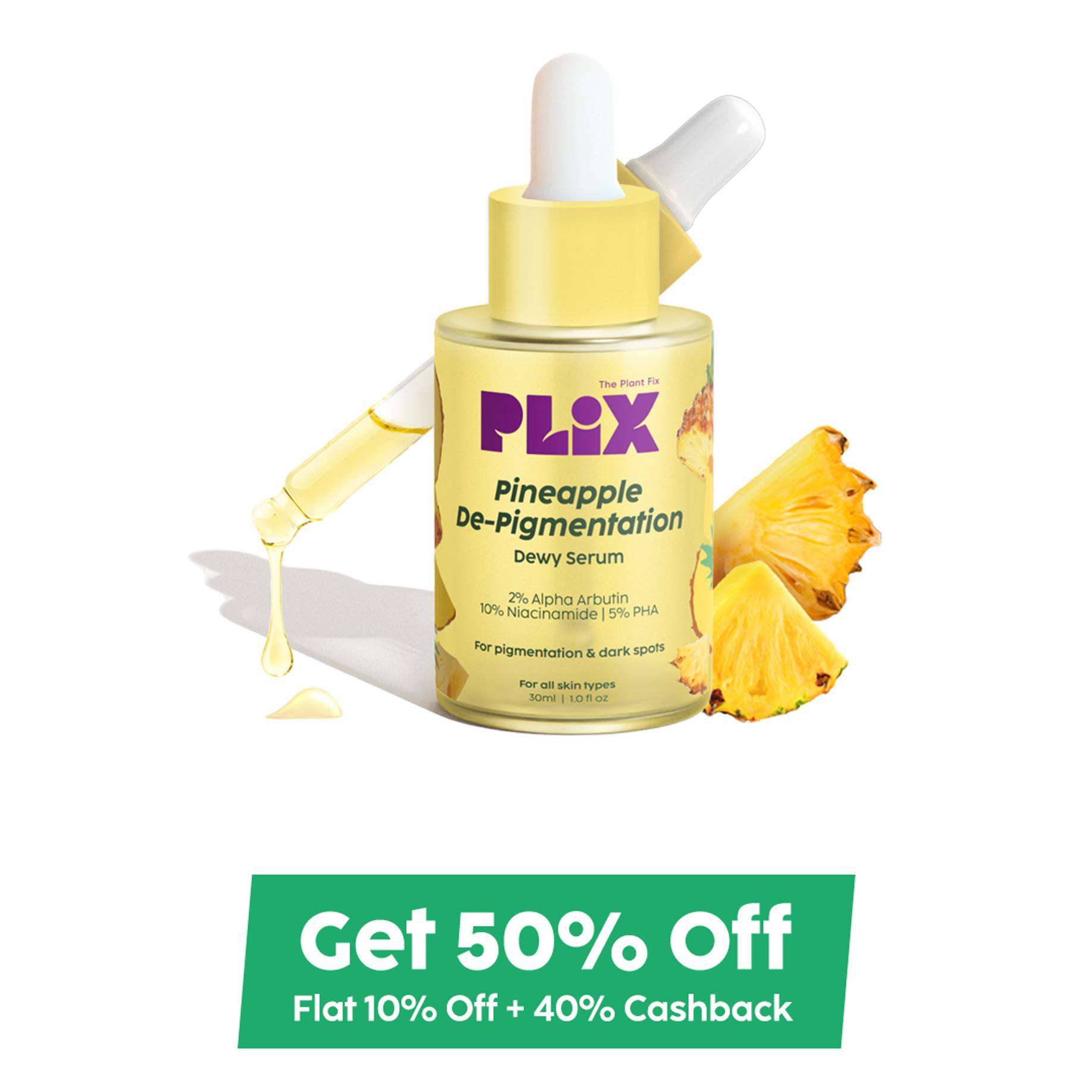
Pairing internal supplementation with a topical depigmentation serum with alpha arbutin can further support a bright complexion from the outside while glutathione works from within.
Your Skin and Wellness Deserve a Safer Approach
Now that you know the key differences between glutathione tablets and glutathione injections, the safer path is clear. Oral glutathione supplements provide a gentle, effective way to build your body’s antioxidant reserves without injection risks. Pair your supplement with a balanced diet, consistent skincare, and healthy habits for brighter, healthier skin.
Take care, have fun!
FAQs
What is the difference between glutathione tablets and glutathione injections?
Glutathione tablets are taken orally and build intracellular glutathione levels gradually over weeks. Glutathione injections deliver the antioxidant directly into the bloodstream for an immediate but temporary spike. Tablets support the body’s natural production pathways, while injections do not.
Are glutathione tablets safer than glutathione injections?
Yes, glutathione tablets have a significantly better safety profile. Oral supplements do not require medical supervision and carry minimal side effects. Injections pose risks such as infection, vein irritation, anaphylaxis, and dosage errors.
How long do glutathione tablets take to show results?
Most people notice visible improvements in skin clarity and energy within 4 to 8 weeks of consistent daily use. Unlike injections that offer short-lived effects, skin brightening supplements build cumulative benefits over time.
What is the recommended glutathione dosage for oral supplements?
The commonly studied oral glutathione dosage ranges from 250 to 500 mg per day. Combining glutathione with vitamin C or NAC improves absorption. Always follow the dosage guidelines on your chosen supplement.
Can glutathione tablets help reduce pigmentation and dark spots?
Glutathione supports a more even skin tone by regulating melanin production and inhibiting tyrosinase activity. Consistent oral supplementation can reduce the appearance of dark spots over time. Pairing with a topical pigmentation serum may enhance visible results.
What foods naturally support glutathione production?
Sulphur-rich foods like broccoli, spinach, garlic, and avocado provide the building blocks for glutathione synthesis. Asparagus, oranges, and walnuts also contribute. A nutritious diet supports production, but supplementation helps bridge the gap during periods of stress or high environmental exposure.