How Apple Cider Vinegar Helps Control Cravings


Struggling with random hunger pangs and snack cravings throughout the day? Appetite control is one of the biggest challenges on any weight management journey. Apple cider vinegar (ACV) has gained popularity as a natural way to help control cravings, support satiety, and promote healthier eating habits. Here is everything you need to know about how ACV works and why a fizzy drink before meals can make a real difference.
What Is Apple Cider Vinegar?
Apple cider vinegar is a fermented liquid made from crushed apples, yeast, and bacteria. During fermentation, natural sugars convert into alcohol, and a second fermentation process turns that alcohol into acetic acid, the primary active compound responsible for most of ACV’s health benefits.
The Role of Acetic Acid
Acetic acid makes up about 5% to 6% of apple cider vinegar. Research suggests that acetic acid can help support healthy blood sugar levels, promote feelings of fullness, and aid in overall weight management when combined with a balanced diet and exercise.
What Is “The Mother” in ACV?
Raw, unfiltered apple cider vinegar contains a cloudy substance known as “the mother.” The mother is a colony of beneficial bacteria, enzymes, and proteins formed during fermentation. ACV with the mother is considered more nutritious because of these naturally occurring probiotics, which can support gut health and digestion. When choosing an apple cider vinegar supplement, look for one that includes the mother for added benefits.
How Does Apple Cider Vinegar Help Control Cravings?
Apple cider vinegar helps control cravings through multiple mechanisms, primarily driven by acetic acid. Here are the key ways ACV supports appetite control.
Supports Satiety After Meals
One of the most well-studied effects of ACV is its ability to increase feelings of fullness after eating. A 2025 meta-analysis of 10 randomized controlled trials involving 789 participants, published in the journal Nutrients, found that daily apple cider vinegar intake was associated with significant reductions in body weight, BMI, and waist circumference. ACV can help you stay satisfied for longer, reducing the urge to snack between meals.
Helps Manage Blood Sugar Levels
Blood sugar spikes and crashes are a major driver of food cravings, especially for sugary snacks and refined carbohydrates. Acetic acid in ACV can help lower post-meal blood sugar and insulin responses by slowing the absorption of glucose from food. Stable blood sugar means fewer sudden hunger pangs, making a plant-based weight management supplement with ACV a smart addition to your daily routine.
Slows Gastric Emptying
ACV slows down the rate at which food moves from the stomach to the small intestine, a process called gastric emptying. When food stays in the stomach longer, you feel full for an extended period. Slower digestion also means a more gradual release of glucose into the bloodstream, which further supports stable energy levels and reduces cravings. This is also why ACV is so effective at combating mid-afternoon energy slumps caused by blood sugar crashes.
How to Use Apple Cider Vinegar for Appetite Control
Getting the most out of ACV for craving control depends on timing, dosage, and form. Here are practical tips to make ACV part of your daily wellness routine.
When to Take ACV for Cravings
For appetite control, consuming ACV about 15 to 30 minutes before meals can help promote satiety and support a healthy blood sugar response. You can take it once before lunch and once before dinner for consistent results. A balanced diet and regular physical activity alongside ACV consumption will support your weight management goals more effectively.
ACV Effervescent Tablets vs Liquid
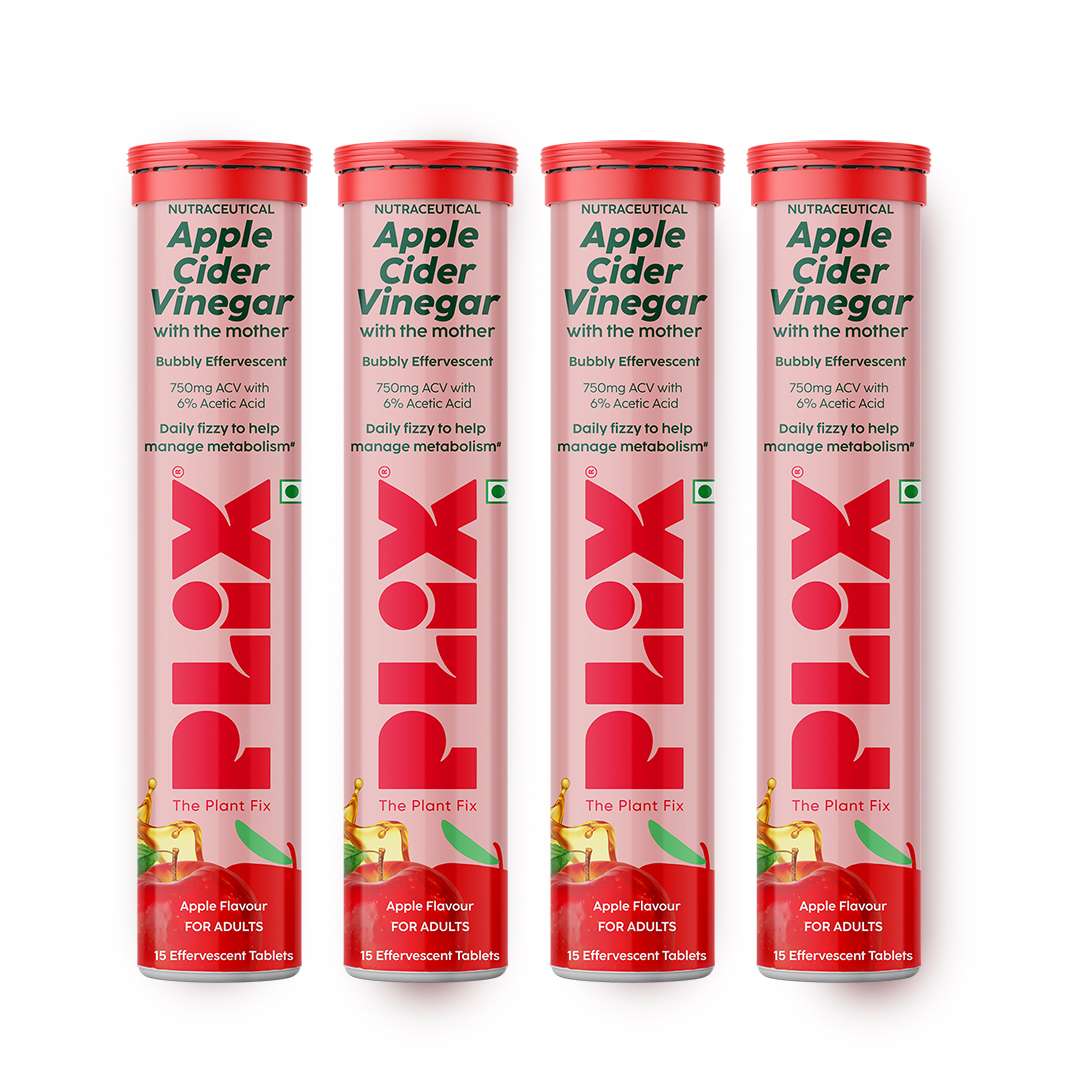
Liquid ACV has a strong, sour taste that many people struggle with, and the high acidity can irritate the throat and erode tooth enamel over time. ACV effervescent tablets offer a convenient, enjoyable alternative. Drop a tablet in cold water, let it fizz, and sip. Effervescent tablets deliver a precise dose per serving, eliminate the harsh vinegar taste, and are gentler on teeth and throat.
Other Benefits of Apple Cider Vinegar for Weight Management
Beyond craving control, ACV offers several additional benefits that support a healthy weight management journey:
- Supports healthy digestion and reduces occasional bloating
- Contains natural probiotics from “the mother” that promote gut health
- May help support healthy cholesterol levels when combined with a balanced diet
- Provides a refreshing, low-calorie alternative to sugary beverages
- Pairs well with other fat-burning supplements for enhanced results
If you’re looking for a more structured routine, a natural ACV detox can be a great way to kick-start your wellness goals and build lasting habits around apple cider vinegar.
L-Carnitine helps transport fatty acids to cells for energy conversion, while ACV supports appetite control and digestion. Together, they make an effective pairing for active individuals.
Your Next Step Toward Healthier Habits
Managing cravings does not have to feel like a constant battle. Apple cider vinegar, combined with a balanced diet and regular movement, can be a simple yet effective addition to your wellness routine. Whether you prefer a fizzy ACV tablet with the mother or a plant-based supplement, making ACV a daily habit supports big results. Take care, have fun!
FAQs
How much apple cider vinegar should I take daily for cravings?
A common recommendation is 1 to 2 tablespoons (15 to 30 ml) per day, diluted in water. If using effervescent tablets, follow the dosage instructions on the product. Start with a smaller amount and gradually increase.
Can apple cider vinegar replace meals for weight loss?
No. ACV is not a meal replacement. ACV works as a supportive addition to a balanced diet and active lifestyle. Skipping meals can lead to nutrient deficiencies and may worsen cravings over time.
When is the best time to drink apple cider vinegar for appetite control?
Consuming ACV 15 to 30 minutes before meals is considered most effective. A serving before lunch and dinner can help you feel fuller and reduce the urge to overeat.
Does apple cider vinegar reduce sugar cravings specifically?
ACV may help reduce sugar cravings by supporting stable blood sugar levels after meals. When blood sugar stays steady, the body is less likely to signal hunger or crave sugary foods.
Are ACV tablets as effective as liquid apple cider vinegar?
Quality ACV tablets delivering 500 to 700 mg of acetic acid per serving can provide similar benefits to liquid ACV, with added advantages of precise dosing, portability, and no risk of tooth enamel erosion.
Can I take apple cider vinegar on an empty stomach?
Some people tolerate ACV on an empty stomach, but consuming ACV closer to mealtime is generally better for comfort. If you experience nausea, try switching to effervescent tablets diluted in water.