Best Products to Combat Dark Spots and Skin Pigmentation


Dark spots and skin pigmentation affect nearly everyone at some point. Whether caused by sun exposure, acne scars, or hormonal changes, uneven skin tone can feel frustrating. Choosing the right skincare products with proven active ingredients can visibly reduce dark spots and help you achieve a brighter, more even complexion.
What Causes Dark Spots and Skin Pigmentation?
Dark spots and skin pigmentation develop when your skin produces excess melanin. Melanin is the natural pigment responsible for skin colour, and certain triggers cause overproduction in specific areas. Understanding the root cause helps you pick the right products and prevent new spots from forming.
Common Triggers of Hyperpigmentation
Several everyday factors lead to dark spots and uneven skin tone:
- UV Exposure: Sun exposure stimulates melanocytes, causing excess melanin production. Existing spots darken further without protection.
- Post-Inflammatory Hyperpigmentation (PIH): Acne, cuts, or insect bites leave dark marks as the skin heals.
- Hormonal Changes: Pregnancy, birth control, and hormone therapy can trigger melasma, which appears as patches on the face.
- Aging: Skin loses its ability to regulate melanin evenly over time, resulting in age spots on the face, neck, and hands.
Once you identify the cause, selecting products with clinically backed ingredients that target melanin production and promote cell turnover becomes much easier.
Best Skincare Ingredients That Fade Dark Spots
Not all ingredients work the same way. Some block melanin production, while others promote exfoliation to reveal fresher skin underneath. Here are the most effective actives for dark spot products.
Alpha Arbutin
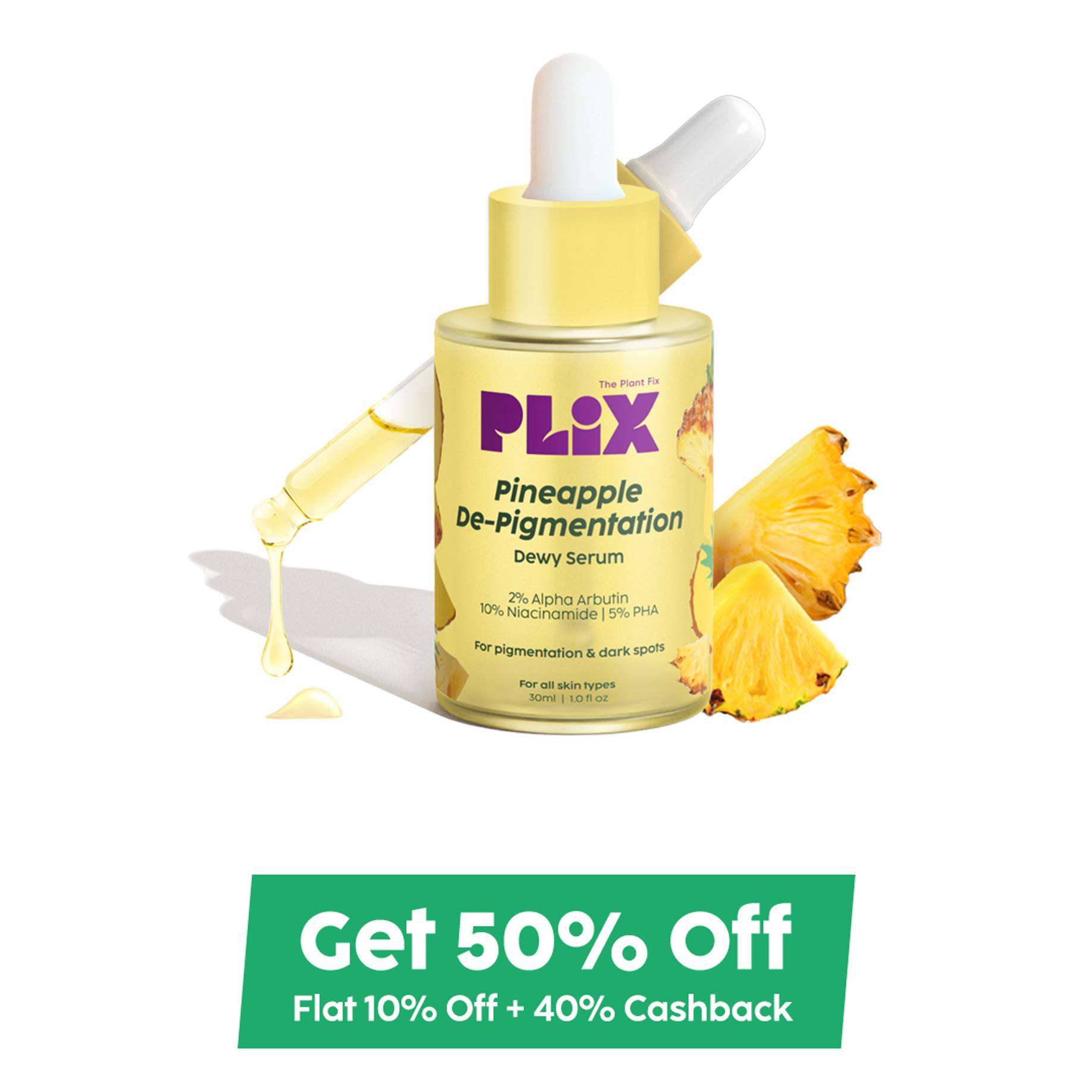
Alpha arbutin is a naturally derived ingredient sourced from bearberry plants. Alpha arbutin inhibits tyrosinase, the enzyme responsible for melanin production in the skin. Unlike harsher alternatives, alpha arbutin is gentle enough for daily use on all skin types. A depigmentation serum combining 2% alpha arbutin with niacinamide can deliver visible results in lightening dark spots within 4 to 6 weeks of consistent use.
Niacinamide (Vitamin B3)
Niacinamide is a versatile ingredient that supports skin brightening, barrier repair, and oil control. A study published in the British Journal of Dermatology found that niacinamide achieved 35 to 68% inhibition of melanosome transfer from melanocytes to keratinocytes. In simple terms, niacinamide prevents melanin from reaching the skin’s surface, reducing the visibility of dark spots over time. Pairing niacinamide with alpha arbutin amplifies results, as both target different stages of the pigmentation process.
Vitamin C
Vitamin C is a potent antioxidant that brightens skin and helps fade dark spots. Vitamin C neutralises free radicals caused by UV rays and pollution while also inhibiting melanin production. A brightening serum with vitamin C can reduce dullness, even out skin tone, and promote collagen synthesis for smoother, more radiant skin.
AHAs (Alpha Hydroxy Acids)
AHAs like glycolic acid and lactic acid are chemical exfoliants derived from natural sources such as sugarcane and fruits. AHAs dissolve the bonds between dead skin cells, promoting cell turnover and revealing fresher, brighter skin beneath. A brightening face wash containing a fruit mix of AHA and BHA can fade pigmentation marks while keeping pores clean.
Glutathione
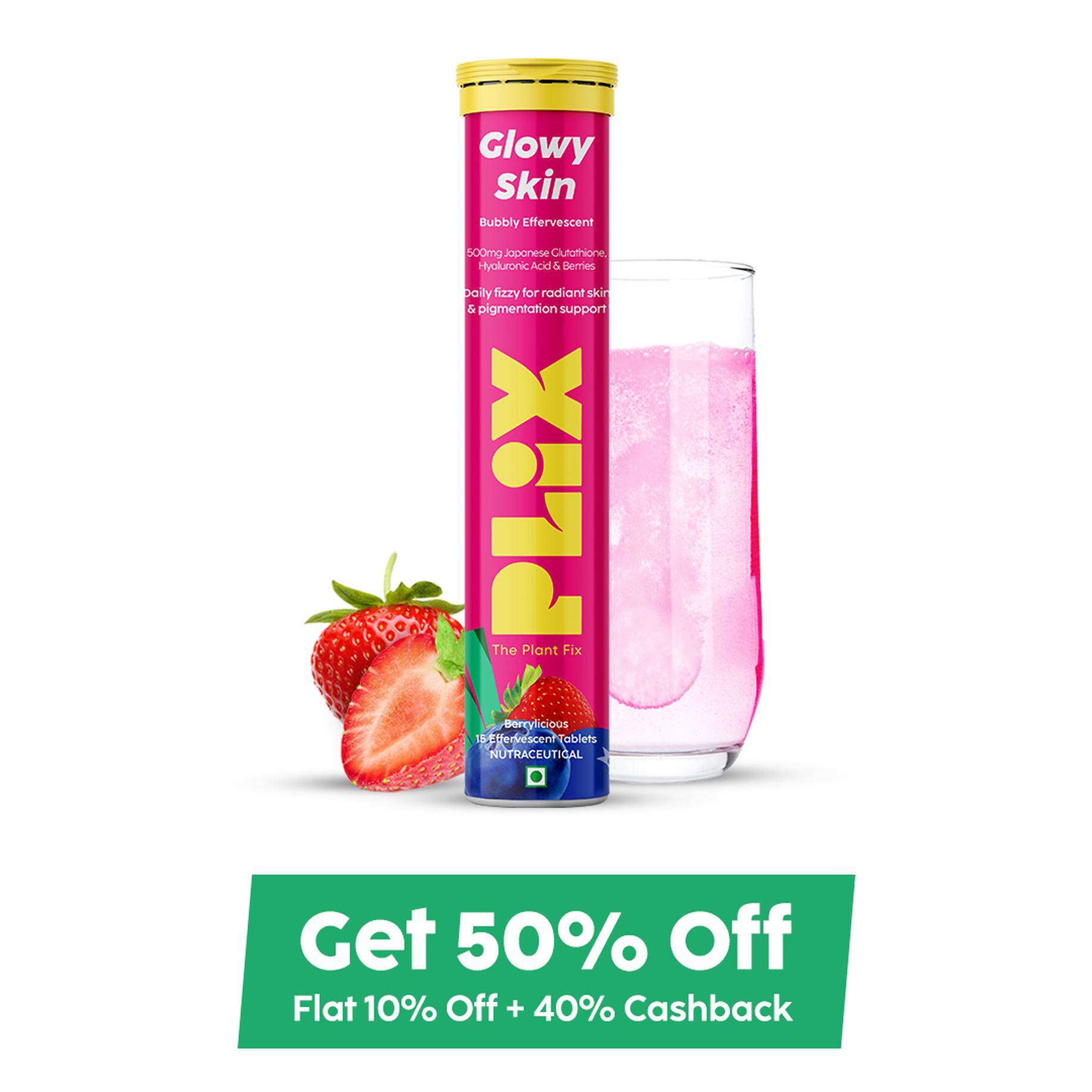
Glutathione is a powerful antioxidant naturally produced by the body. Glutathione supports skin brightening by managing melanin production at a cellular level and fighting oxidative stress. Oral supplementation with skin glow effervescent tablets containing 500 mg L-Glutathione, Hyaluronic Acid, and Vitamin E can complement your topical skincare for a more even complexion from the inside out.
How to Build a Skincare Routine for Dark Spots and Pigmentation
A consistent, well-layered skincare routine is the foundation of fading dark spots. Each step helps active ingredients work more effectively.
Step 1: Cleanse With a Brightening Face Wash
Start with a gentle cleanser that targets pigmentation. A face wash for dark spots with niacinamide, fruit mix AHA, and BHA exfoliates dead skin cells, reduces dullness, and preps skin for better serum absorption.
Step 2: Apply a Targeted Serum
After cleansing, apply a serum that directly addresses pigmentation. A face serum for pigmentation with alpha arbutin and niacinamide controls melanin production and visibly lightens dark spots. Apply 2 to 3 drops on clean skin and massage gently in circular motions.
Step 3: Moisturise and Protect
Lock in serum benefits with a moisturizer for dark spots containing depigmenting actives like alpha arbutin and SymWhite PLUS. A good moisturizer retains hydration and keeps your skin barrier strong.
Step 4: Never Skip Sunscreen
Sunscreen is non-negotiable when treating dark spots and skin pigmentation. UV exposure triggers melanin overproduction and can reverse the progress of your entire skincare routine. Use a broad-spectrum sunscreen with SPF 30 or higher every single day, even on cloudy days.
Your Brighter Skin Journey Starts Here
Achieving an even, radiant skin tone does not have to be complicated. With the right plant-based, clinically backed products, you can visibly reduce dark spots and embrace a more confident complexion. Start your depigmentation skincare routine today and enjoy the journey to brighter skin.
Take care, have fun!
FAQs
What is the best ingredient for dark spots and pigmentation?
Alpha arbutin and niacinamide are among the most effective. Alpha arbutin inhibits melanin production at its source, while niacinamide blocks melanin transfer to the skin’s surface. Together, they target pigmentation through complementary pathways.
Can vitamin C help reduce dark spots on the face?
Yes. Vitamin C is a potent antioxidant that inhibits melanin production, brightens dull skin, and protects against free radical damage from UV exposure and pollution.
How long does it take for dark spots to fade with skincare products?
Surface-level dark spots typically take 6 to 12 weeks to fade noticeably. Deeper pigmentation may require 3 to 6 months of regular treatment with actives like alpha arbutin, niacinamide, and vitamin C.
Is niacinamide or vitamin C better for hyperpigmentation?
Both are effective but work differently. Niacinamide inhibits melanosome transfer, while vitamin C directly reduces melanin production and neutralises oxidative damage. Using vitamin C in the morning and niacinamide in the evening provides comprehensive brightening benefits.
Do oral supplements help with skin pigmentation?
Oral supplements containing glutathione can support skin brightening from the inside. Glutathione manages melanin production at a cellular level. Pairing oral supplementation with topical serums and sunscreen delivers a more holistic approach to fading pigmentation.
Can dark spots come back after treatment?
Yes, dark spots can return if the underlying trigger is not addressed. Continued sun exposure, hormonal fluctuations, or skin injuries can cause new spots. Maintaining a consistent skincare routine with sun protection and brightening actives helps prevent recurrence.