Why Am I Not Losing Weight Even Though I Exercise Daily

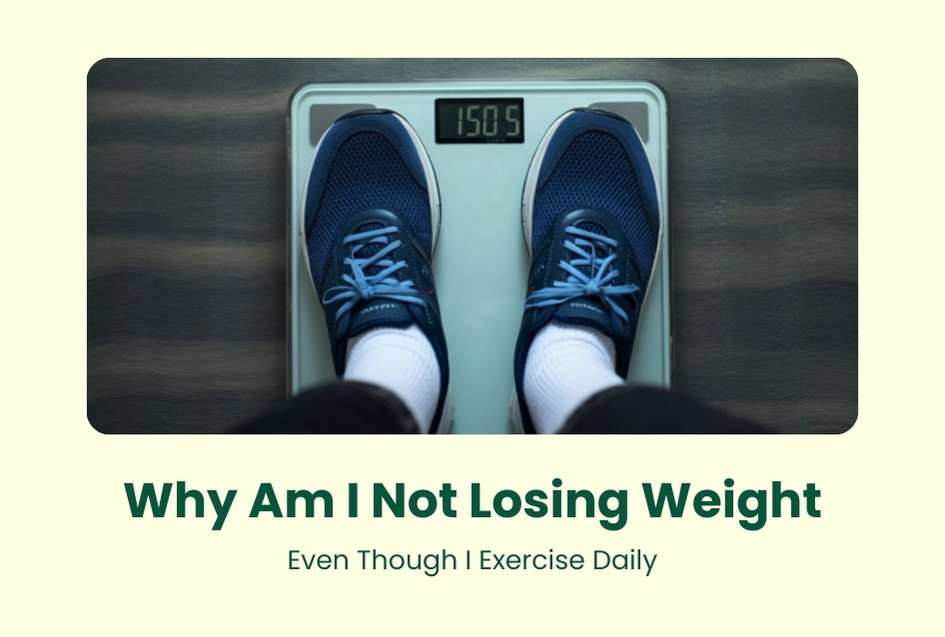
You’re showing up to the gym consistently. You’re sweating through every session. Yet the scale refuses to move.
Not losing weight with exercise frustrates millions. Your body doesn’t work on simple math. Hormones regulate fat storage, sleep influences hunger signals, and stress alters how your body utilizes energy. Many people experience exercise not working despite their best efforts.
Understanding your weight loss plateau becomes crucial. Let’s break down exactly why weight loss stopped and how to fix it.
Why Am I Not Losing Weight Despite Exercising
Exercise not working for weight loss comes down to several biological factors working against you. Your body is complex, and multiple systems determine whether you burn fat or stay stuck at a weight loss plateau.
Your Body Became Efficient at Your Workouts
What’s happening: Your body adapts to repeated exercises. Research in the journal Obesity shows resting metabolic rate can drop by 500 calories per day during sustained diets. What once burned 400 calories now burns 250.
What to do: Change your workout every 4-6 weeks. Switch between cardio and strength training. Add HIIT sessions. Use heavier weights. Keep your body guessing.
Stress Hormones Are Storing Belly Fat
What’s happening: Chronic stress spikes cortisol levels. Studies in the National Library of Medicine prove that high cortisol increases visceral belly fat, even with regular exercise. Intense workouts without recovery, work pressure, and inadequate sleep keep cortisol elevated.
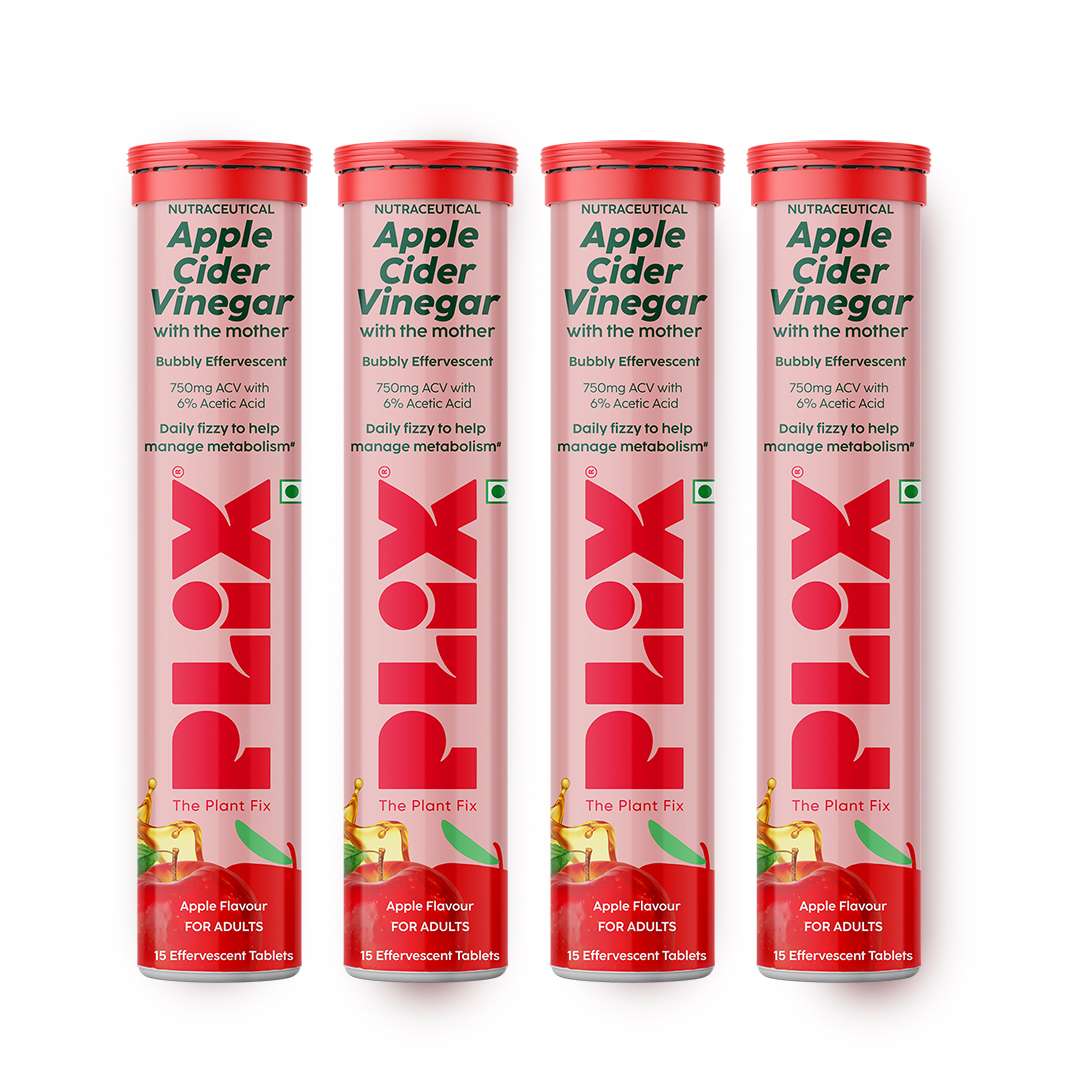
What to do: Schedule complete rest days. Practice meditation for 10 minutes daily. Get 7-9 hours of sleep consistently. Plix Apple Cider Vinegar Effervescent helps regulate blood sugar and reduces cortisol-driven cravings.
You’re Losing Muscle Instead of Fat
What’s happening: During weight loss plateau situations, your body breaks down both fat and muscle. You need 1.6-2.2 grams of protein per kilogram of body weight. Without enough protein, muscle loss dramatically slows your metabolism slow dramatically.
What to do: Eat protein with every meal. Choose lean meats, fish, eggs, Greek yogurt, or plant-based sources. Aim for 1.6-2.2g per kg daily.
Poor Sleep Destroys Fat Loss
What’s happening: Research in the Annals of Internal Medicine compared two groups on identical diets. Those sleeping 5.5 hours lost 55% less body fat than those sleeping 8.5 hours. Sleep controls ghrelin (hunger), leptin (fullness), and cortisol (fat storage).
What to do: Prioritize 7-9 hours nightly. Keep consistent sleep schedules. Avoid screens before bed. Make your bedroom cool and dark.
You’re Eating Back All the Calories You Burned
What’s happening: Studies in the International Journal of Obesity reveal people overestimate calories burned by 3-4 times and underestimate food intake by 30-50%. A post-workout smoothie contains 500-600 calories, while a 30-minute run burns only 250-300 calories.
What to do: Track everything you eat for one week. Be honest about portions. Skip fancy post-workout drinks. Stick to water and whole foods.
Your Daily Movement Dropped
What’s happening: Exercise accounts for only 15-30% of daily calorie burn. When you work out hard, you often compensate by sitting more, walking less, and resting more. Your total daily burn drops.
What to do: Add 2,000-3,000 steps beyond your baseline. Take the stairs instead of the elevators. Stand while working. Walk during phone calls.
You’re Training Too Much Without Recovery
What’s happening: Overtraining keeps stress hormones elevated. Your body can’t enter the fat-burning hormonal state. Exercise not working often signals too much training, not too little.
What to do: Plan deload weeks every 4-6 weeks, where you reduce intensity by 40-50%. Take 1-2 complete rest days weekly. Plix Guava Glow Dewy Serum contains antioxidants supporting wellness during transformation.
Your Nutrition Timing Is Off
What’s happening: Just eating less makes your body adapt by slowing your metabolism slow response. Nutrient timing and composition matter more than total calories.
What to do: Eat protein with every meal (1.6-2.2g per kg). Load vegetables for volume without excess calories. Higher carbs on training days, lower on rest days. Plix Garcinia Cambogia Fizz contains HCA, which may help reduce appetite.
You Need Complete Exercise Variety
What’s happening: Repeating the same exercises makes your muscles efficient. Your body learns to perform movements using minimal energy, creating a weight loss plateau. When you’re not losing weight with exercise, adaptation is often the culprit.
What to do: Cardio lovers should add 2-3 strength training sessions weekly. Weight lifters should add HIIT 1-2 times weekly. Change exercise types every 4-6 weeks.
Summary
Not losing weight with exercise goes beyond calories. Your hormones determine whether workouts lead to fat loss or a weight loss plateau. Your body adapts to repeated workouts, burning fewer calories. Chronic stress keeps cortisol elevated, storing belly fat. Inadequate sleep disrupts hunger hormones. Low protein causes muscle loss, making your metabolism slow. Liquid calories cancel out workout burns.
Poor recovery prevents fat-burning hormonal states. Breaking through when weight loss stopped becomes clear requires multiple changes. Optimize nutrition with adequate protein. Prioritize 7-9 hours of sleep. Manage stress through recovery and relaxation. Change your exercise routine every 4-6 weeks. Increase daily movement outside workouts.
Ready to Break Your Weight Loss Plateau
Stop struggling with exercise not working and not losing weight with exercise. Visit Plix Build Your Box to create your customized supplement bundle supporting metabolism, balancing stress hormones, and achieving weight loss results.
FAQs
Why am I not losing weight when I exercise every day
Daily exercise not working happens when cortisol stays elevated, hunger hormones get disrupted, and metabolic adaptation occurs. Your body burns fewer calories doing identical activities over time. Many people unconsciously eat more or move less throughout the day, creating a weight loss plateau.
How long does a weight loss plateau typically last
Most plateaus last 2-6 weeks while your body adjusts. Plateaus beyond 6 weeks signal you need changes to your routine, calorie intake, or recovery protocols. A strategic 1-2 week diet break at maintenance calories often restarts fat loss.
Can excessive exercise hinder weight loss?
Absolutely. Overtraining causes a weight loss plateau by keeping cortisol elevated, disrupting sleep quality, and affecting your metabolism. Exercise creates beneficial stress, but excessive training without recovery produces the opposite hormonal environment for fat loss.
What should I do if why the weight loss stopped isn’t clear
Take a 1-2 week diet break, eating at maintenance calories. Then reassess everything. Verify you’re tracking food intake accurately, getting 7-9 hours of sleep nightly, managing stress effectively, and eating adequate protein. Introduce completely new exercise types.
How does stress affect weight loss despite exercising regularly
Chronic stress elevates cortisol, increasing abdominal fat storage, triggering sugar cravings, disrupting sleep, and reducing metabolic rate by hundreds of calories daily. Managing stress through sleep, recovery, and relaxation becomes as important as workouts for weight loss success.