What Supplements Should I Take If I Can’t Sleep and Keep Waking Up at Night

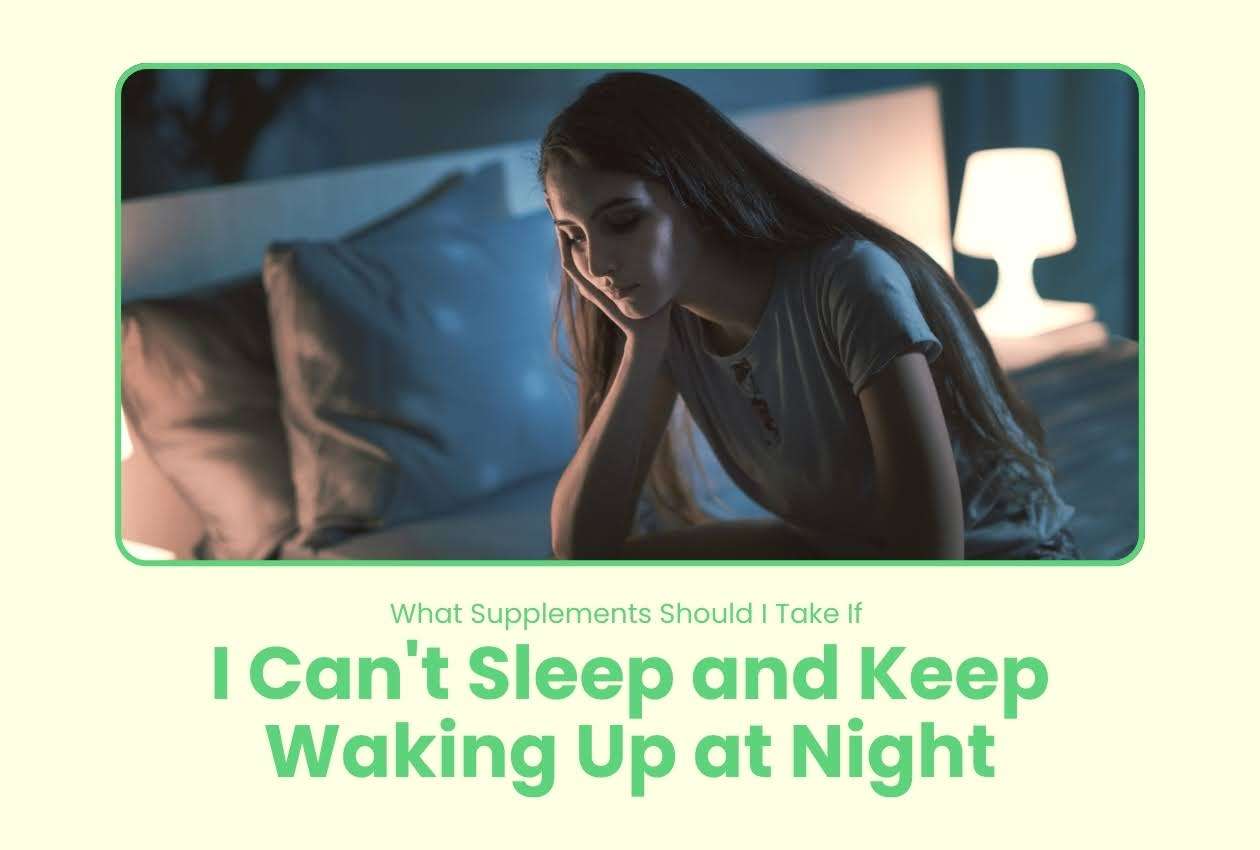
Waking up at 2 AM, then 4 AM, then again at 5:30, staring at the ceiling, watching the clock tick closer to your alarm. Sound familiar?
Sleep disruptions leave you feeling like you’re running on empty, affecting everything from your mood to your ability to focus at work. You’ve tried counting sheep, meditation apps, and blackout curtains, but nothing seems to stick. Before you resign yourself to a lifetime of exhaustion, natural sleep supplements might offer the gentle support your body needs.
Certain nutrients and plant-based ingredients can help calm your nervous system, regulate your sleep-wake cycle, and improve sleep quality without the grogginess that comes with prescription sleep aids. Let’s explore what actually works.
Why You’re Waking Up at Night (And How Supplements Can Help)
Sleep problems rarely happen in a vacuum. Usually, something’s out of balance in your body.
Stress keeps cortisol levels elevated when they should be dropping at night. Nutrient deficiencies leave your nervous system overstimulated. Irregular sleep schedules confuse your internal clock. Hormonal shifts during menstruation or menopause disrupt everything.
When your body lacks certain vitamins and minerals, or when stress hormones refuse to calm down, falling and staying asleep becomes a nightly battle.
Natural sleep supplements work by addressing these underlying issues. Some help boost calming neurotransmitters like GABA and serotonin. Others regulate melatonin production to align your internal clock. Many reduce cortisol levels, helping your body shift from alert mode to rest mode.
Research published in Nutrients found that magnesium supplementation significantly improves subjective measures of insomnia, including sleep efficiency, sleep time, and early morning awakening. Another study in PLOS ONE demonstrated that ashwagandha root extract improves sleep quality and helps manage insomnia, particularly in people dealing with stress and anxiety.
The Best Supplements for Sleep Problems
Not all sleep supplements work the same way or suit everyone equally. Here’s what actually makes a difference, backed by science and real-world results.
Magnesium: The Relaxation Mineral
Magnesium supports over 300 enzymatic reactions in your body, including those that regulate sleep. Many people don’t get enough through diet alone, which can lead to restless nights and muscle tension.
Magnesium glycinate is particularly effective for sleep because of how it calms the nervous system and promotes muscle relaxation. Taking 200-400mg before bed can help reduce nighttime waking and improve deep sleep quality, the kind that actually leaves you feeling refreshed.
Melatonin: Resetting Your Internal Clock
Melatonin is a hormone your body naturally produces when darkness falls, signaling that sleep time is approaching. Modern life with screens, artificial lighting, and irregular schedules often disrupts this natural rhythm.
Supplementing with 0.5-3mg about 30 minutes before bed can help reset disrupted sleep cycles. Melatonin is especially helpful for shift workers, frequent travelers dealing with jet lag, or anyone whose sleep schedule has gotten completely off track.
Ashwagandha: Stress Relief for Better Sleep
Ashwagandha is an adaptogenic herb that helps lower cortisol levels, reducing the stress and anxiety that interfere with sleep. When your mind won’t stop racing at bedtime, elevated cortisol is often the culprit.
A dose of 300-500mg taken in the evening supports relaxation without causing morning grogginess. Unlike sedatives that knock you out, ashwagandha works with your body’s natural systems to restore balance over time.
L-Theanine: Calm Without Drowsiness
Found naturally in tea leaves, L-theanine promotes relaxation without sedation. L-theanine increases alpha brain waves associated with calm alertness and helps balance neurotransmitters. Taking 100-200mg before bed can ease racing thoughts and help you fall asleep more peacefully.
Glycine: Cooling Down for Sleep
Glycine is an amino acid that lowers core body temperature, a necessary physiological signal for sleep initiation. Your body naturally cools down at night, and glycine helps facilitate this process. A dose of 3g before bed can help you fall asleep faster and wake feeling more refreshed.
Vitamin D: The Overlooked Sleep Factor
Low vitamin D levels are linked to poor sleep quality and frequent waking, yet many people are deficient without knowing it. Vitamin D influences sleep-regulating hormones and neurotransmitters throughout your body. If you have limited sun exposure, especially common during winter months, supplementing with 1000-2000 IU daily can support better sleep patterns over time.
How to Use Sleep Supplements Correctly
Smart supplementation requires a bit of strategy, not just throwing supplements at the problem.
Start with one supplement at a time to identify what works best for your body. Take supplements 30-60 minutes before your desired bedtime. Always follow recommended dosages; more is not always better with sleep aids.
Create a consistent bedtime routine that includes your supplement. Pair supplementation with good sleep hygiene, like dimming lights, reducing screen time, and keeping your bedroom cool. Give supplements at least two weeks to show full effects, as some work gradually.
Avoid combining multiple sedating supplements without consulting a healthcare provider. Even natural supplements can interact with medications or health conditions.
Who Should Consider Sleep Supplements
Sleep supplements are suitable for adults experiencing occasional sleeplessness, stress-related sleep disruptions, or irregular sleep schedules. Natural supplements offer gentle support without the harsh side effects common with prescription sleep medications.
People sensitive to medications often prefer natural sleep aids because formulations tend to be gentler and don’t create dependency. However, even natural supplements can interact with certain medications or health conditions.
Anyone with chronic insomnia, defined as sleep problems occurring at least three nights per week for three months or more, should work with a healthcare provider to identify underlying causes rather than relying solely on supplements.
Building Better Sleep Starting Tonight
Sleep supplements offer natural support for falling asleep and staying asleep through the night. Magnesium, melatonin, ashwagandha, L-theanine, glycine, and vitamin D each work through different mechanisms to promote restful sleep.
Starting with magnesium or melatonin is often a good first step, as both are well-researched and generally well-tolerated. Combining supplements with healthy sleep habits creates the best foundation for consistent, restorative sleep.
Plix offers sleep support solutions designed with your body’s natural rhythms in mind. Deep Sleep Mints provide a convenient way to support relaxation before bed, while KSM-66 Ashwagandha effervescent helps manage stress that interferes with sleep. All formulated to be lightweight, non-greasy, and gentle enough for daily use, helping nourish and revive your natural sleep cycle without harsh chemicals.
Ready to stop counting sheep and start actually sleeping? Natural support can help. Shop Plix Sleep Support and build your own box with Plix Life now.
FAQs
1. What is the safest sleep supplement to take every night?
Magnesium glycinate is one of the safest options for nightly use since it addresses a common nutritional gap while promoting relaxation without disrupting natural sleep hormone production.
2. Can I take melatonin every night for insomnia?
Melatonin works best for short-term use or circadian rhythm disruptions, as long-term supplementation may reduce your body’s natural production.
3. Which supplement works fastest for falling asleep?
Melatonin works fastest with effects felt within 30 minutes, while L-theanine acts within 30-60 minutes. Magnesium and ashwagandha require consistent use over several days.
4. Are natural sleep supplements habit-forming?
Most natural sleep supplements like magnesium, L-theanine, and ashwagandha are not habit-forming and don’t create dependency like prescription sleep medications.
5. Can I combine different sleep supplements?
Some combinations work well, such as magnesium with L-theanine. However, avoid stacking multiple sedating supplements without professional guidance and always start with one supplement first.