What is Fermented Yeast Protein? Complete Guide 2026


You have probably seen protein powders made from whey, pea, soy, and rice. But there is a newer option showing up on shelves that does not come from animals or traditional plants. Fermented yeast protein is made from a single-celled organism called Saccharomyces cerevisiae, the same type of yeast used in baking and brewing for centuries.
The difference? Through a controlled fermentation process, the protein is extracted, concentrated, and turned into a high-quality protein powder that checks a lot of boxes most other proteins miss.
How Fermented Yeast Protein Actually Works
Most people hear “yeast” and think of bread. But yeast cells are packed with protein, and when you ferment and process them the right way, you get something surprisingly powerful.
Where the Protein Comes From
Saccharomyces cerevisiae is a yeast strain that naturally contains a high concentration of protein. During fermentation, yeast cells multiply rapidly in a controlled environment using a plant-based growth medium. Once the cells reach peak protein content, the protein is extracted and dried into a fine powder. No animals, no farms, no seasonal harvests needed.
Why Fermentation Makes a Difference
Fermentation does more than just grow yeast. The process may help break down complex molecules and reduce anti-nutrients, potentially making the protein easier for your body to absorb. Fermented proteins tend to be gentler on the stomach, which is why many people enjoy fermented protein powder as their go-to daily protein source.
What Makes Fermented Yeast Protein a Complete Protein
Not all proteins are equal. The term “complete protein” means a protein source contains all nine essential amino acids.
All Nine Essential Amino Acids in One Source
Fermented yeast protein stands out because it delivers all nine essential amino acids from a single source: histidine, isoleucine, leucine, lysine, methionine, phenylalanine, threonine, tryptophan, and valine. While plant proteins like pea and rice work best when combined, fermented yeast protein gets there on its own.
A PDCAAS Score of 1
PDCAAS stands for Protein Digestibility Corrected Amino Acid Score. A score of 1 is the highest possible rating, meaning the protein provides 100% of the essential amino acids your body needs in a form it can actually digest. Whey, casein, and egg also score a 1. Most plant proteins score between 0.4 and 0.9. Fermented yeast protein hitting a perfect 1 puts it in a very small and elite category, especially for a non-animal source.
Key Benefits Worth Knowing About
Here is a quick look at what makes fermented yeast protein stand out from other options:
- Complete amino acid profile with all 9 essential amino acids
- PDCAAS score of 1, matching whey in protein quality
- May support easier digestion due to the fermentation process
- Vegan-friendly, with no dairy, soy, or gluten
- Sustainable production that requires less land and water than animal farming
- Contains natural fiber and B vitamins from the yeast itself
Who Should Consider Trying It
Fermented yeast protein may be a good fit if you fall into any of these categories:
- You want a single-source complete protein with all 9 essential amino acids
- You follow a vegetarian diet and want top-tier protein quality
- You care about sustainability and want a lower-impact protein source
- You want a clean protein powder without artificial sweeteners or fillers
How to Use Fermented Yeast Protein Daily
Adding fermented yeast protein to your routine is straightforward. Mix one scoop with 300 ml of cold water and shake for 15 to 20 seconds. You can also blend it into smoothies, oatmeal, or pancake batter.
Best Times to Take It
Post-workout is the most popular time since your muscles need amino acids for recovery. But you can also use it as a mid-morning snack, an afternoon pick-me-up, or blended into breakfast. Choosing the right protein supplement and staying consistent matter more than timing.
How Plix Makes Fermented Yeast Protein Simple
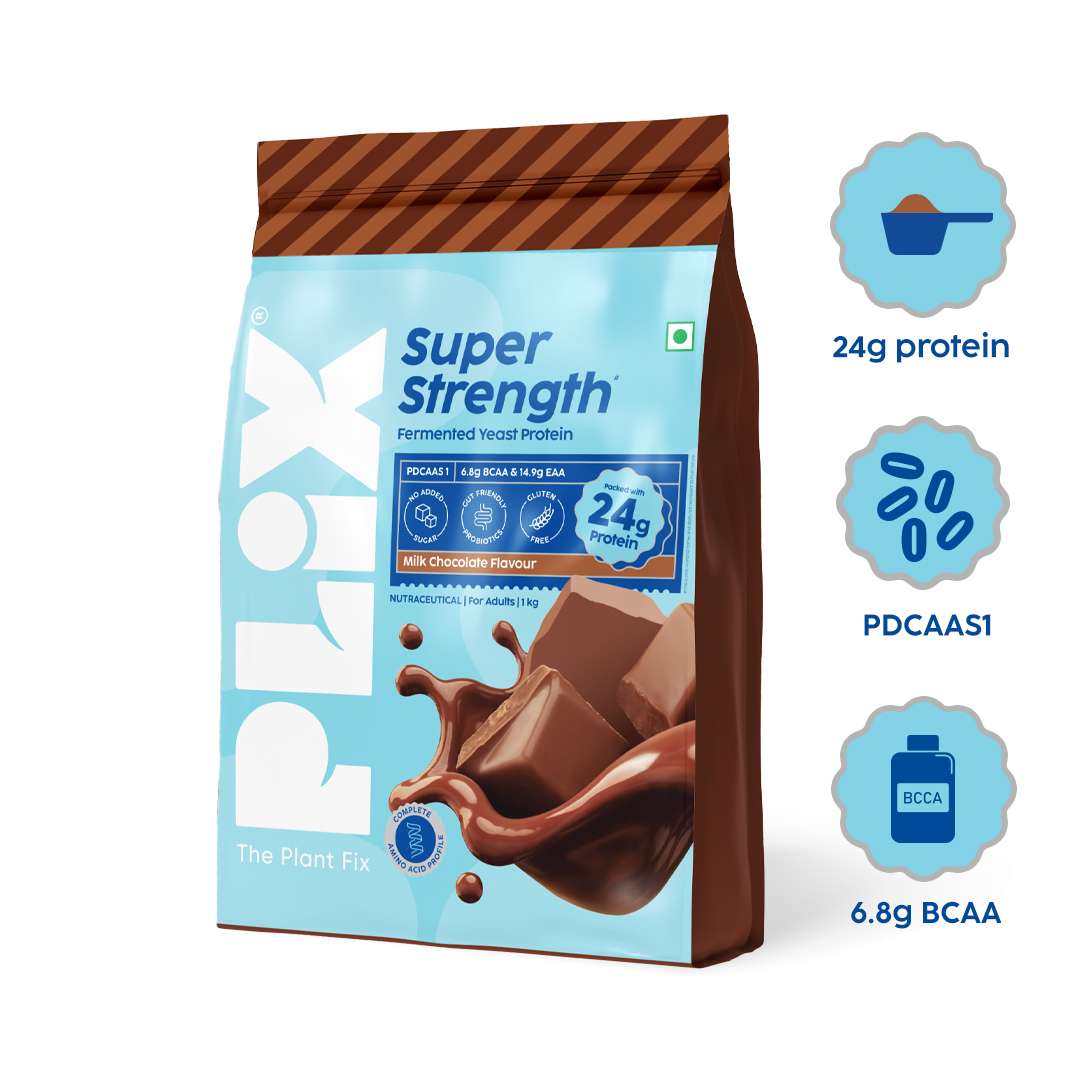
Plix Super Strength Fermented Yeast Protein delivers 24g of protein per serving with a PDCAAS score of 1. Each scoop includes digestive enzymes like papain and bromelain, the probiotic Bifidobacterium bifidum, and inulin fiber to support gut comfort. No artificial sweeteners, no maltodextrin, no thickening agents. Just clean, gut-friendly protein in a milk chocolate flavor that actually tastes good.
Take care, have fun!
Frequently Asked Questions
Does fermented yeast protein cause bloating?
Fermented yeast protein is generally well-tolerated and gentle on the stomach. The fermentation process may help break down compounds that are harder to digest, supporting comfortable digestion.
How much protein does one serving of fermented yeast protein provide?
A typical serving provides around 24g of protein, depending on the brand and formulation.
Is fermented yeast protein safe for people with yeast allergies?
People with known yeast sensitivities should consult a healthcare provider before trying fermented yeast protein, as the protein is derived from yeast cells.
Can fermented yeast protein replace whey protein?
For many people, yes. Fermented yeast protein matches whey in PDCAAS score and essential amino acid profile, making it a viable non-dairy alternative.
Does fermented yeast protein taste like yeast?
No. When properly formulated and flavored, fermented yeast protein has a neutral to mild taste that blends well with chocolate, vanilla, or fruit flavors.