Is Fermented Yeast Protein the Next Big Thing in Nutrition?


Every few years, a new protein source grabs the spotlight. Whey dominated for decades. Then plant proteins like pea and rice had their moment. Now, fermented yeast protein is starting to show up in headlines, supplement aisles, and gym conversations. But is it actually the next big thing, or just another trend that fades? Here is an honest look at what is driving the buzz and whether fermented yeast protein has the substance to back it up.
Why Fermented Yeast Protein is Getting Attention
Several shifts in consumer behavior and nutrition science are pushing fermented yeast protein into the spotlight.
People Want Comfortable Digestion from Their Protein
One of the top priorities for protein powder users is digestive comfort. Whey protein works well for many, and plant proteins bring their own strengths with fiber and nutrients. Fermented yeast protein adds another option to the mix. The fermentation process may help enhance digestibility, and many fermented yeast products include digestive enzymes and probiotics for extra gut support.
The Demand for Complete, Non-Animal Protein is Growing
More people are reducing animal products for health, ethical, or environmental reasons. The challenge has always been finding a non-animal protein that is truly complete without blending multiple sources. Fermented yeast protein naturally provides all nine essential amino acids with a PDCAAS of 1, matching whey without any animal involvement.
What Gives It an Edge Over Existing Options
Hype alone does not make a protein source worth switching to. Here is what actually separates fermented yeast protein from the competition.
Protein Quality That Matches the Best
A PDCAAS of 1 is the gold standard. Whey, casein, egg, and soy protein isolate all hit this mark. Fermented yeast protein joins that group while being dairy-free, soy-free, and vegan. Individual plant proteins score well and work even better when blended together.
Sustainability is a Real Advantage
The production of fermented yeast protein happens in controlled bioreactors, not on farms. Key sustainability benefits include:
- Minimal land and water use compared to animal or crop farming
- Short production cycles (days, not seasons)
- No dependence on weather or climate conditions
- Some manufacturers use byproducts like molasses as a growth medium
For consumers who factor environmental impact into their purchasing decisions, fermented yeast protein powder is a compelling option.
Built-In Gut Health Support
Yeast naturally contains beta-glucans and functional polysaccharides that may support gut health. Many fermented yeast protein products go further by adding prebiotics, probiotics, and digestive enzymes. A protein that feeds your muscles and supports your gut is a combination that traditional protein sources rarely offer.
Where the Category Needs to Grow
No trend is without its limitations. Here are some honest challenges fermented yeast protein still faces.
Awareness is Still Building
Fermented yeast protein is newer to the market, and many consumers are still learning about it. As more brands launch products and education spreads, awareness will naturally increase.
Availability is Expanding
Compared to established categories like whey or pea protein, fermented yeast protein has fewer options on shelves today. But new brands are entering the space rapidly. A quality fermented protein powder is becoming easier to find with each passing month.
Formulation Quality Matters
Raw yeast protein has a neutral but slightly distinct flavor. Brands that invest in quality flavoring and formulation produce smooth, enjoyable shakes. As with any protein category, choosing a well-made product makes all the difference in your experience.
So, Is It Really the Next Big Thing?
Fermented yeast protein checks the boxes that today’s consumers care about most: high-quality protein, complete amino acids, easy digestion, clean labels, and sustainability. The category is still young, but the science and consumer demand are aligned. Whether it replaces whey entirely is unlikely, but it is very likely to become a mainstream option alongside whey and plant protein within the next few years.
How Plix is Leading the Way
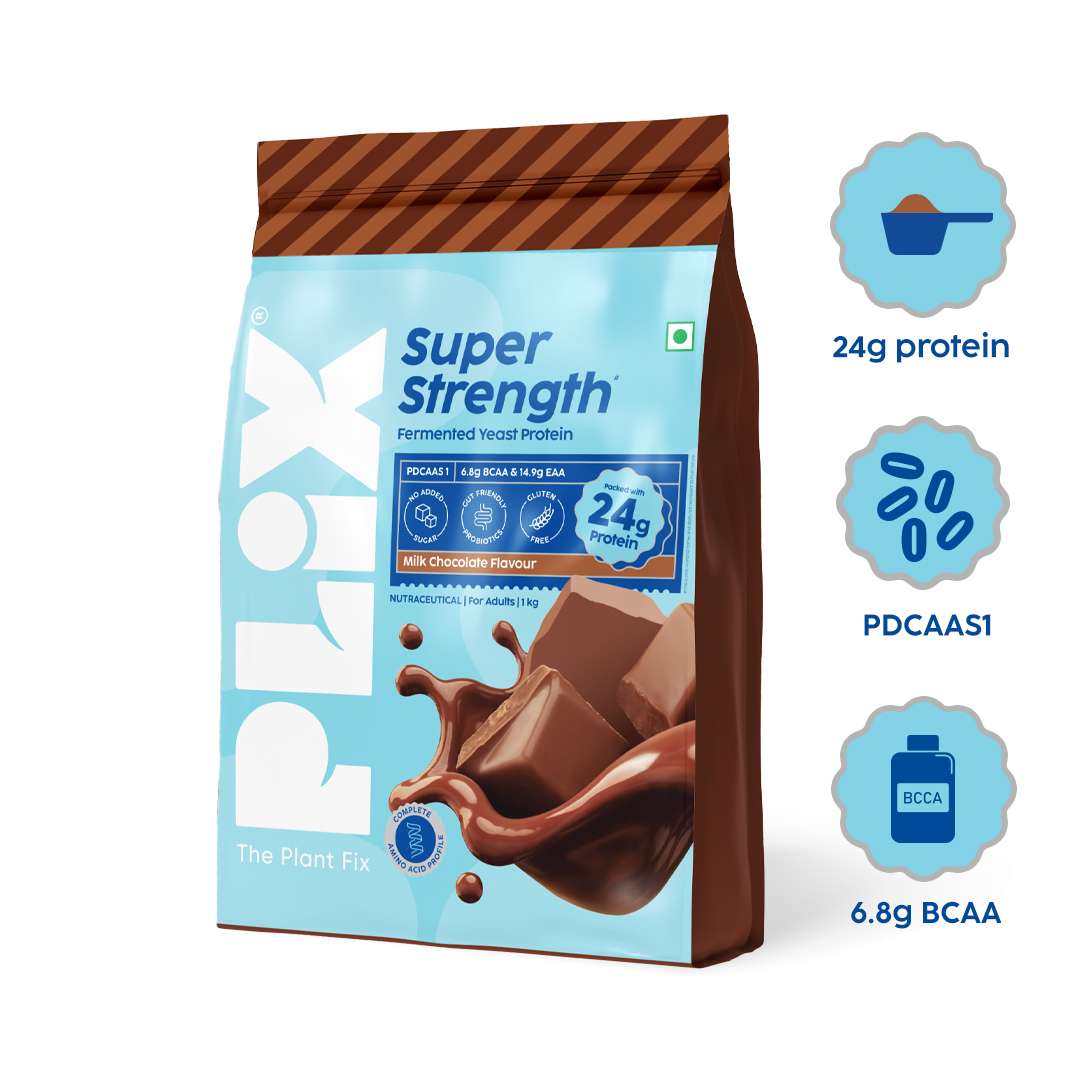
Plix Super Strength Fermented Yeast Protein delivers 24g of protein per servingwith a PDCAAS of 1, digestive enzymes, probiotics, and inulin fiber. No artificial sweeteners, no maltodextrin, no preservatives. Just clean, complete protein built for the way people eat and train today.
Take care, have fun!
Frequently Asked Questions
Is fermented yeast protein just a trend?
The underlying science is strong. A PDCAAS of 1, complete amino acids, and easy digestion suggest lasting potential rather than a short-lived fad.
Will fermented yeast protein replace whey?
Unlikely to fully replace it, but very likely to become a major alternative, especially for people who want dairy-free, vegan, or easier-to-digest options.
Is fermented yeast protein FDA-approved?
Baker’s yeast protein (Saccharomyces cerevisiae) was approved by the FDA for use in food as a protein supplement in 1977.
How does fermented yeast protein compare to insect protein?
Both are alternative protein sources. Fermented yeast protein is vegan, while insect protein is not. Yeast protein currently has more commercial availability in the US market.
Can fermented yeast protein be used in cooking?
Yes. The neutral flavor profile works well in smoothies, baked goods, pancakes, and energy balls.
Is fermented yeast protein suitable for children?
Consult a pediatrician before giving any protein supplement to children, as their nutritional needs differ from those of adults.