How to Reduce Hair Fall: Effective Tips Beyond Shampoo

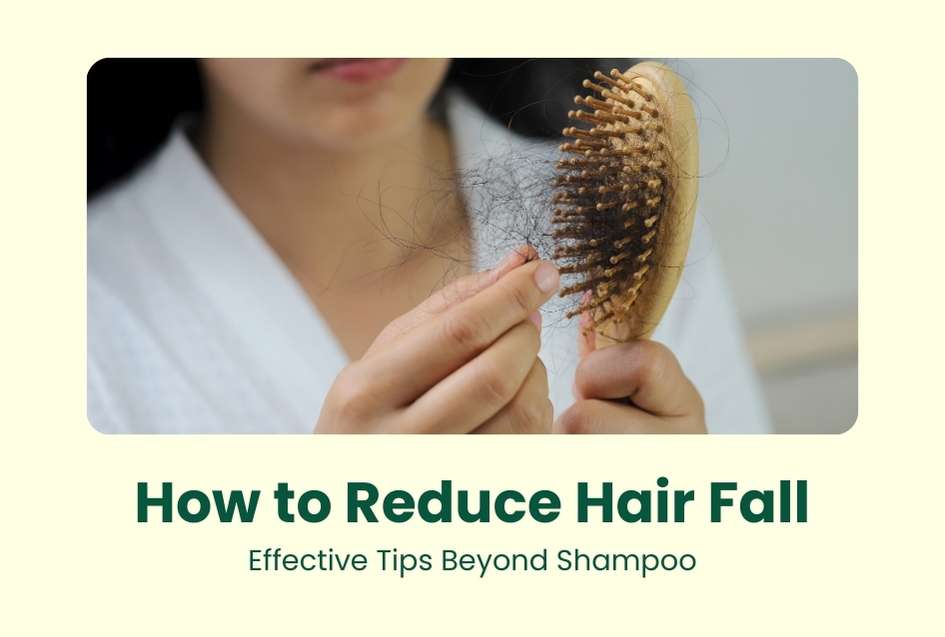
Finding more hair on your pillow or in the shower drain than usual? You’re searching for real solutions. Changing shampoos helps, but reducing hair fall requires a broader approach.
Understanding Normal vs. Excessive Hair Loss
Hair shedding is natural. According to the American Academy of Dermatology, losing 50 to 100 strands daily is normal. Anything beyond that signals your follicles need support.
Common triggers include stress, nutritional gaps, hormonal shifts, heat damage, and poor scalp health. Understanding your specific cause helps you choose effective solutions.
Prioritize Scalp Health First
Your scalp creates the environment where hair grows. Poor circulation, inflammation, or buildup prevents follicles from functioning properly.
Massage Your Scalp Daily
Spend 5 to 10 minutes daily massaging your scalp with your fingertips. Circular motions boost blood flow, delivering oxygen and nutrients to follicles. For added benefits, use a hair growth serum while massaging.
Keep Your Scalp Clean
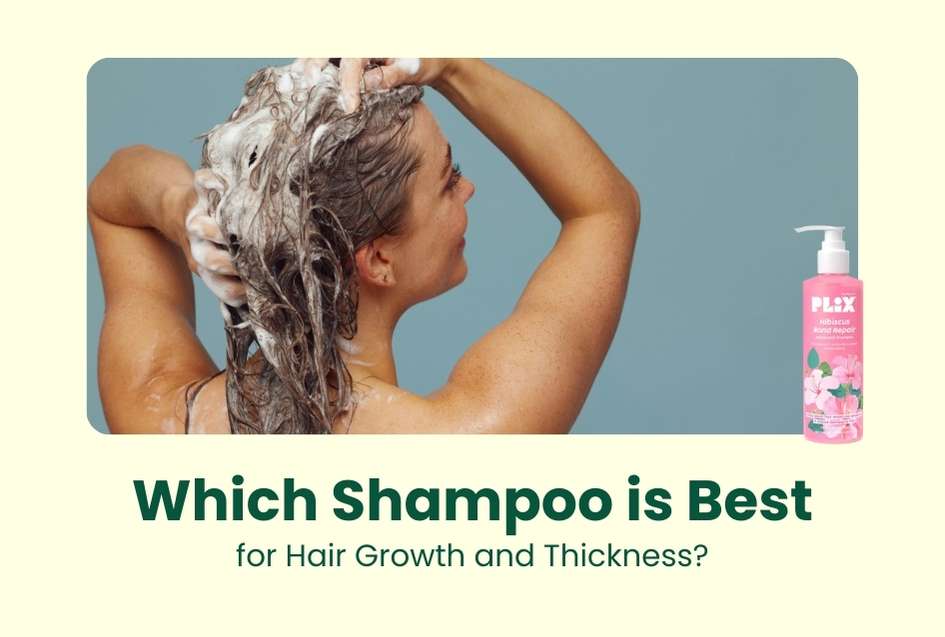
Wash 2 to 3 times weekly with a sulfate-free formula. Focus shampoo on your scalp rather than your hair length. Overwashing strips natural oils, while underwashing allows follicle-clogging buildup.
Use Plant-Based Ingredients That Work
Nature provides powerful solutions for strengthening hair. Plant-based treatments nourish your scalp without harsh chemicals.
Rosemary for Growth Stimulation
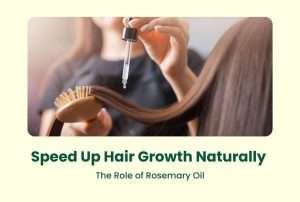
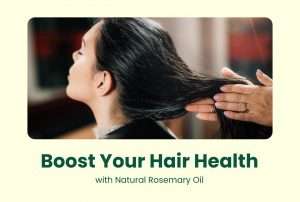
Rosemary enhances scalp circulation, activating dormant follicles and encouraging growth. Studies show rosemary can match conventional treatments for hair density. Products with rosemary as a key ingredient, like anti-hair fall shampoo, deliver these benefits.
Neem for Scalp Soothing
Neem contains antimicrobial properties that calm irritated scalps and reduce inflammation. A healthy scalp allows follicles to thrive rather than stress and shed.
Hibiscus for Damage Repair
Hibiscus strengthens bonds within each strand, reducing breakage. Rich in amino acids and vitamin C, hibiscus improves elasticity and prevents splitting.
Change How You Handle Your Hair
Small daily adjustments significantly reduce breakage and shedding.
Wash with Lukewarm Water
Hot water opens cuticles and weakens strands. Wash with lukewarm water, finishing with a cool rinse to seal cuticles.
Never Brush Wet Hair
Hair is most vulnerable when wet. Gently squeeze excess water with a soft towel. Wait 10 to 15 minutes, then use a wide-tooth comb to detangle from ends upward.
Choose Protective Styles
Tight ponytails and buns pull on roots, causing traction hair loss. Opt for loose styles. Sleep on silk or satin pillowcases to minimize friction.
Feed Your Hair from Within
What you eat directly impacts hair strength and growth.
Increase Protein Intake
Hair is primarily keratin, a protein. Include eggs, fish, chicken, beans, lentils, and nuts. Insufficient protein forces your body to sacrifice hair health first. Supplements for hair growth can help if you struggle to get enough through food.
Add Iron and Biotin
Iron deficiency is a leading cause of hair loss. Spinach, lentils, and fortified cereals provide iron. Pair with vitamin C foods like oranges to enhance absorption. Biotin from eggs, avocados, and sweet potatoes strengthens hair structure. For targeted support, hair nutrition supplements can fill any nutritional gaps.
Include Omega-3 Fatty Acids
Omega-3s nourish follicles and reduce inflammation. Flaxseeds, chia seeds, walnuts, and fatty fish provide excellent sources.
Minimize Heat and Chemical Damage
Heat styling and chemical treatments weaken protein bonds, causing breakage.
Reduce Styling Tool Use
Limit blow dryers, flat irons, and curling wands. When using heat, always apply protective products first and use the lowest effective temperature.
Space Out Chemical Treatments
Coloring, relaxing, and perming stress hair. Space treatments 8 to 12 weeks apart, followed by intensive conditioning.
Manage Stress Effectively
Chronic stress triggers telogen effluvium, pushing follicles into a resting phase. You’ll notice increased shedding 2 to 3 months after stressful periods.
Practice stress reduction through exercise, yoga, meditation, or hobbies. Prioritize 7 to 8 hours of sleep nightly for proper follicle repair.
Create a Consistent Hair Care Routine
Combining these strategies yields the best results. Start with a complete hair care regimen designed for reducing hairfall. Wash gently 2 to 3 times weekly, massage your scalp daily, and apply nourishing treatments weekly.
Support external care with proper nutrition, stress management, and protective styling. Most people notice reduced shedding within 4 to 6 weeks.
New strands grow approximately half an inch monthly. Maintain your routine even after seeing improvement for lasting results.
When to Seek Professional Help
Consult a dermatologist if you experience sudden severe hair loss, patchy bald spots, scalp pain with shedding, or no improvement after 3 months.
Medical conditions like thyroid disorders may cause hair loss needing specific treatment. Early intervention leads to better outcomes.
Start Your Hair Health Journey Today
Reducing hair fall goes beyond switching shampoos. Plant-based treatments, gentle care, proper nutrition, and stress management significantly decrease shedding and promote growth.
Try natural hair treatments from Plix Life with vegan formulations that work with your body’s processes. Your hair deserves effective, gentle care.
Take care, have fun!
FAQs
How much hair loss per day is normal?
Losing 50 to 100 strands daily is completely normal and part of your hair’s natural growth cycle. If you notice clumps during washing or brushing, you may be experiencing excessive fall that needs attention.
How long before I see results from hair fall treatments?
Most people notice reduced shedding within 4 to 6 weeks of starting a consistent routine. For visible regrowth and thickness, allow 2 to 3 months. Hair grows slowly, so patience matters more than quick fixes.
Can stress cause significant hair loss?
Chronic stress pushes follicles into a resting phase, causing increased shedding about 2 to 3 months later. Managing stress through exercise, meditation, or counseling can significantly improve hair health over time.
Should I avoid heat styling completely?
You don’t need to eliminate heat styling entirely, but reducing frequency helps prevent damage. When you do use heat tools, apply protectant products first and use the lowest effective temperature.
Are plant-based hair products as effective as chemical treatments?
Plant ingredients like rosemary, neem, and hibiscus have shown comparable effectiveness to conventional treatments in studies, with the benefit of being gentler on hair and scalp. Natural ingredients support long-term hair health by working with your body.
What vitamins help with hair fall?
Biotin, vitamin D, iron, zinc, and B vitamins support healthy growth. Getting these through a balanced diet often works better than supplements alone. Consult a healthcare provider before starting supplements if you suspect deficiencies.