Does Rosemary Oil Really Work for Hair Growth or Is It Just Hype

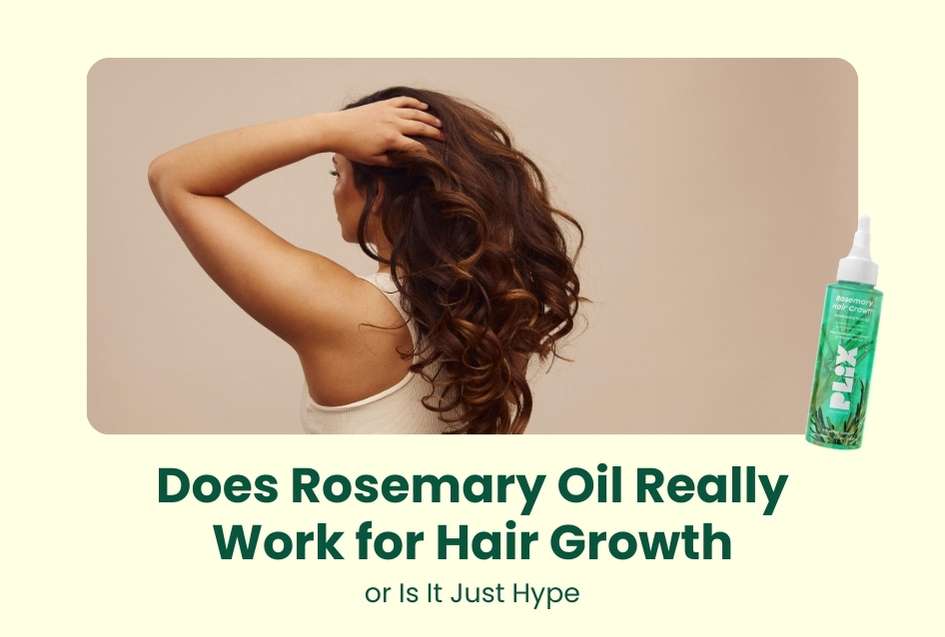
You’ve probably seen countless posts about rosemary oil transforming hair growth. Social media is flooded with before-and-after photos, and beauty influencers swear by it. But does rosemary oil actually deliver rosemary oil hair growth results, or is it just another overhyped trend?
The short answer: Rosemary oil studies show promising results that might surprise you. Some research even compares rosemary vs minoxidil, the gold-standard hair growth treatment. Let’s break down what science actually says about rosemary hair serum effectiveness and whether this natural hair growth solution lives up to the buzz.
Does Rosemary Oil Actually Work for Hair Growth
Multiple clinical studies support rosemary oil’s effectiveness for hair growth. The science isn’t just hype; there’s real research backing these claims.
The Landmark Study: Rosemary vs Minoxidil
What the research shows: A 2015 study in SKINmed compared rosemary oil directly against minoxidil 2% for treating androgenetic alopecia. After 6 months, both groups showed significant hair count increases with no statistical difference. The rosemary group had fewer side effects, particularly less scalp itching.
What this means for you: Research in SKINmed confirms rosemary essential oil matches 2% minoxidil effectiveness for pattern hair loss without harsh side effects.
How Rosemary Oil Stimulates Hair Follicles
What’s happening: Rosemary oil improves scalp circulation, delivering more oxygen and nutrients to hair follicles. Better blood flow means healthier, more active follicles.
Carnosic acid in rosemary has shown nerve growth and tissue healing properties. Research demonstrates that carnosic acid promotes hair regrowth by stimulating follicular stem cells.
What to do: Apply rosemary oil to your scalp, not just hair strands. Massage it in for 3-5 minutes to boost circulation. Consistency over months produces visible rosemary oil hair growth results.
The Anti-Inflammatory Benefits for Scalp Health
What’s happening: Inflammation damages hair follicles and disrupts the growth cycle. Rosemary oil contains powerful anti-inflammatory compounds that reduce scalp irritation and create optimal conditions for natural hair growth.
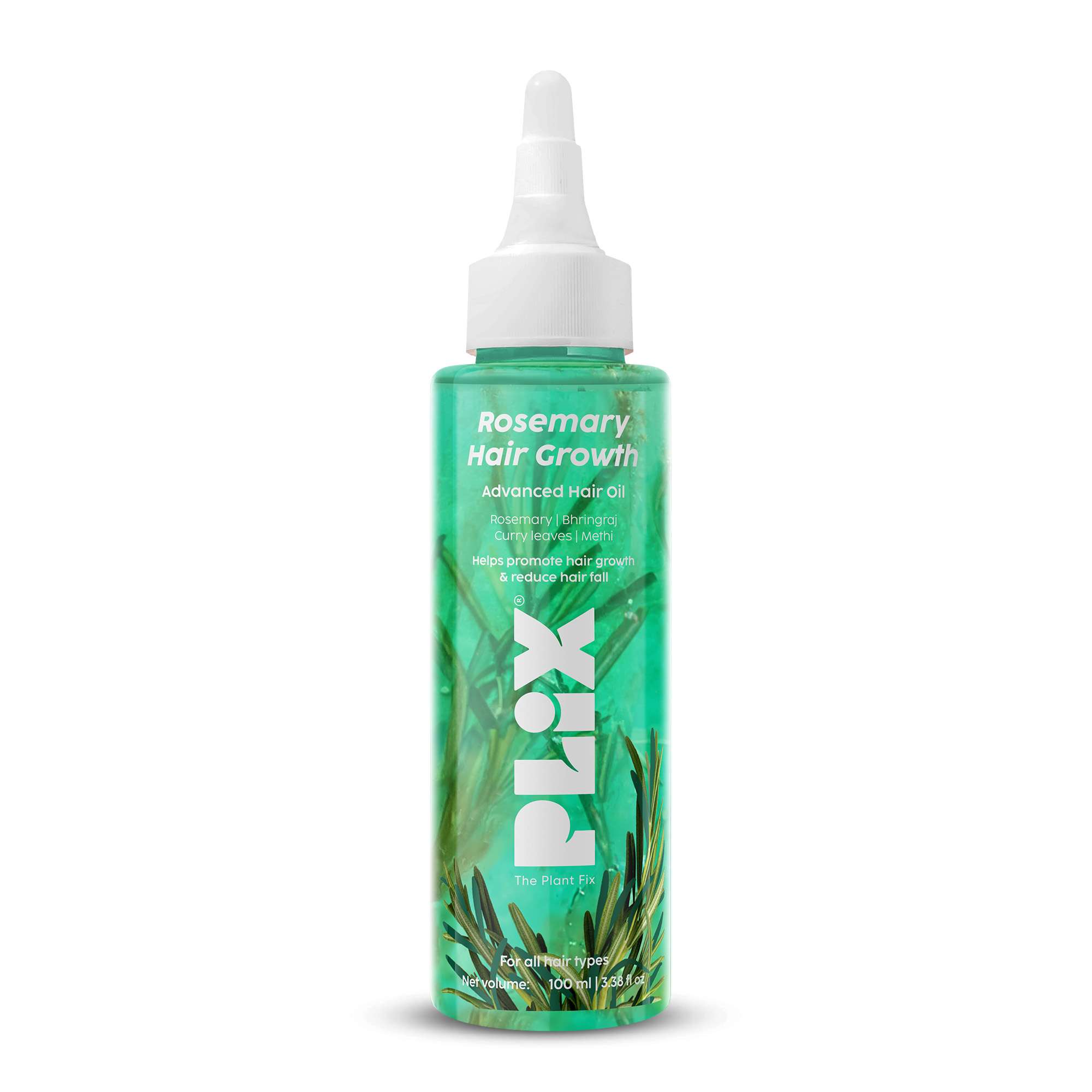
What to do: Look for formulations combining rosemary with other scalp-soothing ingredients. Plix Rosemary Hair Serum combines rosemary extract with complementary botanicals for comprehensive scalp health.
DHT Blocking Properties for Pattern Hair Loss
What’s happening: DHT is the main hormone responsible for androgenetic alopecia. DHT shrinks hair follicles over time, leading to thinner hair. Research suggests rosemary oil may help block DHT’s effects on follicles.
What to do: Apply rosemary treatments directly to thinning areas. Focus on the scalp, where DHT sensitivity is highest crown and hairline. Give it at least 6 months of consistent use.
Antioxidant Protection Against Hair Damage
What’s happening: Free radicals from pollution, UV exposure, and stress damage hair follicles. Rosemary oil contains potent antioxidants like rosmarinic acid and carnosol that neutralize free radicals and protect follicles.
What to do: Use rosemary oil as preventive care, not just when you notice thinning. Antioxidant protection works best when applied consistently before significant damage occurs.
The Right Concentration and Application Method
What’s happening: Pure essential oils are too concentrated for direct scalp application. Undiluted rosemary oil can irritate. The studies showing rosemary oil hair growth results used properly diluted formulations.
What to do: Never apply pure rosemary essential oil directly to your scalp. Dilute 3-5 drops per tablespoon of carrier oil. Better yet, choose tested formulations designed for optimal absorption and safety.
Timeline: When to Expect Real Results
What’s happening: Hair growth is slow, approximately half an inch per month. The rosemary vs minoxidil study showed significant results at 6 months, not 6 weeks. Many people quit too early because they expect overnight transformations.
What to do: Commit to at least 6 months of daily use before evaluating effectiveness. Take photos in consistent lighting to track subtle progress.
Who Benefits Most from Rosemary Oil
What’s happening: Rosemary oil studies have primarily focused on androgenetic alopecia. Results are strongest for this specific type of hair loss. Rosemary works best for early to moderate thinning. Completely dormant follicles are unlikely to regenerate.
What to do: Identify your hair loss type before starting treatment. Androgenetic alopecia shows gradual thinning in specific patterns. Sudden, patchy loss may require different approaches. Consult a dermatologist for diagnosis.
Combining Rosemary with Other Hair Growth Strategies
What’s happening: Natural hair growth improves when you address multiple factors simultaneously. Rosemary oil addresses scalp circulation and inflammation, but doesn’t fix nutritional deficiencies or hormonal imbalances.
What to do: Support topical treatments with internal nutrition. Ensure adequate protein intake. Consider biotin, iron, and vitamin D if deficient. Manage stress through sleep. Avoid tight hairstyles that create tension on follicles.
Summary
Rosemary oil hair growth results aren’t just hype; clinical studies back this natural hair growth treatment. The landmark rosemary vs minoxidil study showed comparable results after 6 months with fewer side effects. Rosemary oil studies demonstrate improved scalp circulation, anti-inflammatory effects, potential DHT blocking, and antioxidant protection. Rosemary hair serum effectiveness depends on proper concentration, consistent application, and realistic timelines. Results appear around 6 months for androgenetic alopecia.
Rosemary works best when combined with proper nutrition, stress management, and gentle hair care. While not a miracle cure, rosemary oil offers scientifically supported effectiveness for people seeking natural alternatives to conventional treatments.
Visit Plix Build Your Box to create your customized hair wellness bundle featuring rosemary-based treatments and complementary nutrition support.
FAQs
Does rosemary oil really work for hair growth?
Yes, rosemary oil studies show it works comparably to minoxidil 2% for treating pattern hair loss. A 6-month clinical trial found no significant difference in hair count increases between rosemary oil and minoxidil, but rosemary caused less scalp irritation.
How long does it take to see rosemary oil hair growth results?
Most people see visible rosemary oil hair growth results after 6 months of consistent daily use. The rosemary vs minoxidil study showed significant improvements at this timeframe. Hair growth is gradual, so patience and consistency are essential.
Is rosemary hair serum proven by science?
Yes, rosemary hair serum effectiveness is supported by clinical research. Studies show rosemary essential oil improves scalp circulation, reduces inflammation, and stimulates follicular activity. Proper formulation and concentration matter for optimal results.
Can rosemary oil regrow hair in completely bald areas?
Rosemary works best on follicles that still produce fine hairs, not completely dormant follicles. Smooth, shiny bald areas where follicles have been inactive for years show limited response. Early intervention produces better natural hair growth outcomes.
How does rosemary vs minoxidil compare for hair growth?
Rosemary vs minoxidil research shows comparable effectiveness after 6 months. Both treatments significantly increased hair count with no statistical difference. Rosemary oil caused fewer side effects, particularly less scalp itching, than minoxidil 2%.