Which Shampoo is Best for Hair Growth and Thickness?

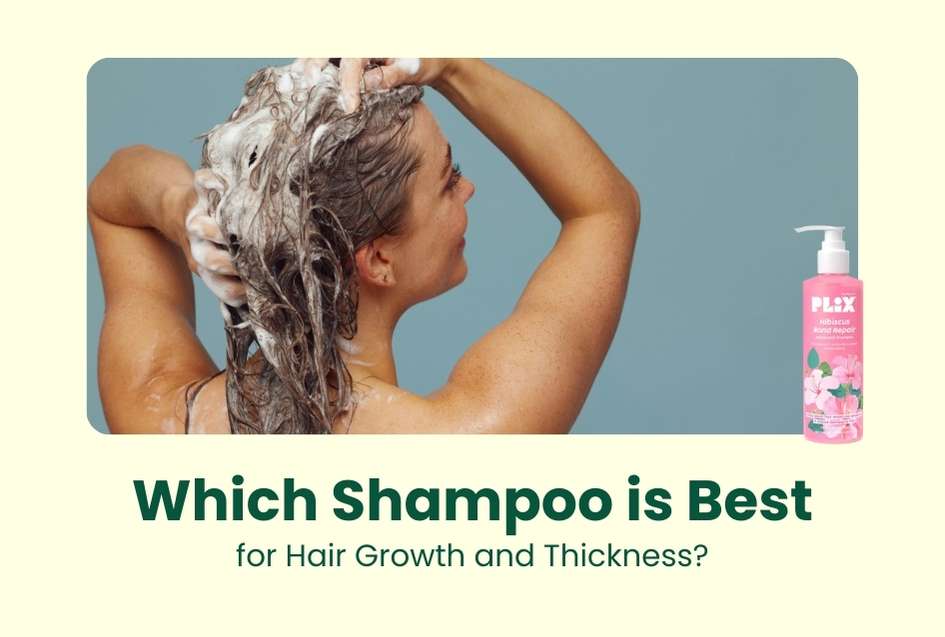
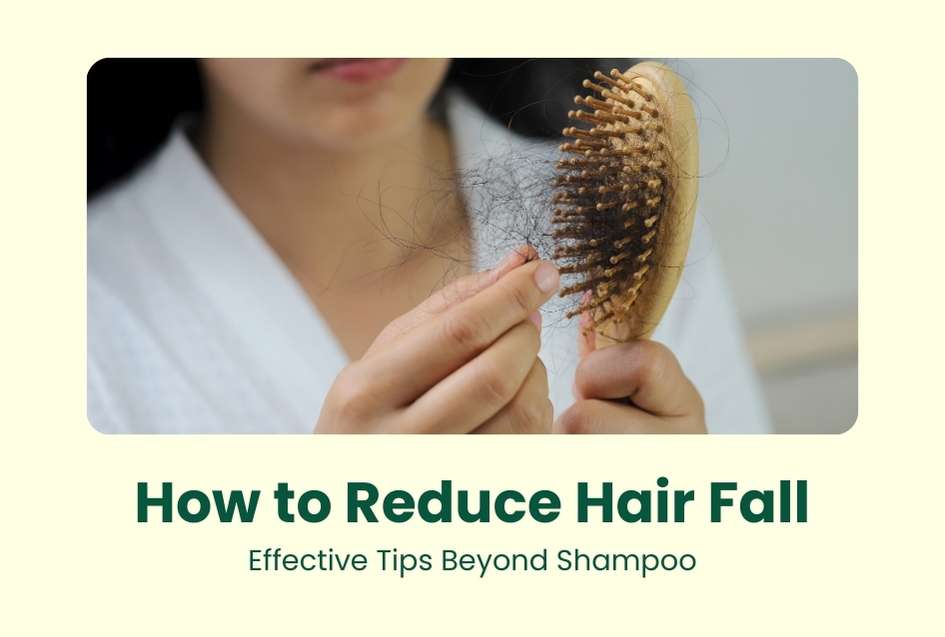
If you’re seeing more hair in your brush or noticing your ponytail feels thinner, you’re not alone. The good news? The right shampoo can make a real difference by creating a healthy scalp environment, strengthening your strands, and reducing breakage.
What to Look for in a Hair Growth Shampoo
A shampoo designed for hair growth does more than just clean your hair. You want a formula that balances three key areas: nourishing your scalp, supporting your follicles, and strengthening each strand.
At least one-third of women experience hair loss, according to Harvard Health. That means you need something that works specifically for you.
Key Ingredients That Actually Work
Not all ingredients are created equal when it comes to hair growth. Here’s what actually makes a difference:
Rosemary extract boosts blood circulation to your scalp, helping more nutrients reach your hair follicles. Studies show it can work as effectively as some conventional treatments for improving hair count over time.
Plant keratin fills in damaged areas along your hair shaft, making each strand stronger and less prone to breakage. Since hair is about 95% keratin protein, adding plant-based keratin helps reinforce what’s already there.
Amino acid complexes provide the building blocks your hair needs to produce new, healthy strands. Your follicles use these to synthesize proteins, which is essential for the growth phase of your hair cycle.
Neem and tea tree offer antifungal and antibacterial benefits that keep your scalp clean and healthy. When your scalp environment is balanced, your follicles can function better and produce stronger hair.
Hibiscus acts as a natural conditioner while promoting elasticity in your hair. More elastic hair bends instead of breaking, which helps you maintain length and fullness.
Flaxseed oil contains omega-3 fatty acids that reduce scalp inflammation and deliver essential nutrients to your hair roots. A calm, nourished scalp supports better growth.
What to Avoid in Your Hair Care
Some ingredients can actually work against your hair growth goals. Sulfates strip away too much of your scalp’s natural oil, which can trigger overproduction and create an unhealthy environment. Parabens and heavy silicones build up over time, weighing hair down and potentially blocking follicles.
Choose formulas that are sulfate-free, paraben-free, and vegan-friendly. Clean Label certification is a good sign that you’re getting pure ingredients without hidden contaminants.
Choosing the Right Formula for Your Hair Type
Different hair types need different approaches to see results.
For Thinning Hair and Oily Scalp
When you’re dealing with excess oil, your follicles can get clogged, which slows down growth. You need a clarifying shampoo for hair growth that removes buildup without harsh detergents.
Rosemary and neem work particularly well for balancing oil production while supporting hair density. A sulfate-free formula cleanses gently while maintaining your scalp’s natural balance, so you’re not triggering a cycle of stripping and overproduction.
For Dry or Damaged Hair
If your hair is dry or has been chemically treated, breakage often looks like hair loss. What you actually need is a strengthening shampoo that repairs your hair structure while preventing further damage.
Hibiscus and plant keratin work together to restore elasticity and fill in damaged areas along each strand. For best results, pair your shampoo with a matching conditioner and add a weekly deep conditioning treatment to your routine.
For Fine or Frizzy Hair
Fine hair needs volume without weight, while frizzy hair needs smoothing without heaviness. A lightweight formula with amino acids and flaxseed addresses both concerns at once.
Plant proteins add body while natural oils tame flyaways and create a smoother surface. When your hair cuticle lies flat, your hair reflects more light and naturally appears thicker. A smoothing shampoo for thicker hair helps reduce static and create better alignment.
How to Use Your Hair Growth Shampoo
Using your shampoo correctly makes a significant difference in your results.
Washing Frequency
For most hair types, washing 2 to 3 times per week works well. Washing too often strips natural oils, while washing too little allows buildup that blocks follicles. Oily hair may need more frequent washing, while dry or textured hair can often go longer between washes.
Application Technique
Start by wetting your hair thoroughly with warm water to open the cuticle. Apply your plant-based shampoo directly to your scalp, not your lengths. Massage gently with your fingertips in circular motions for 1 to 2 minutes.
Allow the shampoo to sit for a minute or two so the active ingredients can work. Rinse thoroughly with cool water to close the cuticle, then follow with a complementary conditioner on your mid-lengths and ends only.
Supporting Your Routine
Shampoo works best as part of a comprehensive approach. Massage your scalp regularly to boost circulation, even on days when you’re not washing. Use a wide-tooth comb to minimize breakage, especially when your hair is wet.
Limit heat styling and chemical treatments that can damage new growth. Maintain a diet rich in protein, iron, and omega-3s, and stay hydrated. Managing stress levels helps too, since chronic stress can actually shrink your hair follicles.
Common Mistakes to Avoid
When using a natural shampoo for hair growth, watch out for these common pitfalls.
Expecting Immediate Results
Hair growth takes time. Your hair growth cycle includes a resting phase that lasts 2 to 3 months, so you may need to use a growth-promoting shampoo consistently for at least 12 weeks before seeing visible improvements in hair density or reduced shedding.
Using Too Much Product
A small amount goes a long way. A quarter-sized amount typically works for medium-length hair. Using too much can be hard to rinse out completely, leading to buildup that weighs hair down and potentially clogs follicles.
Skipping Conditioner
Shampoo cleanses and stimulates, but conditioner seals the cuticle and prevents breakage. Skipping conditioner, especially with a clarifying or growth-focused shampoo, can leave your hair vulnerable to damage that undoes your progress.
Not Addressing Root Causes
If your hair loss is sudden, severe, or accompanied by other symptoms, consult a healthcare provider. Hormonal imbalances, nutritional deficiencies, or medical conditions may require treatment beyond topical products.
Take Care, Have Fun
Making the switch to a science-backed, plant-based hair care routine supports not just your hair, but your overall wellness. Your scalp deserves ingredients that nourish and protect, while your hair needs gentle strengthening that lasts.
Choose formulas that align with your hair type and specific concerns. Whether you’re dealing with thinning, breakage, or slow growth, the right combination of plant actives can make a meaningful difference. Consistency matters more than any single product, so find a routine you can maintain long-term.
FAQs
How long does it take to see results from a hair growth shampoo?
Most people notice reduced shedding within 4 to 6 weeks of consistent use. Visible improvements in hair thickness and density typically appear around the 12-week mark. Hair grows in cycles with a resting phase lasting 2 to 3 months, so patience and consistency are essential for the best results.
Can I use hair growth shampoo every day?
For most hair types, washing 2 to 3 times per week is ideal. Daily washing can strip natural oils that protect your scalp and hair. If you have very oily hair or exercise frequently, you can wash more often, but choose a gentle, sulfate-free formula to minimize potential dryness or irritation.
What’s the difference between sulfate-free and regular shampoo?
Sulfates are harsh detergents that create lots of foam but can strip away natural oils, leading to dryness and potential scalp irritation. Sulfate-free shampoos use gentler cleansing agents that maintain your scalp’s natural balance while still effectively removing dirt and buildup. For thinning or sensitive hair, sulfate-free formulas are typically better.
Should I use the same shampoo and conditioner brand?
Using matching shampoo and conditioner from the same line often provides better results because formulas are designed to work together. However, you can mix brands if you have specific needs. Just ensure your shampoo addresses scalp health and growth while your conditioner focuses on moisture and protection for your hair length.
Do natural ingredients work as well as chemical ones for hair growth?
Many plant-based ingredients have clinical backing for supporting hair growth. Rosemary extract, for example, has shown comparable effectiveness to minoxidil in studies. Plant-based formulas often work more gently and holistically, supporting scalp health and follicle function without harsh side effects associated with some synthetic ingredients.
Can shampoo alone regrow hair, or do I need other products?
Shampoo creates a healthy foundation for hair growth, but works best as part of a comprehensive routine. Pairing a growth-promoting shampoo with a nourishing conditioner, scalp massages, proper nutrition, and stress management provides the best results. For significant hair loss, consider consulting a healthcare provider to address any underlying causes.