What to Avoid When Taking Glutathione Tablets: Full List

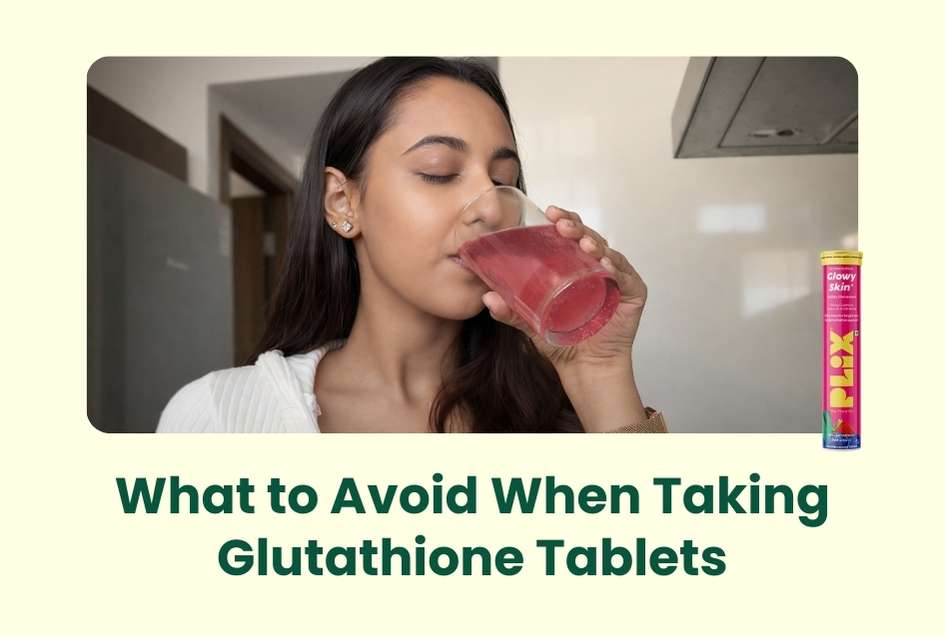
Glutathione is a naturally occurring antioxidant made up of three amino acids: glutamine, cysteine, and glycine. Often called the “master antioxidant,” glutathione supports cellular repair, neutralizes free radicals, and helps brighten the skin over time. Knowing what to avoid when taking glutathione tablets is just as important as taking them consistently. Here is the full list.
What to Avoid When Taking Glutathione Tablets
Getting the most from your glutathione supplement depends on what you pair it with and what you stay away from. Below are the foods, drinks, and habits that reduce glutathione’s effectiveness.
Alcohol
Alcohol is one of the biggest obstacles to glutathione absorption. Alcohol overworks the liver and generates a heavy load of free radicals, which depletes your body’s glutathione reserves. Drinking regularly while supplementing can slow down or cancel out results entirely. Reduce or eliminate alcohol intake during supplementation.
Processed and Sugary Foods
Highly processed foods and those loaded with refined sugar increase oxidative stress in the body. Glutathione stores get used up faster when your system is fighting damage from junk food. Stay away from packaged snacks, instant noodles, sweetened drinks, and frozen meals. A whole-food diet rich in leafy greens, berries, and nuts supports your antioxidant levels naturally.
Smoking and Pollution Exposure
Cigarette smoke introduces a massive amount of free radicals into the lungs and bloodstream, and pollution from traffic and industrial areas does the same. Smoking drains glutathione reserves rapidly. Dermatologists commonly advise against smoking during any skin brightening supplement regimen because it dulls the skin and delays visible improvement.
Excessive Caffeine
Moderate coffee intake is generally fine, but overconsumption of caffeine raises cortisol levels and contributes to oxidative stress. Limit yourself to one or two cups per day while supplementing with glutathione. Green tea is a better alternative since it contains antioxidants that support glutathione’s function.
Certain Medications
Some common medications can interfere with glutathione’s absorption or metabolism. Medications to be cautious about include:
- Acetaminophen (paracetamol) in high doses
- Certain antibiotics, such as ciprofloxacin
- Chemotherapy drugs
- Antipsychotic drugs
Always consult your doctor before starting glutathione if you are currently on any medication.
Excessive Sun Exposure
UV radiation stimulates melanin production and triggers oxidative stress, which directly opposes the skin brightening effects of glutathione. Wear broad-spectrum SPF 50 sunscreen daily and avoid direct sun between 10 AM and 4 PM. Sun protection is essential for anyone using a skin glow effervescent or any antioxidant supplement for improving skin tone.
Dairy in Excess (If Sensitive)
For individuals with lactose sensitivity, milk, cheese, and ice cream can trigger inflammation and digestive stress, which depletes glutathione. If dairy causes stomach discomfort or skin breakouts, reduce your intake during supplementation. Keep a 30-minute gap between glutathione and any dairy consumption.
Foods and Substances to Avoid vs. Foods That Support Glutathione
A quick comparison clarifies what helps and what hurts your glutathione routine.
| Avoid | Support |
| Alcohol | Water (2.5 to 3 litres daily) |
| Processed and sugary foods | Leafy greens, berries, and nuts |
| Smoking | Regular physical activity |
| Excessive caffeine (more than 2 cups) | Green tea |
| High-dose paracetamol | Vitamin C-rich foods and supplements |
| Direct sun without SPF | Broad-spectrum SPF 50 sunscreen |
| Dairy (if sensitive) | Antioxidant-rich whole foods |
If you want the full picture of what glutathione actually does for your health and skin once your levels are optimised, read our post on glutathione benefits for your health and skin.
Why Vitamin C Matters When Taking Glutathione
One of the most common mistakes people make is taking glutathione without pairing it with Vitamin C. Vitamin C regenerates oxidized glutathione and enhances its absorption in the body. A daily intake of 500mg to 1000mg of Vitamin C alongside glutathione supports better skin brightening results. Plix Guava Glow Dewy Vitamin C serum in your topical routine can complement oral supplementation for more comprehensive skin care.
Lifestyle Habits That Reduce Glutathione Effectiveness
Beyond diet and substances, certain lifestyle patterns can undermine your supplementation efforts.
Chronic Stress
Prolonged stress raises cortisol and accelerates free radical production, reducing your body’s natural glutathione production. Incorporate meditation, yoga, or breathing exercises to keep stress in check.
Poor Sleep
Sleep is when your body repairs cells and replenishes antioxidant reserves. Getting fewer than seven hours consistently weakens your glutathione system. Aim for seven to eight hours of quality sleep every night.
Inconsistent Dosing
Glutathione works through a cumulative process. Skipping doses or taking supplements irregularly leads to subpar results. A randomized, double-blind trial published in the European Journal of Nutrition found that daily oral glutathione at 1,000mg over six months increased glutathione levels by 30 to 35% in erythrocytes, plasma, and lymphocytes among 54 adults. Consistency is everything – and if you need help building a reliable daily routine around dosage and timing, our guide on how to take glutathione tablets for best results has everything you need.
Dehydration
Glutathione helps flush harmful substances from your body, but without adequate water, that process is compromised. Drink at least 2.5 to 3 litres of water daily while supplementing.
How to Choose the Right Glutathione Supplement
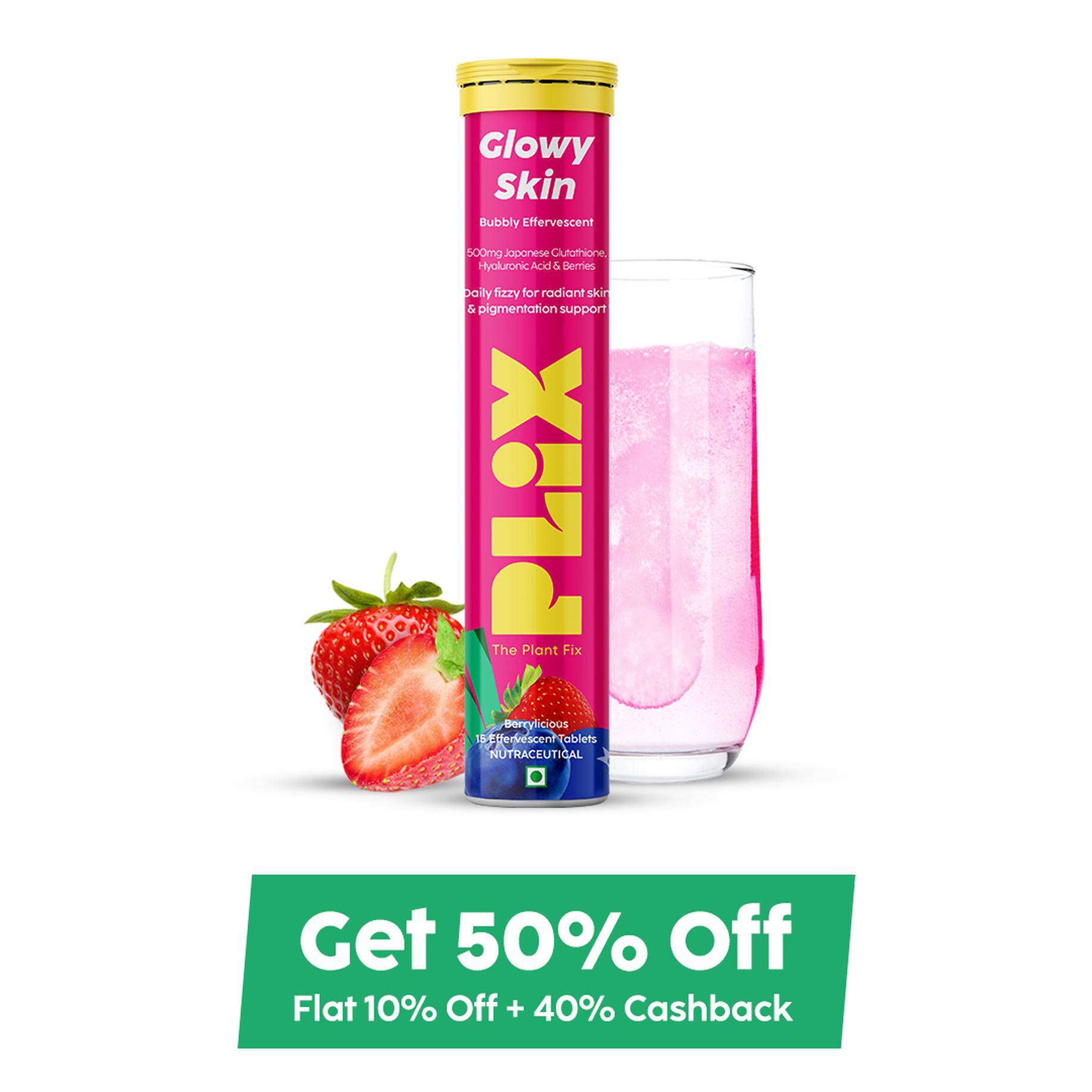
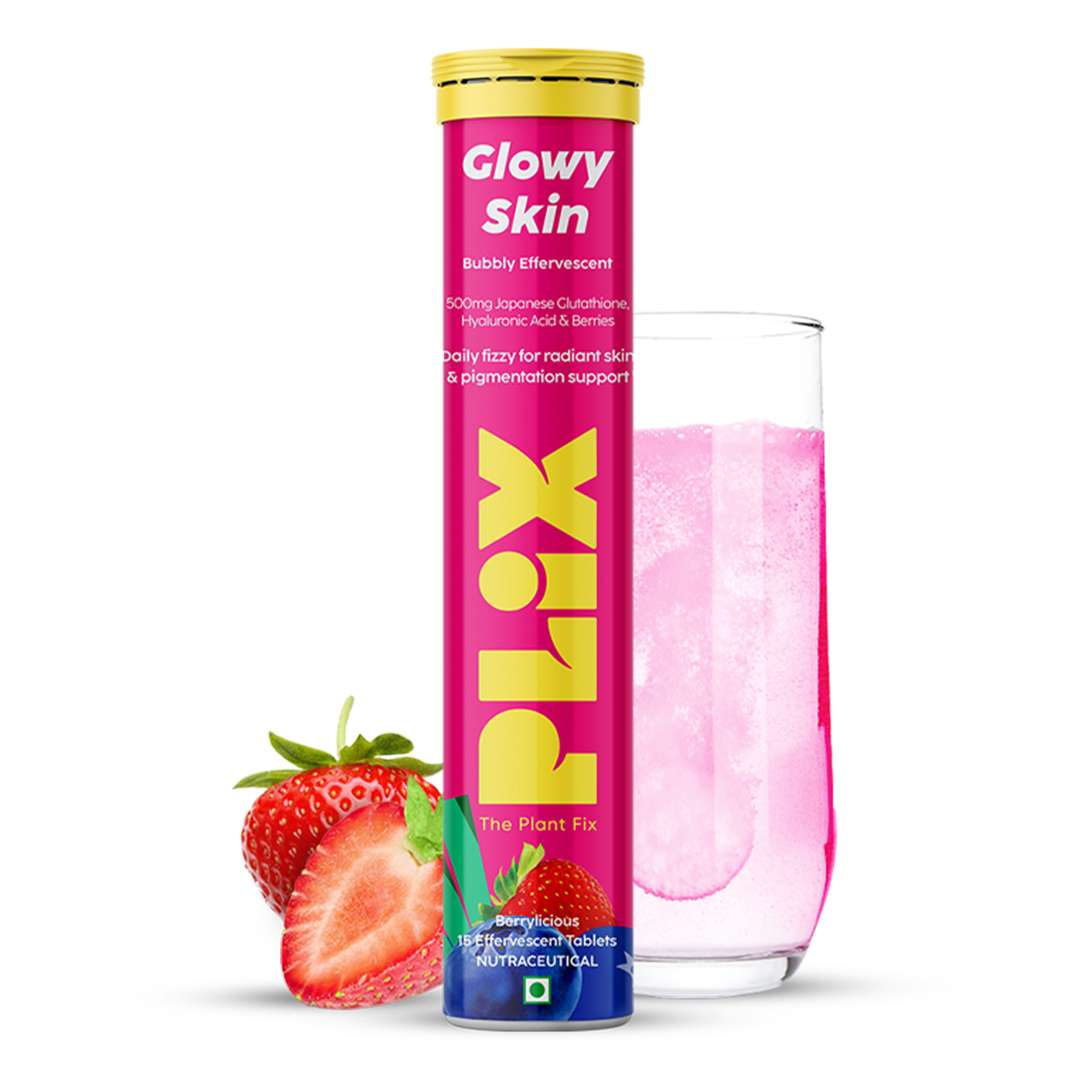
Not all glutathione supplements are equally effective. Low-quality products may contain fillers or formulations with limited bioavailability. Look for supplements that use L-Reduced Glutathione from reputable origins, contain complementary nutrients like Vitamin C and Vitamin E, and come from Clean Label Certified brands. Plix Glowy Skin antioxidant effervescent tablet, for example, delivers 500mg of L-Glutathione sourced from Japan, paired with Hyaluronic Acid and Vitamin E in one daily fizzy tablet.
Support Your Skin From the Inside Out
A thoughtful approach to glutathione supplementation, paired with clean eating, hydration, and sun protection, helps you see real improvements in skin tone. Combine your oral antioxidant supplement with a Plix Pineapple depigmentation serum for a complete routine that targets pigmentation from multiple angles.
Frequently Asked Questions
Here are answers to the most common questions about what to avoid when taking glutathione tablets.
What should you not mix with glutathione tablets?
Avoid alcohol, excessive caffeine, smoking, and certain medications like high-dose paracetamol, chemotherapy drugs, and specific antibiotics. All of these can deplete glutathione levels or interfere with its absorption.
Can you eat food after taking glutathione?
Yes, but waiting 15 to 30 minutes after taking glutathione allows for better absorption, especially when consumed on an empty stomach. Taking glutathione 30 minutes before a meal is a widely recommended practice.
Who should not take glutathione supplements?
Pregnant or breastfeeding women, individuals with asthma, those undergoing chemotherapy, and people with sulfur allergies should consult a doctor before starting glutathione.
Does glutathione work without Vitamin C?
Glutathione can function on its own, but Vitamin C significantly enhances its absorption and helps regenerate it in the body. Pairing 500mg to 1000mg of Vitamin C daily with glutathione produces better results.
How long does it take to see results from glutathione tablets?
Visible skin improvements, including brighter tone and reduced pigmentation, typically appear after 4 to 8 weeks of consistent use. Plix recommends at least 90 days of daily intake for more significant results.
Can you drink milk while taking glutathione?
Yes, but avoid consuming dairy at the same time as your glutathione tablet. A gap of at least 30 minutes helps ensure proper absorption and prevents any minor interference from dairy proteins.