Understanding PDCAAS Score: Why It Matters for Your Protein

You have probably seen “PDCAAS of 1” on a protein powder label and wondered what that actually means. Is it marketing hype, or does it tell you something useful? The short answer: PDCAAS is the most widely accepted method for measuring protein quality, and understanding it can help you make smarter choices about which protein powder you buy. Here is a simple, jargon-free explanation.
What PDCAAS Actually Stands For
PDCAAS stands for Protein Digestibility Corrected Amino Acid Score. That is a mouthful, so let’s break it into two parts.
The Amino Acid Profile
Your body needs nine essential amino acids that it cannot make on its own. PDCAAS checks whether a protein source contains all nine in the right amounts. The score compares the amino acid content of a food to a reference pattern based on what humans actually need.
The Digestibility Factor
Having amino acids in food is only useful if your body can actually absorb them. PDCAAS adjusts the score based on how well your body can digest the protein. A protein with a great amino acid profile but lower digestibility will score below one that your body can fully break down and use.
How the PDCAAS Scale Works
PDCAAS scores range from 0 to 1. The higher the score, the better the protein quality.
What a Score of 1 Means
A score of 1 is the maximum. The protein provides 100% or more of every essential amino acid your body needs, in a form your body can digest. Anything above 1 is rounded down to 1.
What Lower Scores Mean
A PDCAAS of 0.5 means the protein only delivers about 50% of the most limiting essential amino acid after adjusting for digestibility. You would need to eat significantly more of that protein, or combine it with other sources, to meet your needs. Blending pea and rice plant proteins together, for example, can raise the combined score closer to 1.0.
How Common Proteins Score
Here is a quick look at where popular protein sources land on the PDCAAS scale:
- Whey protein: 1.0
- Casein: 1.0
- Egg: 1.0
- Soy protein isolate: 1.0
- Fermented yeast protein: 1.0
- Pea protein concentrate: ~0.89
- Beef: ~0.92
- Rice protein: ~0.50
- Wheat gluten: ~0.24
The key takeaway: not all proteins are equal. A complete protein powder with a PDCAAS of 1 ensures your body gets the most value from every scoop.
Why PDCAAS Should Influence Your Protein Choice
Knowing your PDCAAS helps you see past big numbers on labels and focus on what your body actually receives.
More Protein on the Label Does Not Always Mean More for Your Body
A protein powder might say “30g protein per scoop,” but if the PDCAAS is 0.5, your body may only be able to use the equivalent of about 15g of that protein effectively. With a PDCAAS of 1 protein powder, what you see on the label is much closer to what your body actually gets.
Fewer Scoops, Same Results
When your protein has a higher PDCAAS, you may not need to consume as much to meet your daily goals. A high-PDCAAS protein powder gives you more usable protein per serving, which can mean fewer calories and less digestive load.
Limitations of PDCAAS Worth Knowing
No measurement is perfect. PDCAAS has some limitations that scientists are working to address.
The Score Caps at 1
Proteins that score above 1 are rounded down. Whey, for example, may actually exceed a score of 1 on certain amino acids, but the official score is capped. Newer scoring methods like DIAAS (Digestible Indispensable Amino Acid Score) do not cap the score and may provide more precise comparisons in the future.
Digestibility Testing Uses Rats
PDCAAS digestibility is measured using rat models, which may not perfectly reflect human digestion. The DIAAS method proposes using pig models, which are closer to human biology.
Despite these limitations, PDCAAS remains the FDA-recognized standard for protein quality and the most widely used benchmark in the industry.
How Plix Prioritizes Protein Quality
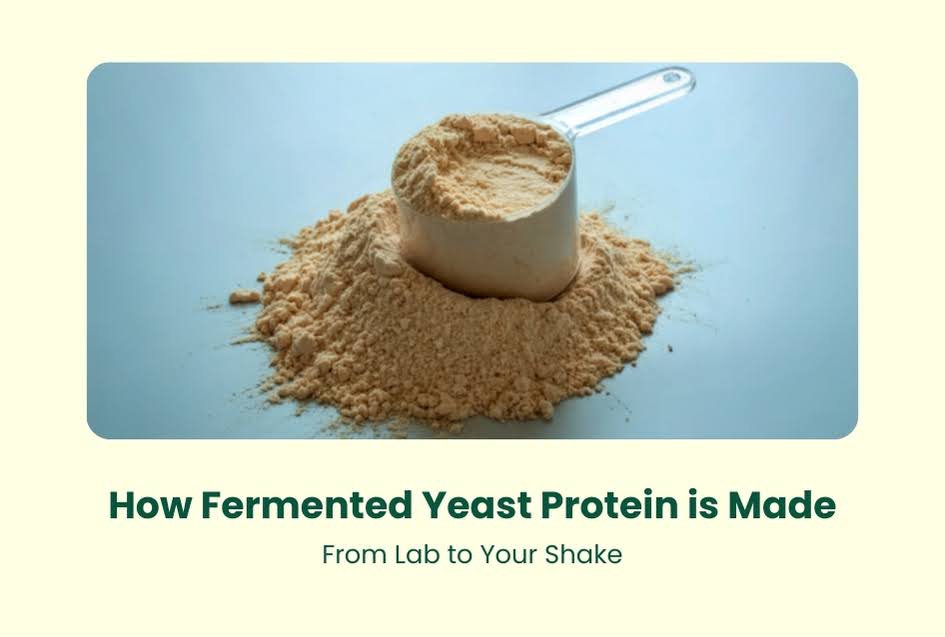
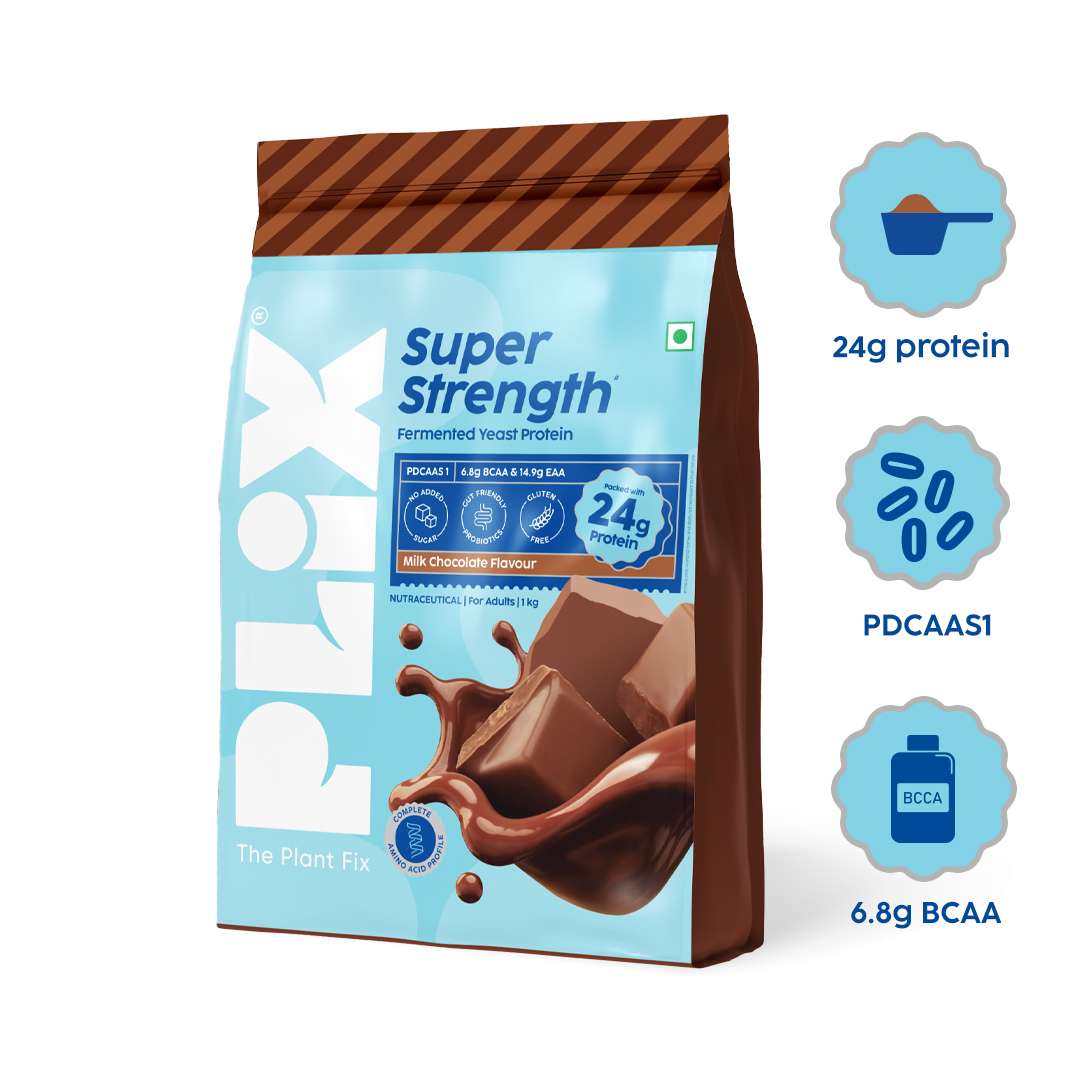
Plix Super Strength Fermented Yeast Protein has a PDCAAS of 1, delivering 24g of complete protein with all nine essential amino acids per serving. Combined with digestive enzymes and probiotics, every scoop is designed for maximum absorption and comfort. Check out the full protein powder range to find a high-quality option that fits your goals.
Take care, have fun!
Frequently Asked Questions
Who created the PDCAAS scoring system?
PDCAAS was recommended by the FAO/WHO in 1991 and adopted by the US FDA in 1993 as the preferred method for measuring protein quality.
Is a PDCAAS of 1 the best you can get?
Yes. The scale caps at 1.0. A score of 1 means the protein meets 100% of essential amino acid requirements after adjusting for digestibility.
Can you improve a low PDCAAS protein by combining sources?
Yes. Blending complementary proteins, like pea and rice, can raise the combined PDCAAS closer to 1.0.
Does PDCAAS apply to whole foods or just supplements?
PDCAAS applies to any protein source, including whole foods like eggs, meat, beans, and grains, not just protein powders.
What is DIAAS and will it replace PDCAAS?
DIAAS (Digestible Indispensable Amino Acid Score) is a newer method proposed by the FAO in 2013 that may eventually replace PDCAAS, but PDCAAS remains the current FDA standard.
Should I only buy protein powders with a PDCAAS of 1?
A PDCAAS of 1 is ideal, but a score of 0.8 or higher is still considered good quality. The most important thing is choosing a protein that fits your dietary needs and digests well for you.