How to Effectively Reduce Hair Fall with Rosemary Oil


Hair fall is one of the most common hair concerns, and finding a solution that actually works can feel overwhelming. Rosemary oil has emerged as one of the most researched natural ingredients for reducing hair fall and promoting hair growth. A randomized comparative trial published in SKINmed Journal found that rosemary oil performed comparably to minoxidil 2% in increasing hair count among 100 patients with androgenetic alopecia over six months. If you have been looking for a plant-based approach to managing hair fall, rosemary oil is a strong place to start.
Why Does Hair Fall Happen?
Hair fall happens when the natural hair growth cycle is disrupted. Every strand goes through three phases: anagen (growth), catagen (transition), and telogen (resting). When more follicles enter the resting phase prematurely, shedding increases.
Common causes of hair fall include:
- Hormonal imbalances, particularly excess dihydrotestosterone (DHT)
- Nutritional deficiencies in iron, zinc, biotin, or protein
- Chronic stress, heat styling, and harsh chemical treatments
- Scalp conditions like dandruff or fungal infections
Addressing hair fall requires both internal nutrition and external scalp care. Rosemary oil plays a key role in the external care part of that equation.
How Does Rosemary Oil Reduce Hair Fall?
Rosemary oil (Rosmarinus officinalis) is an essential oil with antioxidant, anti-inflammatory, and antimicrobial properties. When applied to the scalp, rosemary oil supports hair health through multiple pathways.
Improves Blood Circulation to the Scalp
Rosemary oil enhances microcapillary perfusion, supporting better blood flow to the scalp. Improved circulation delivers more oxygen and nutrients to hair follicles, creating a healthier environment for growth. Well-nourished follicles are less likely to shrink or become dormant.
Supports DHT Regulation
DHT is a hormone linked to androgenetic alopecia, the most common form of pattern hair loss. Rosemary oil contains compounds like carnosic acid that may help inhibit 5-alpha-reductase, the enzyme that converts testosterone into DHT. Reducing DHT activity at the scalp level can slow follicle miniaturization.
Provides Antioxidant and Antimicrobial Protection
Free radicals and scalp infections can weaken hair roots and accelerate shedding. Rosemary oil offers antioxidant protection against oxidative stress while its antimicrobial properties help maintain a clean, balanced scalp.
How to Use Rosemary Oil for Hair Growth
Getting the most out of rosemary oil depends on the application method and consistency. Here are the most effective ways to include rosemary oil in your Hair Care routine.
As a Scalp Oil Treatment
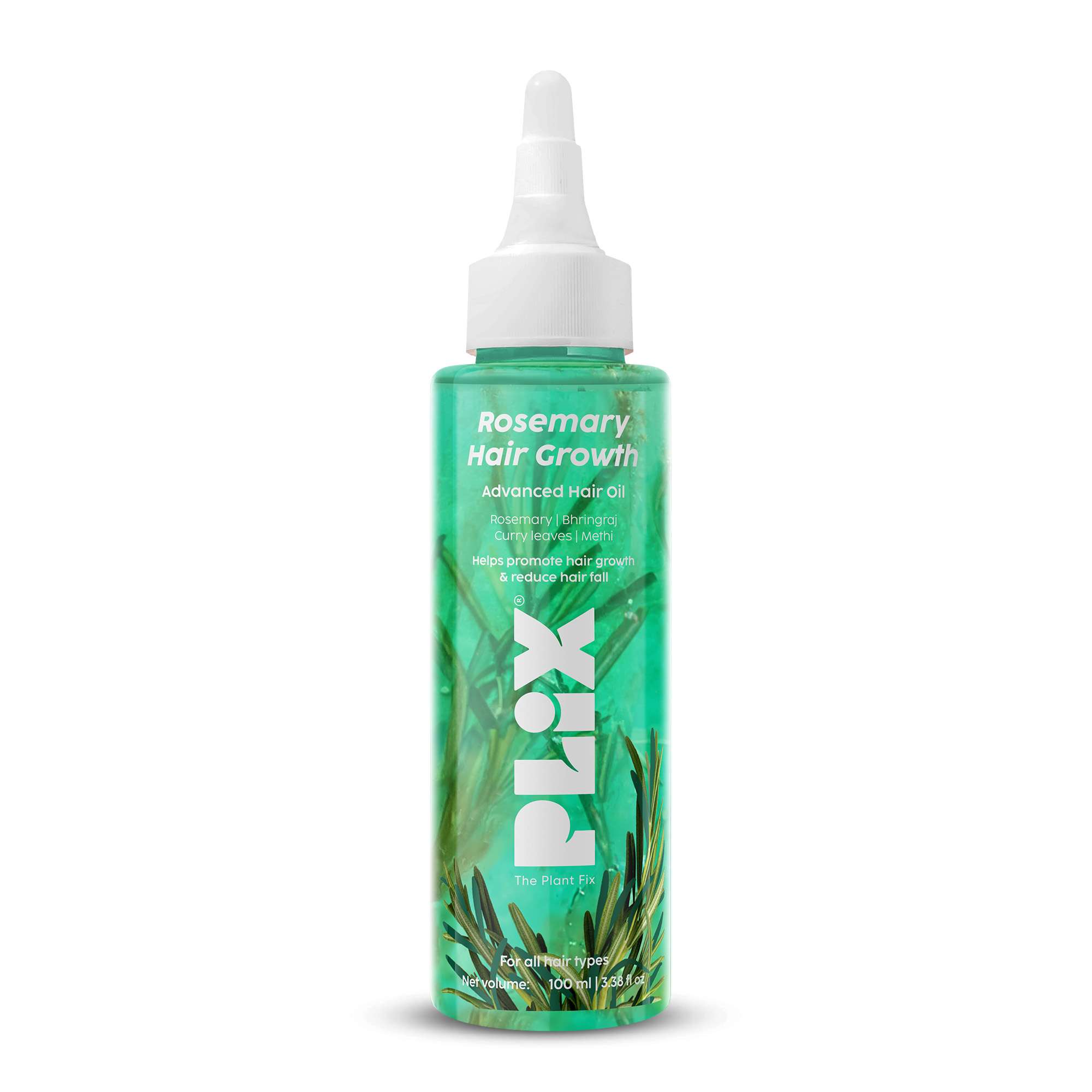
A rosemary-infused hair oil is one of the simplest ways to deliver rosemary oil directly to your scalp. Apply a small amount, massage in circular motions for 5 to 10 minutes, and leave on for at least 30 minutes before washing. For deeper conditioning, leave the oil on overnight. Aim for 1 to 2 applications per week.
Through a Rosemary Shampoo and Conditioner
Switching to a rosemary anti-hairfall shampoo and conditioner adds rosemary to your daily wash routine without extra steps. A shampoo with rosemary extract cleanses while stimulating the scalp, and a rosemary conditioner helps strengthen hair from mid-length to tips.
With a Targeted Hair Growth Serum
For concentrated support, a hair growth serum with rosemary can be applied directly to areas of thinning. Serums formulated with Redensyl, AnaGain, and rosemary oil target follicles at the root level. Apply a few drops to a clean, dry scalp before bed and let the serum absorb overnight.
How Long Does Rosemary Oil Take to Show Results?
Patience is key when using rosemary oil for hair fall. Most studies show that visible improvements in hair count and density begin around the six-month mark with consistent use. Some people may notice reduced shedding within three months, but significant changes require sustained effort.
A general timeline:
- Weeks 1 to 4: Scalp feels healthier, reduced dryness
- Months 2 to 3: Noticeable reduction in daily shedding
- Months 4 to 6: Visible increase in density and new growth
Consistency matters more than quantity. Using rosemary oil products two to three times a week as part of your hair care routine is more effective than occasional heavy application.
Building a Complete Rosemary Hair Care Routine
Combining multiple rosemary-based products creates a layered approach that addresses hair fall at every step.
- Pre-wash: Apply a rosemary hair oil, massage for 5 to 10 minutes, and leave on for 30 minutes or overnight.
- Wash: Use a rosemary anti-hairfall shampoo to gently cleanse the scalp.
- Condition: Follow with a rosemary conditioner from mid-length to tips for moisture and strength.
- Treat: Apply a rosemary hair growth serum to a clean, dry scalp before bed.
A complete rosemary anti-hairfall kit that includes an oil, shampoo, conditioner, and serum simplifies this routine.
Your Hair Deserves a Fresh Start
Reducing hair fall does not require complicated routines or harsh ingredients. Rosemary oil offers a science-backed, plant-based path to stronger, healthier hair. Start with one product, stay consistent, and watch the difference.
Take care, have fun!
FAQs
Can rosemary oil stop hair fall completely?
Rosemary oil can help reduce hair fall and support new growth, but results vary depending on the cause. For hormonal or genetic hair fall, rosemary oil works best as part of a broader Hair Care routine.
How often should I apply rosemary oil to my scalp?
Applying rosemary oil 2 to 3 times per week works well for most people. A rosemary hair growth oil should be left on for at least 30 minutes before washing. Rosemary shampoos and conditioners can be used with every wash.
Can I use rosemary oil with other hair treatments?
Yes, rosemary oil pairs well with biotin, amino acids, plant keratin, and shea butter. Combining a rosemary serum with a rosemary shampoo and conditioner creates a comprehensive routine.
Is rosemary oil safe for sensitive scalps?
Rosemary oil is generally gentle, especially in dermatologically tested, sulfate-free, and paraben-free formulations. Always perform a patch test before first use.
When will I see results from using rosemary oil?
Most users notice reduced shedding within 2 to 3 months. Visible improvements in density and new growth typically appear around the 6-month mark with consistent use.
Does rosemary oil work for all types of hair loss?
Rosemary oil is most effective for androgenetic alopecia and general thinning caused by poor scalp health. For hair loss related to medical conditions or medication side effects, consult a healthcare provider.