How Apple Cider Vinegar Can Boost Your Energy Levels


Low energy and afternoon fatigue affect millions of people every day. While caffeine and sugary drinks offer a quick fix, they often lead to energy crashes. Apple cider vinegar (ACV) is a natural, plant-based option that can help support steady energy levels by stabilizing blood sugar, supporting digestion, and promoting a healthy metabolism.
Why Does Apple Cider Vinegar Help with Energy?
Apple cider vinegar is made by fermenting crushed apples with yeast and bacteria. The fermentation process produces acetic acid, the primary active compound responsible for most of ACV’s health benefits. Research suggests that acetic acid can improve how your body processes food and regulates blood sugar.
Energy production depends on how efficiently nutrients from food are absorbed and converted into fuel. When digestion is sluggish or blood sugar levels spike and crash, you feel tired and drained. ACV supports energy, not like a stimulant, but by helping your body maintain balance.
How Acetic Acid Supports Energy Production
Acetic acid enhances the breakdown of food in the stomach, allowing your body to extract more nutrients from each meal. Better nutrient absorption means more efficient energy production at the cellular level. Acetic acid also supports the body’s ability to use insulin effectively, keeping blood sugar levels stable and preventing energy dips after meals.
How Apple Cider Vinegar Stabilizes Blood Sugar for Steady Energy
Blood sugar fluctuations are one of the most common causes of low energy. After eating a meal high in refined carbohydrates, blood glucose spikes rapidly and then crashes, triggering fatigue, brain fog, and cravings.
Apple cider vinegar can help prevent these spikes and crashes. A 2025 meta-analysis of randomized controlled trials published in Frontiers in Nutrition found that ACV consumption significantly reduced fasting blood sugar by an average of 21.9 mg/dL in patients with type 2 diabetes. Stable blood sugar benefits everyone who wants consistent energy. If you’re also looking to cut out sugary beverages that cause these spikes, this comparison of ACV vs. sugary drinks is worth a read.
What Stable Blood Sugar Means for Your Day
- Fewer afternoon energy crashes after lunch
- Reduced sugar cravings between meals
- More consistent focus and alertness
- Less reliance on caffeine or sugary snacks for a quick boost
Can Apple Cider Vinegar Improve Digestion and Reduce Fatigue?
Poor digestion is a hidden cause of low energy. When food sits in the stomach too long or nutrients are not absorbed properly, the body struggles to produce energy. Bloating, gas, and heaviness after meals are common signs that digestion needs support. For a complete breakdown of how ACV works on your gut, this guide on boosting digestion with apple cider vinegar is well worth reading alongside this one.
ACV contains acetic acid and beneficial bacteria (known as “the mother”) that promote a healthy gut environment. The acetic acid stimulates digestive enzymes, which help break down food faster and improve nutrient absorption.
ACV and Gut Health
Raw, unfiltered apple cider vinegar with “the mother” contains strands of proteins, enzymes, and friendly bacteria. Research on the gut-brain connection shows that balanced gut bacteria can influence mood, alertness, and overall vitality. Supporting gut health with a plant-based apple cider vinegar supplement is one practical step toward better digestion and less post-meal fatigue.
Apple Cider Vinegar and Metabolism: How ACV Supports Fat-to-Energy Conversion
A sluggish metabolism can leave you feeling tired even when you have eaten enough. ACV supports metabolism by helping the body break down stored fat more efficiently, converting it into usable energy.
Combining ACV with L-Carnitine, an amino acid that transports fatty acids into the mitochondria for energy production, can amplify this process. A plant-based fat-to-energy effervescent that pairs L-Carnitine with apple cider vinegar and vitamins B6 and B12 offers convenient, comprehensive metabolic support.
Best Ways to Use Apple Cider Vinegar for Energy
Knowing how to take ACV correctly makes a significant difference in results.
Dosage and Timing
- Start with 1 teaspoon of ACV diluted in a large glass of water (at least 200 ml)
- Gradually increase to 1 to 2 tablespoons per day as your body adjusts
- Drink ACV 15 to 30 minutes before meals for the best blood sugar and digestion benefits
- Avoid consuming ACV undiluted, as the acidity can erode tooth enamel and irritate the throat
Convenient Alternatives to Liquid ACV
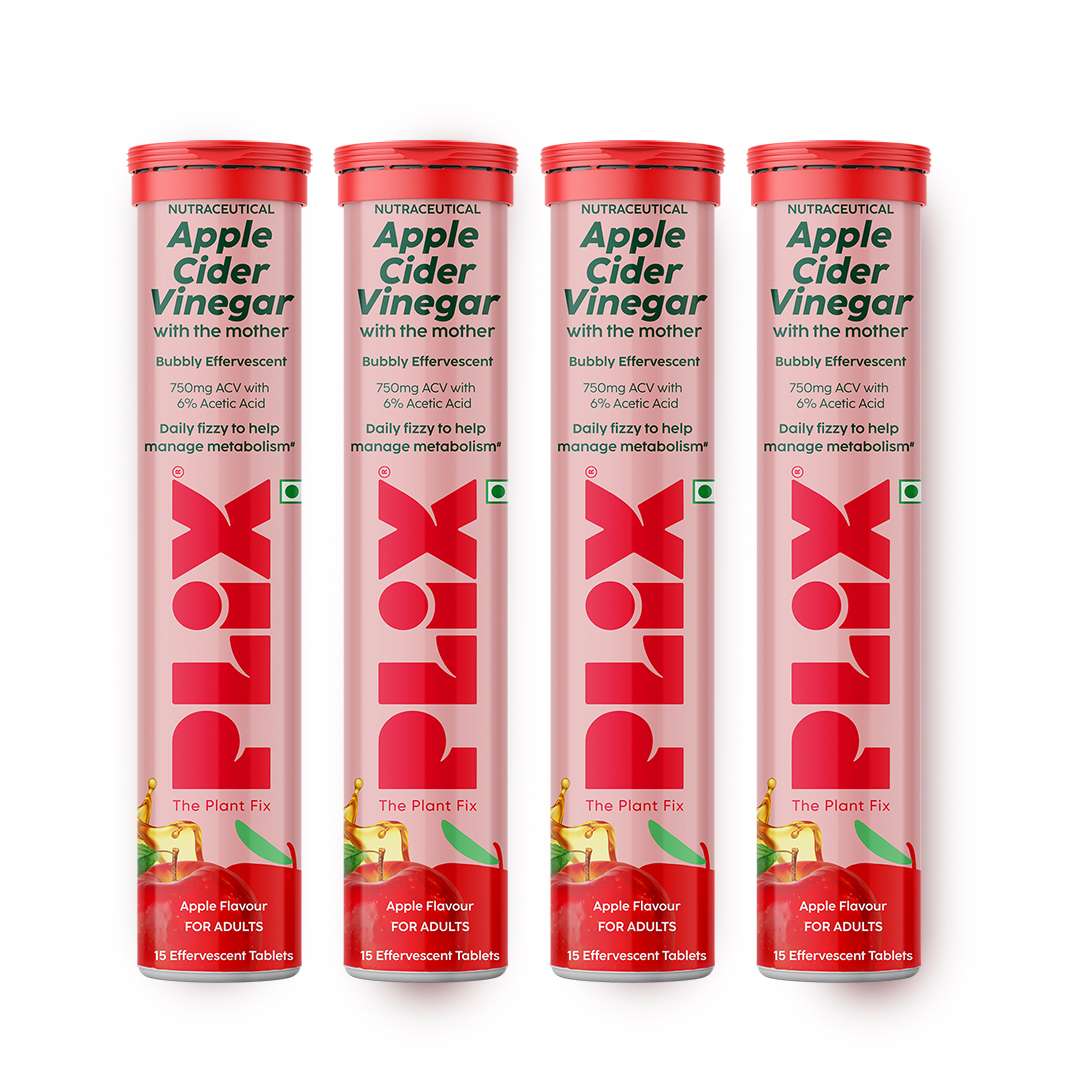
Liquid apple cider vinegar has a strong, sour taste that many people find unpleasant. Effervescent ACV tablets offer the same benefits in a more enjoyable format. For practical tips on timing and habit-building, these five simple ways to incorporate ACV tablets into your daily routine are a helpful guide. Drop one tablet in a glass of water, let it fizz, and drink. Effervescent tablets also deliver a precise dose of acetic acid per serving, removing the guesswork of measuring liquid ACV.
Pairing ACV with a Balanced Routine
Apple cider vinegar works best as part of a broader wellness routine:
- Stay hydrated and eat balanced meals rich in fiber and healthy fats
- Incorporate regular physical activity and prioritize quality sleep
- Consider a daily wellness supplement to fill nutritional gaps
What to Look for in an Apple Cider Vinegar Supplement
Not all ACV products are equal. Choose a supplement that contains raw, unfiltered ACV with “the mother,” provides a standardized amount of acetic acid, and includes complementary ingredients like pomegranate extract or B vitamins. Certifications like Clean Label Project Certified, vegan, and non-GMO are strong quality indicators.
A plant-based ACV effervescent with 700mg of apple cider vinegar, pomegranate extract, and monk fruit extract checks all these boxes.
Fuel Your Day with Plant-Based Energy Support
Apple cider vinegar is not a magic solution, but when combined with healthy habits, ACV can meaningfully support your energy, digestion, and metabolism. Whether you prefer liquid ACV or a fizzy apple cider vinegar effervescent tablet before lunch, making ACV part of your routine is a simple step toward feeling more energized. Take care, have fun!
Frequently Asked Questions
Does apple cider vinegar give you energy directly?
Apple cider vinegar does not provide energy the way caffeine or sugar does. ACV supports energy indirectly by stabilizing blood sugar levels, improving digestion, and enhancing nutrient absorption.
When is the best time to drink apple cider vinegar for energy?
Drinking ACV 15 to 30 minutes before your largest meal of the day is most effective. Pre-meal consumption supports blood sugar regulation and digestion, which can prevent post-meal fatigue.
Can apple cider vinegar help with afternoon energy slumps?
Yes. Afternoon fatigue is often caused by blood sugar crashes after lunch. ACV helps stabilize blood sugar levels, reducing the severity of mid-afternoon energy dips.
How much apple cider vinegar should I take daily for energy?
A standard daily dose is 1 to 2 tablespoons (15 to 30 ml) of liquid ACV diluted in water. Start with 1 teaspoon and increase gradually. ACV effervescent tablets typically provide a pre-measured dose per serving.
Are ACV effervescent tablets as effective as liquid apple cider vinegar?
Quality effervescent tablets that deliver adequate acetic acid and include “the mother” can provide the same core benefits as liquid ACV, with added advantages of precise dosing and a more pleasant taste.
Can I combine apple cider vinegar with other supplements for better energy?
Yes. Pairing ACV with L-Carnitine, B vitamins, or other plant-based weight management supplements can enhance energy metabolism. L-Carnitine helps transport fatty acids into cells for energy production, while B vitamins support natural energy pathways.