How Stress Affects Your Skin and Hair, Natural Ways to Fix It

Ever noticed your skin breaking out before a big presentation? Or did you find more hair in your brush during a stressful week? You’re not imagining it. Stress doesn’t just mess with your mind it shows up on your face and scalp too.
When you’re stressed, your body releases cortisol, the infamous stress hormone. A little cortisol is normal, but when levels stay elevated for weeks or months, your skin and hair pay the price. The good news? Understanding what’s happening is half the battle, and there are simple, natural ways to help your body bounce back.
Let’s break down what stress does to your appearance and how you can fight back naturally.
The Stress-Skin Connection: What’s Really Happening
When stress hits, your body goes into survival mode. Cortisol floods your system, and while that might help you meet a deadline, it also triggers a chain reaction in your skin.
Here’s what happens:
Research published in the International Journal of Molecular Sciences confirms that psychological stress significantly impairs skin barrier function, making your skin more vulnerable to irritation, dehydration, and infection.
High cortisol tells your oil glands to work overtime. More oil means clogged pores, and clogged pores mean breakouts, especially around your chin and jawline. At the same time, stress weakens your skin’s protective barrier, the shield that keeps moisture in and irritants out. Without this barrier working properly, your skin becomes dehydrated, sensitive, and prone to redness.
Chronic stress also triggers inflammation throughout your body. This shows up as angry red patches, eczema flare-ups, or psoriasis outbreaks. Your skin’s natural repair process slows down, too, leaving you with a dull, tired complexion that no amount of concealer can hide.
Why Your Hair Is Falling Out (And What Stress Has to Do With It)
Your hair grows in cycles: a growth phase, a rest phase, and a shedding phase. Normally, about 85-90% of your hair is growing at any given time. But stress disrupts this balance.
A study in Dermatology Practical & Conceptual found that acute and chronic stress can trigger telogen effluvium, a condition where hair follicles prematurely enter the shedding phase, leading to noticeable hair loss.
When you experience significant stress, physical or emotional, your body pushes more hair follicles into the shedding phase early. This condition, called telogen effluvium, usually shows up 2-3 months after the stressful event. You might notice clumps of hair in the shower or on your pillow.
Stress also restricts blood flow to your scalp. Less blood means less oxygen and fewer nutrients reaching your hair follicles. Over time, your hair becomes weak, brittle, and breaks easily. Some people even develop stress-related conditions like alopecia areata (patchy hair loss) or find themselves compulsively pulling at their hair.
Natural Ways to Restore Balance
The truth is, you can’t eliminate stress. But you can support your body through it. Here are science-backed, natural strategies that actually work.
1. Sleep as Your Skin Depends on It (Because It Does)
Your body repairs itself while you sleep. During deep sleep, growth hormones surge, helping skin cells regenerate and hair follicles recover. Aim for 7-8 hours of quality sleep. Poor sleep keeps cortisol levels elevated and prolongs your stress response.
2. Hydrate From the Inside Out
Water isn’t just good for you, it’s essential for healthy skin and hair. Proper hydration supports your skin’s moisture barrier and helps flush out toxins that contribute to inflammation. It also improves nutrient delivery to your scalp. Drink at least 8 glasses daily, and consider adding electrolytes if you’re very active.
3. Feed Your Skin and Hair the Right Nutrients
What you eat directly impacts how you look. Focus on whole foods rich in:
- Omega-3 fatty acids (walnuts, flaxseeds, chia seeds) to reduce inflammation
- Vitamin C (citrus fruits, bell peppers) for collagen production and antioxidant protection
- Biotin and B vitamins (eggs, nuts, leafy greens) to strengthen hair
- Zinc and selenium (pumpkin seeds, sunflower seeds) for scalp health
- Antioxidants (berries, green tea) to fight free radical damage
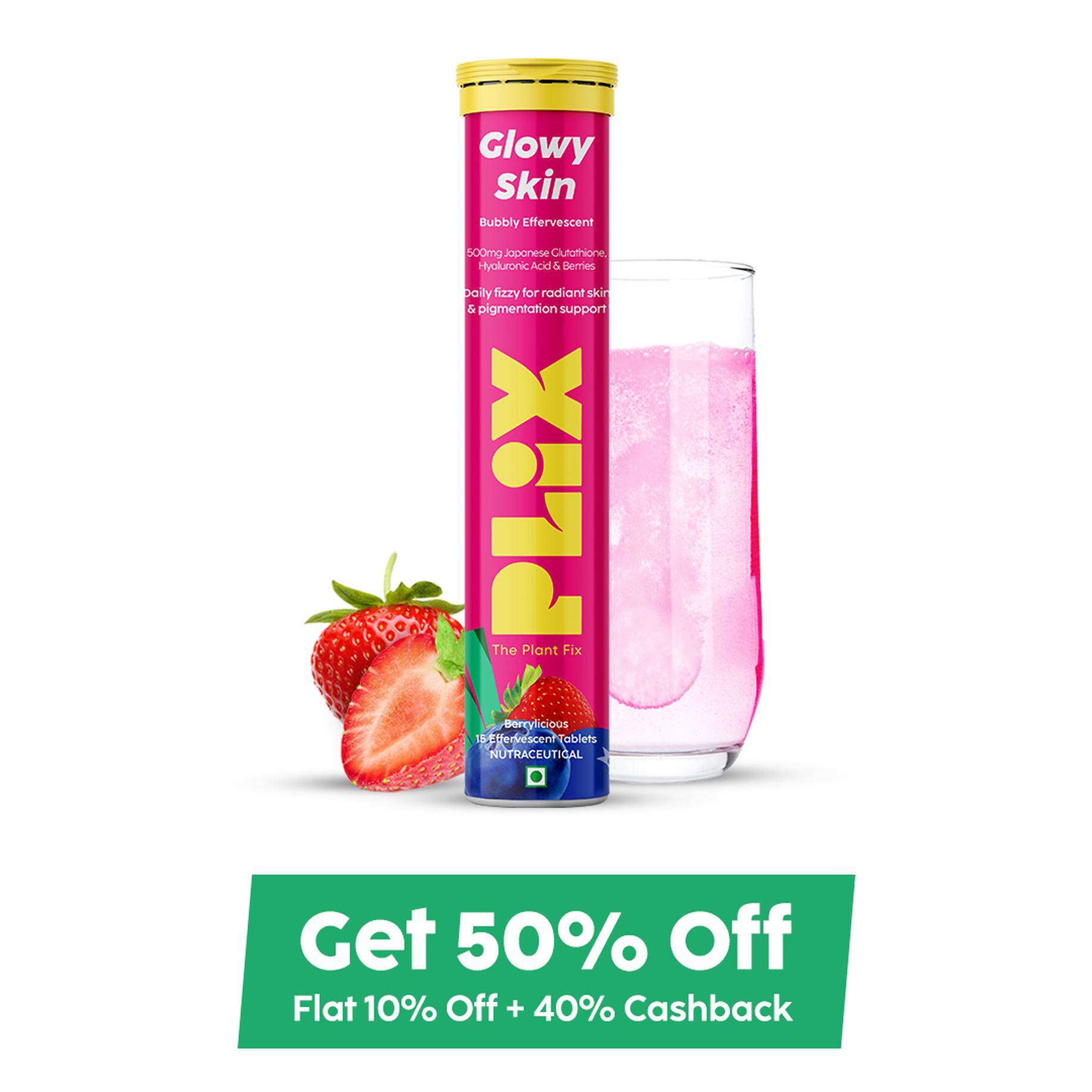
If your diet falls short, a targeted supplement can help. Plix Skin and Hair Supplement combines vitamin C, biotin, collagen peptides, and plant-based extracts in one gentle, daily formula designed to nourish from within.
4. Move Your Body, Calm Your Mind
Exercise reduces cortisol and releases endorphins, your body’s natural stress relievers. You don’t need intense workouts; even 20 minutes of yoga, walking, or stretching helps. Pair movement with mindfulness practices like meditation or deep breathing. Just 10 minutes a day can lower stress hormones and improve your mood.
5. Choose Gentle, Nourishing Skincare and Haircare
When stress has already done its damage, harsh products make things worse. Choose formulas that are:
- Suitable for all skin types
- Free from sulfates, parabens, and synthetic fragrances
- Lightweight and non-greasy
- Gentle enough for daily use
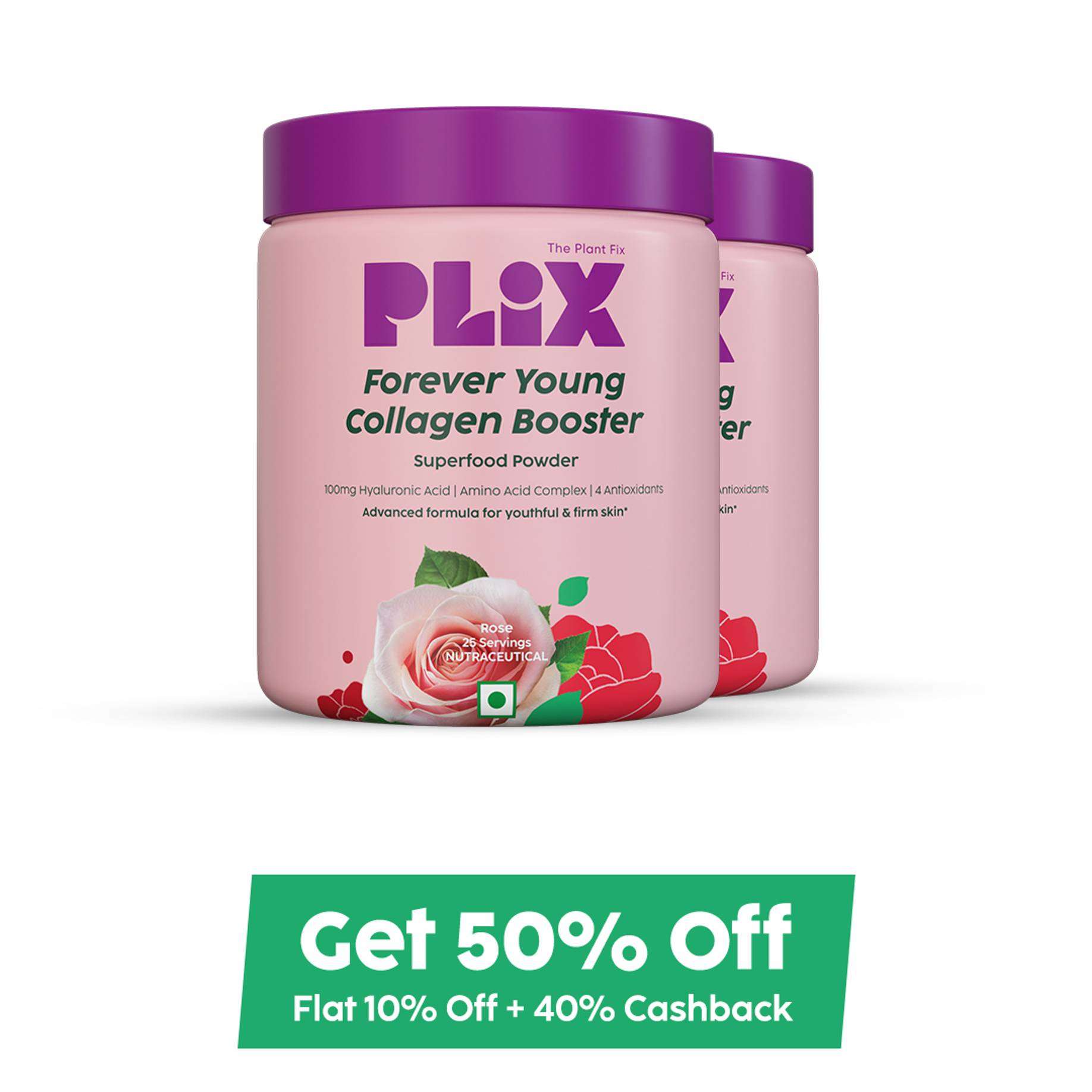
Look for ingredients like hyaluronic acid, niacinamide, ceramides for skin, and biotin, keratin, and natural oils for hair. Plix’s range of hair and skin care products offers gentle solutions that help revive dull, tired-looking skin and strengthen weak hair strands without irritation.
6. Limit Cortisol Triggers
Too much caffeine increases cortisol levels, while excess sugar causes inflammation and insulin spikes, both worsen skin issues. Swap your third coffee for herbal tea and choose fruit over candy when cravings hit.
Who Needs to Pay Attention?
Anyone can benefit from stress management, but you should especially focus on it if you’re experiencing:
- Sudden or persistent breakouts
- Dry, flaky, or irritated skin
- Noticeable hair thinning or excessive shedding
- Dull, lifeless complexion
- Scalp irritation or dandruff
- Weak, brittle hair
If you’re juggling work, family responsibilities, exams, or major life changes, your body needs extra support during these times to prevent long-term damage.
Your Journey to Healthier Skin and Hair Starts Here
Stress isn’t just in your head; it’s written all over your skin and hair. High cortisol disrupts oil production, weakens your protective barriers, and pushes hair into early shedding. But you have more control than you think.
Small, consistent habits make a real difference. Prioritize sleep, stay hydrated, nourish your body with whole foods, and choose gentle products that support rather than strip. Managing stress isn’t about perfection; it’s about progress.
Ready to take action? Start with one small change today. Your skin and hair will thank you tomorrow. Shop Plix Skin & Hair Supplements, they don’t just work on the outside, they work from the inside
FAQs
1. Can stress cause permanent hair loss?
No, most stress-related hair loss is temporary. Telogen effluvium typically resolves within 6-9 months once stress levels decrease. Hair regrows naturally as your body recovers.
2. How long before I see improvements in my skin after reducing stress?
With consistent healthy habits, you may notice improvements in 2-4 weeks. Deeper barrier damage can take 2-3 months to fully heal.
3. What’s the difference between stress breakouts and regular acne?
Stress breakouts are triggered by cortisol spikes and tend to appear suddenly around the chin and jawline. Both types benefit from gentle cleansing and stress management.
4. Which supplements help with stress-related skin and hair issues?
Vitamin C, biotin, collagen peptides, omega-3s, and B vitamins are most effective. A comprehensive formula like Plix Skin and Hair Supplement combines these in optimal ratios for daily support.
5. Can stress cause premature greying?
Yes, chronic stress can accelerate greying by damaging melanocyte stem cells that produce hair pigment. Managing stress may help slow this process.